



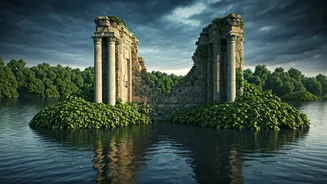



A World of Wonders Under Threat
The idea of a World Heritage Site is that it has “outstanding universal value,” a treasure belonging to all of humanity. Unfortunately, climate change is becoming one of the most significant risks to these irreplaceable locations. A staggering number
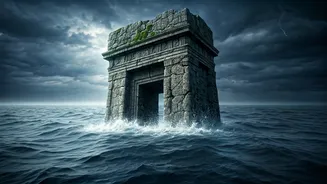
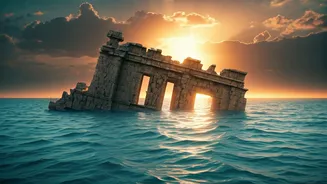
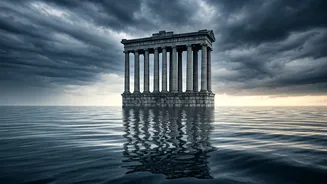
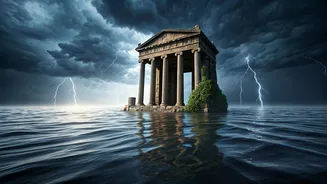
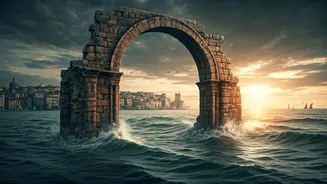
of sites are already in peril. According to one recent study, nearly 80% of UNESCO's cultural heritage sites are already experiencing stress from climate-related factors. From rising sea levels to extreme weather, the very foundations of our shared history are being eroded. The canals of Venice have faced ever-more frequent and severe flooding, threatening the art and architecture of the entire city. It’s not a distant problem for the next century; it’s a crisis happening right now, forcing us to question whether the landmarks we take for granted will exist for the next generation to visit.
From Indian Forts to Global Icons
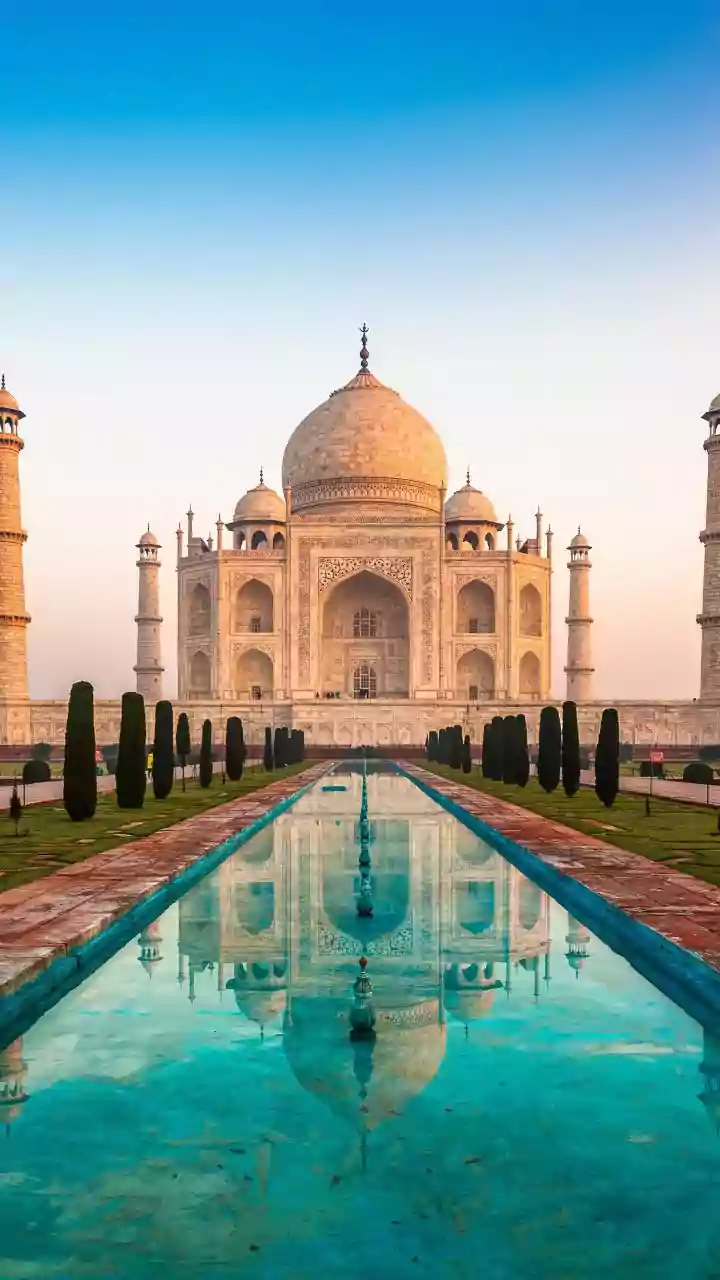
This is a global crisis with local heartbreak. In India, the effects are becoming starkly visible. The iconic Taj Mahal has reported damage from increasingly intense rainfall. In Rajasthan, a portion of the 12th-century Sonar Fort in Jaisalmer collapsed after unusually heavy rains battered the desert region. Along the coast, ancient temples in Odisha and the historic Elephanta Caves near Mumbai face dangers from cyclones and rising sea levels. This pattern repeats worldwide. The famous Moai statues of Rapa Nui (Easter Island) are at risk of being swallowed by the sea due to coastal erosion. In the Mediterranean, a vast majority of low-lying coastal heritage sites—from the Old City of Dubrovnik to the ruins of Carthage—are threatened by flooding and erosion. Natural wonders are not immune, with Australia’s Great Barrier Reef suffering from widespread coral bleaching due to warmer oceans.
The Paradox of ‘Last-Chance Tourism’
The growing awareness of these threats has fuelled a new travel trend: ‘last-chance tourism’. Also known as ‘doom tourism’, it describes the rush to visit destinations that are under threat of disappearing. People are flocking to see glaciers before they melt and coral reefs before they bleach completely. While this can raise awareness and bring economic benefits to local communities, it creates a deeply troubling paradox. The very act of traveling to these fragile destinations, often involving long-haul flights, contributes to the carbon emissions that are accelerating their decline. Tourism already accounts for a significant portion of global greenhouse gas emissions. This creates a feedback loop where our desire to witness these wonders before they are gone ironically hastens their demise, putting extra strain on ecosystems and infrastructure that are already at a breaking point.
A Race Against Time
The situation is dire, but it has sparked a global race to protect and preserve what we can. This isn't just about building higher sea walls. It involves a combination of cutting-edge science and a renewed appreciation for traditional knowledge. In India, the Archaeological Survey of India (ASI) has started installing automated weather stations at monuments to monitor environmental conditions and is applying climate-resilient preservation treatments. Globally, UNESCO is leading efforts to monitor threats, develop new policies, and share best practices for climate adaptation. For sites that cannot be saved in their physical form, some are turning to technology, creating meticulous 3D digital scans to preserve a record for future generations. While these efforts provide a glimmer of hope, experts agree that the most crucial step is tackling the root cause by drastically cutting global emissions.