





1. Ignoring Flexible Booking Options
The biggest gamble during monsoon is the weather itself. A sudden downpour can lead to cancelled flights, delayed trains, or impassable roads, leaving you with non-refundable bookings and a wrecked itinerary. The error isn't just experiencing a delay;
it's paying for hotels and transport you can't use. When booking your weekend trip, prioritise hotels, flights, and even rental cars that offer free or low-cost cancellation. It might seem slightly more expensive upfront, but this flexibility is your financial safeguard against the season's unpredictability. Paying a little extra for a flexible rate is far cheaper than losing your entire booking amount because a landslide has blocked the main highway to your destination.
2. Packing the Wrong Clothes and Gear
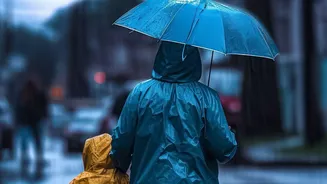
Many travellers pack for a trip, not for a monsoon trip. Your favourite pair of jeans and cotton t-shirts are among the worst items to bring. Once wet, they become heavy, take days to dry in the humid air, and can leave you feeling cold and uncomfortable. The smarter, budget-friendly choice is to invest in a few pieces of quick-drying synthetic clothing. These fabrics are lightweight and dry within hours, meaning you don’t need to pack as much. Another common mistake is relying on a simple umbrella, which is often useless against windy rain. A decent rain jacket or poncho that covers both you and your backpack is a much better investment. Finally, forgetting to waterproof your electronics with zip-lock bags or dry pouches is a simple but potentially expensive oversight.
3. Underestimating Road Conditions
The green, misty drive that looks so appealing on social media can be deceptive. Monsoon rains create hidden potholes, cause slippery conditions, and significantly increase the risk of landslides and waterlogging, especially in hilly or coastal areas. Assuming a drive will take the usual amount of time is a classic error. Always add buffer time to your travel schedule. Relying blindly on GPS can also lead you down narrow, unmaintained village roads that are the first to become impassable. Before heading out, check local weather alerts and road conditions. If you're driving, ensure your car's tyres, wipers, and headlights are in perfect condition. Hiring a local driver who understands the terrain and its monsoon risks is often a safer and more reliable option.
4. Sticking to a Rigid Itinerary
Monsoon travel demands spontaneity. Over-scheduling your weekend with a minute-by-minute plan is a recipe for disappointment and wasted money. A pre-booked, non-refundable boat tour or trek is useless if torrential rain makes it unsafe or unenjoyable. The key is to keep your plans loose. Instead of booking specific activities in advance, have a list of potential indoor and outdoor options. If the weather is bad, you can explore a local market, visit a museum, or relax in a cafe. If the sun comes out, you can head to that waterfall or viewpoint. This approach not only saves you from losing money on cancelled plans but also reduces the stress of trying to follow a strict schedule when the weather has other ideas.
5. Neglecting Basic Health Precautions
The monsoon season can bring an increase in water-borne and mosquito-borne illnesses. A travel budget can be quickly exhausted by an unexpected doctor's visit or medication costs. A common mistake is being careless about food and water hygiene. Stick to bottled or boiled water and eat at busy, reputable establishments where food turnover is high. Avoid eating raw or pre-cut foods. Furthermore, packing a basic first-aid kit is crucial. Include essentials like insect repellent, antiseptic wipes, bandages, and medication for common ailments like fever or an upset stomach. Being prepared for minor health issues helps ensure a small problem doesn't escalate into a major, budget-draining emergency.