








The Sweet Pride of Tripura
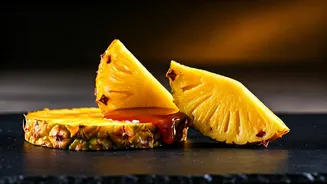
For generations, the pineapple has been a symbol of pride and prosperity in Tripura. The state's hilly terrain and ample rainfall create the perfect conditions for cultivating pineapple, particularly the renowned 'Queen' and 'Kew' varieties. The Queen pineapple, which
was declared Tripura's state fruit in 2018, is especially prized. It earned its Geographical Indication (GI) tag in 2015, a recognition of its unique quality and taste tied directly to its origin. Known for its exceptional sweetness, distinct aroma, and juicy, golden-yellow flesh, this fruit is a significant source of livelihood for thousands of farmers, many from tribal communities. However, for all its fame as a fruit, the most exciting part of its story is now unfolding—a story that involves the entire plant.
From Agricultural Waste to High Fashion
The real game-changer for Tripura's pineapple economy lies in its leaves, which are typically considered agricultural waste. These long, sturdy leaves contain strong, silky fibres known as Pineapple Leaf Fibre (PALF). This fibre, which has been used in places like the Philippines for centuries to create fine textiles, is now gaining global attention as a sustainable material. The process involves extracting the fibres from the leaves, which can then be spun into thread. This thread is being used to create everything from coarse textiles to high-fashion fabrics. The South Indian Textile Research Association (SITRA) has even commissioned a PALF extraction plant in Tripura, signalling a serious move towards commercialising this 'waste' product and adding a significant new revenue stream for farmers.
The Rise of Vegan Pineapple Leather
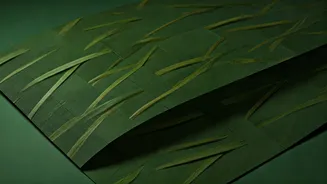
Beyond textiles, pineapple leaf waste is at the forefront of the sustainable fashion revolution in the form of vegan leather. The extracted leaf fibres are processed into a non-woven mesh, which forms the base for a durable, flexible, and leather-like material. This material, often known by the brand name Piñatex, is PETA-approved and has been adopted by major international brands like Nike and Hugo Boss for their collections. As consumers increasingly seek ethical and environmentally friendly products, pineapple leather offers a compelling alternative to both traditional animal leather and petroleum-based synthetics. For farmers, this means that the 480 leaves from about 16 pineapples needed to create one square metre of this material suddenly have immense value.
A Boost for the Local Economy
This shift from viewing the pineapple as just a fruit to a whole-of-plant resource is backed by significant government support. The 'Mission Queen Pineapple', a project worth over ₹230 crore, was recently launched to bolster the entire value chain—from farming to global markets. The mission aims to increase the area of cultivation, but more importantly, to establish crucial infrastructure like processing centres, pack-houses, and cold storage. A key part of this strategy involves setting up facilities for value-added products. The government has planned two bromelain extraction centres; bromelain is an enzyme with applications in pharmaceuticals and food processing. This comprehensive approach aims to turn Tripura's flagship fruit into a powerful engine for rural prosperity, significantly boosting farmer incomes by reducing waste and creating new markets.
Creating a Zero-Waste Cycle
The potential doesn't even end with fabric and leather. The vision for Tripura's pineapple is to create a complete circular economy where nothing is wasted. After the fruit is processed for juice or canned, the leftover peels, core, and other residues can be transformed. These by-products are being used to create vinegar, alcohol, and animal feed. Even the residual sludge from fibre extraction can be used for vermicomposting, returning nutrients to the soil. This zero-waste model not only maximizes the economic return from every single plant but also positions Tripura's pineapple industry as a benchmark for sustainable agriculture in India and beyond.