







The Automatic Breath of Brisk Walking
When you set out for a brisk walk, your breathing naturally finds a rhythm. As your pace quickens, your heart rate increases to pump more oxygen-rich blood to your muscles. Your breathing rate rises in response, an automatic process managed by your body's
respiratory center. The primary goal here is efficiency: to supply enough oxygen to fuel your aerobic activity and maintain your pace. For most walkers, the breath is a background process, an unconscious synchronisation with the steady beat of their feet on the pavement. While some conscious techniques, like pursed-lip breathing, can be applied to manage breathlessness, the focus is generally on fueling physical endurance rather than mindful control.
The Conscious Breath of Yoga
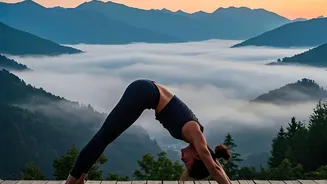
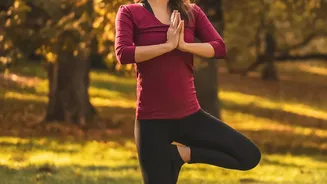
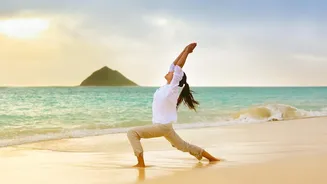
In yoga, breathing is not just automatic; it's a central feature of the practice itself. Known as pranayama, which translates from Sanskrit as the control ('yama') of life force ('prana'), yogic breathing involves a wide range of deliberate techniques. Unlike the reactive breathing of a brisk walk, pranayama is proactive. Practitioners might use techniques like Ujjayi (Victorious Breath), Nadi Shodhana (Alternate Nostril Breathing), or Bhramari (Bee Breath) to achieve specific outcomes. Here, the breath is a tool used to focus the mind, calm the nervous system, and deepen the connection between mind and body. It's about consciously manipulating the breath to influence your physiological and psychological state.
Cardiovascular Output vs. Nervous System Regulation
The different approaches to breathing reflect the distinct primary goals of each activity. Brisk walking is a form of cardiovascular exercise. The increased breathing rate is designed to maximise oxygen intake, strengthen the heart and lungs, and improve circulation. The benefit is a healthier cardiovascular system.Yoga, while it can have cardiovascular benefits in more dynamic forms, often uses slow, controlled breathing to influence the autonomic nervous system. Slow, deep breathing, especially with a long exhalation, stimulates the parasympathetic nervous system—our 'rest and digest' mode. This activation helps lower heart rate, reduce blood pressure, and decrease levels of the stress hormone cortisol, promoting a state of calm and relaxation. Studies show that yoga practitioners may exhibit more efficient parasympathetic reactivation after physical exertion compared to those who only do aerobic or resistance training.
Awareness: External vs. Internal
This difference in breathing also cultivates a different type of awareness. During a brisk walk, your attention might be directed outward—to the scenery, the sounds of your neighbourhood, a podcast, or a conversation partner. The activity is designed to clear your head and boost your mood, often by providing a stimulating distraction.In contrast, pranayama in yoga intentionally draws your awareness inward. The breath becomes a meditative anchor, a focal point to quiet the constant chatter of the mind. By concentrating on the sensation of air entering and leaving the nostrils or the rise and fall of the abdomen, you train your focus and cultivate mindfulness. This inward journey is key to yoga's renowned stress-reducing and mind-clearing effects.
Which is Better for You?
Neither approach is inherently superior; they simply serve different purposes. If your goal is to boost your cardiovascular fitness, burn calories, and strengthen your heart, the automatic, performance-driven breathing of brisk walking is highly effective. It's an excellent way to meet the recommended 150 minutes of moderate-intensity exercise per week.If your primary aim is to reduce stress, improve mental focus, and increase your body's resilience to anxiety, the conscious, regulated breathing of yoga is an invaluable tool. The practice offers a unique way to actively calm your nervous system and build a stronger mind-body connection. Many find that combining both practices in their weekly routine provides a balanced approach to physical and mental wellness.