




The Simple Science of Light
Think of light as food for your plants. Through a process called photosynthesis, plants use energy from sunlight to convert water and carbon dioxide into sugars, which fuel their growth. Chlorophyll, the pigment that makes leaves green, is the tiny solar
panel in each leaf that captures this light. When a plant doesn't get enough light, it's like trying to run on an empty stomach. Photosynthesis slows down, meaning the plant produces less energy. This energy deficit forces the plant to conserve resources, resulting in slower, weaker growth. So, when you see a plant struggling in a dim corner, it's essentially starving for light.
How to Spot a Light-Deprived Plant
Plants are great communicators; you just need to know their language. A common sign of light deficiency is 'etiolation', a fancy term for when a plant becomes pale and spindly. You might notice long, weak stems with large gaps between the leaves, as the plant physically stretches toward the nearest window or light source. Another tell-tale sign is the leaves. New leaves may come in much smaller than older ones, or they might be a pale green or even yellow colour. For variegated plants with beautiful patterns, you might see them reverting to solid green as the plant tries to produce more chlorophyll to maximize absorption from what little light it gets. A lack of flowering in a plant that should be blooming is also a clear cry for more light.
Easy Fixes to Brighten Things Up
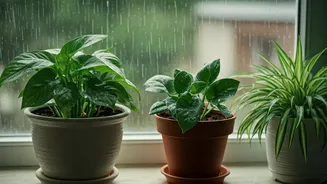
The good news is that solving low-light issues is often straightforward. The most obvious solution is to move your plant to a brighter location. A spot nearer a window can make a world of difference. However, be mindful that direct, harsh afternoon sun can scorch some plants, so bright, indirect light is often the sweet spot. Simple housekeeping helps, too. Wipe dust off your plant's leaves with a soft, damp cloth. A clean leaf can absorb light much more efficiently. Also, clean your windows to let in as much natural light as possible. Finally, remember to rotate your plant every week or so. This ensures all sides get their share of light, preventing a lopsided plant that leans heavily in one direction.
When Natural Light Isn't an Option
Sometimes, your home just doesn't have enough natural light, especially in apartments, north-facing rooms, or during monsoon season. In these cases, artificial light can be a game-changer. You don't need a complex, professional setup. A simple LED grow light can provide the full spectrum of light that plants need to photosynthesise properly. These are available as standalone lamps or as bulbs that can fit into your existing light fixtures, making it an easy and aesthetic solution. Placing a grow light above or near your plants for a few hours a day can supplement natural light and prevent the symptoms of light deprivation, keeping them healthy and vibrant even in the darkest corners.
Choose the Right Plant for Your Space
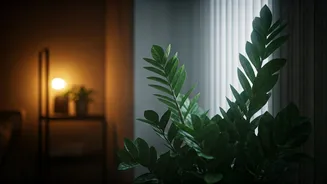
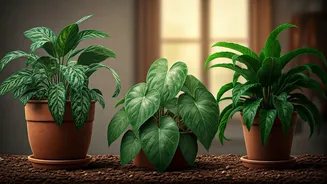
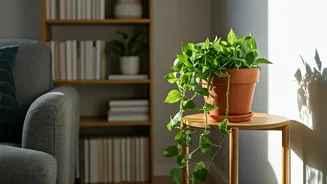
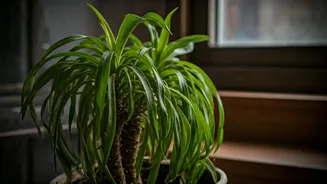
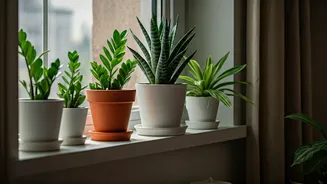
Of course, the easiest path to success is to choose plants that are naturally adapted to lower light conditions. Many popular houseplants originally grew on the floor of dense tropical rainforests, where they received only filtered light. Plants like the Snake Plant (Dracaena trifasciata), ZZ Plant (Zamioculcas zamiifolia), Pothos (Epipremnum aureum), and the Cast Iron Plant (Aspidistra elatior) are famously resilient and tolerant of shade. These varieties are perfect for beginners or for those spots in your home that are far from a window. While even these plants need some light to survive, they are far more forgiving than their sun-loving counterparts.