




The Global Situation and India's Stake
International crude oil prices have been volatile, with benchmarks like Brent crude hovering well above $90 per barrel as of late August 2026. Geopolitical tensions, particularly disruptions around key shipping routes like the Strait of Hormuz, and fluctuating
global supply have kept prices elevated. This matters immensely to India because the country imports over 85% of its crude oil requirements. When international prices rise, the cost for India to purchase this essential commodity goes up, creating a ripple effect across the entire economy.
From Crude Barrels to Petrol Pumps
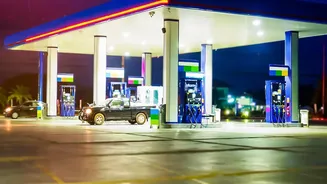
The most direct impact for consumers is felt at the petrol pump. When the cost of imported crude oil rises, oil marketing companies (OMCs) in India face higher procurement costs. These costs, combined with central and state taxes, freight charges, and the exchange rate between the rupee and the US dollar, determine the final retail price of petrol and diesel. Even if OMCs absorb some of the initial shock, sustained high crude prices inevitably lead to higher fuel prices for consumers, making every road trip and daily commute more expensive. As of August 21, 2026, fuel prices across major cities like Delhi, Mumbai, and Bengaluru have remained a key concern for motorists.
Why Your Flight Tickets Get Costlier
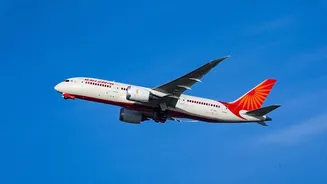
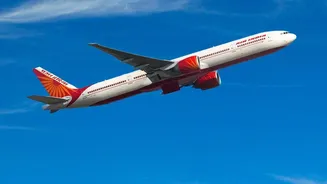
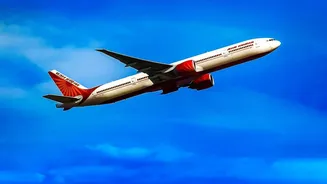
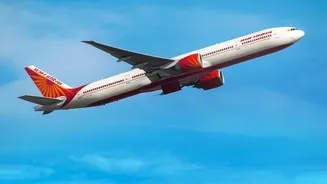
The airline industry is extremely sensitive to fuel prices. Aviation Turbine Fuel (ATF), or jet fuel, can account for 40-50% of an airline's operating costs. A sharp rise in crude prices directly inflates the cost of ATF. In recent months, Indian OMCs have adjusted ATF prices in response to global trends, and airlines often have little choice but to pass these increased costs on to passengers. This can come in the form of higher base fares or increased fuel surcharges. Some airlines may even reduce the number of flights on less profitable routes to manage expenses, further impacting travel options.
Smart Ways to Manage Higher Travel Costs
While you can't control global oil markets, you can adopt smarter strategies to soften the blow to your travel budget. For air travel, booking flights well in advance can help you lock in lower fares before potential price hikes. For road trips, the focus is on fuel efficiency. Simple habits like maintaining a steady speed, ensuring correct tyre pressure, and removing unnecessary weight from your vehicle can improve mileage. Consider carpooling or travelling in a group to split fuel costs. For longer distances, comparing the cost of driving with train travel might reveal a more economical option. Planning your route to avoid traffic and combining several errands into a single trip can also lead to significant savings.