






The Invisible Factories of the Digital Age
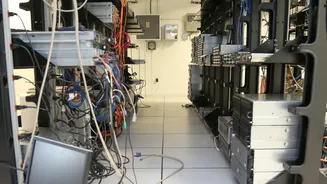
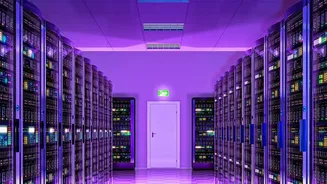
Data centres are the physical heart of the internet. They are secure, purpose-built facilities filled with thousands of computer servers, storage systems, and networking gear that process, store, and distribute the data behind our digital lives. From
banking transactions to social media feeds, everything online runs through these centres. In recent years, investment in them has exploded. According to the IEA, global investment in data centres has nearly doubled since 2022. This rapid expansion is a direct result of the world’s insatiable appetite for digital services.
Our Voracious Appetite for Data
The most significant drivers of this growth are activities that have become central to modern life. Video streaming platforms require vast server capacity to deliver high-definition content to millions of users simultaneously. Likewise, cloud storage services, where we keep our ever-growing libraries of photos, documents, and backups, rely on enormous data farms. The convenience of having our digital world available on any device comes at the cost of constant, energy-intensive data processing and storage happening in a server rack, often thousands of kilometres away. This consistent demand from consumers and businesses forms the baseline for data centre expansion.
AI: The New Power-Hungry Tenant
If streaming and cloud storage built the house, artificial intelligence is the new tenant demanding a complete rewiring. The IEA has identified AI as the single most important driver of future data centre growth. Training and running AI models, especially complex generative AI like ChatGPT, is computationally far more intensive than a simple web search or streaming a song. According to the IEA, electricity consumption by AI-focused data centres surged by 50% in 2025 alone. As AI is integrated into more products and services, this demand is expected to climb exponentially, putting unprecedented strain on both digital infrastructure and the power grids that support it.
The Sobering Energy Forecast
The IEA's latest reports paint a stark picture of the energy implications. Global electricity consumption from data centres, which stood at around 1.5% of the world's total in 2024, is projected to more than double to approximately 1,000 terawatt-hours (TWh) by 2030. To put that in perspective, 1,000 TWh is more than the current total annual electricity consumption of countries like Japan or Germany. The IEA warns that this rapid expansion is expected to cause a 70% rise in carbon emissions from data centres by 2030, as demand outpaces the construction of renewable energy sources in key markets like the US and China.
The Race for Sustainable Growth
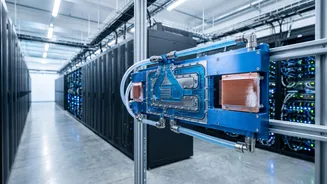
The industry is not blind to this challenge. Major tech companies are among the world's largest corporate buyers of renewable energy. The IEA notes that renewables are expected to meet nearly half of the growth in data centre electricity demand through 2030. However, the sheer speed of the AI boom means this often isn't enough. In the US and China, fossil fuels like natural gas and coal are projected to fill the gap. This has created a two-front race: one to build data centres faster to meet AI demand, and another to innovate in energy efficiency and clean power generation to prevent this digital revolution from derailing climate goals. The IEA highlights that grids, equipment supply chains, and regulatory approvals are now becoming major bottlenecks for growth.