





The Investment You Can Control
Creating a repeatable wardrobe—a curated collection of items you can wear often and in multiple ways—is a smart move. It saves time, money, and reduces decision fatigue. But the true success of this approach isn't just in the initial selection; it's in the maintenance.
Proper fabric care is not a chore; it's the strategic practice of preserving your investment. When you take care of your clothes, you extend their life significantly, ensuring the pieces you carefully chose continue to look sharp, fit well, and serve their purpose for years, not just a few seasons. This commitment to longevity is a powerful step against the fast fashion cycle, reducing waste and making your style truly sustainable.
First, Decode the Labels
Those small tags with cryptic symbols inside your clothes are your best defence against laundry disasters. Ignoring them is one of the most common mistakes that can lead to irreversible damage like shrinking or stretching. While they might seem confusing, they are a simple guide. The washtub symbol tells you about the right water temperature and cycle. A triangle governs bleach use, a square with a circle is for tumble drying, and an iron symbol indicates heat settings. Taking 30 seconds to check these instructions before washing can mean the difference between a beloved garment and a new cleaning rag.
The Art of the Sort
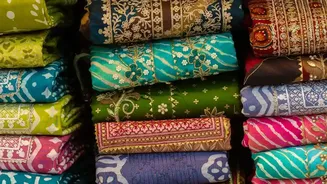
Tossing everything into the machine together is a recipe for faded colours and damaged fabrics. A proper sort is the first rule of effective laundry. Go beyond just separating lights from darks. Group items by fabric weight and type as well. Heavy items like jeans and towels can be abrasive to delicate fabrics in the wash. Delicates, such as silk or lace, should always be washed separately, preferably in a mesh bag for extra protection. For Indian wardrobes, this is especially crucial for handwoven cottons, silks, and items with embroidery, which require a gentler approach to maintain their integrity.
Mastering the Wash Cycle
Using the same heavy-duty cycle for every load is a common error that wears clothes out prematurely. Modern washing machines offer a range of cycles for a reason. Use a gentle or delicate cycle for lightweight items, synthetics like polyester, and anything prone to stretching. The normal cycle is for durable fabrics like cotton. Also, reconsider your reliance on hot water. Cold water is usually sufficient for most loads, is gentler on fibres, prevents colours from fading, and saves energy. Using too much detergent is another frequent mistake; it can leave a residue that dulls fabric and attracts more dirt. Follow the recommended amount for a cleaner, fresher result.
Drying, Storing and Beyond
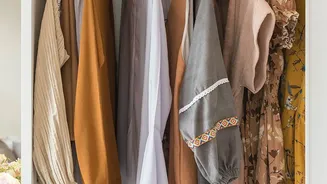
The washing machine is only half the battle; the dryer can be just as damaging. High heat is the enemy of most fabrics, causing shrinking, fibre damage, and loss of elasticity in materials like spandex. Whenever possible, opt to air dry your clothes away from direct sunlight, which can fade colours. If you must use a dryer, choose a low heat setting and remove clothes while they are still slightly damp. Proper storage is also key. Fold heavy knitwear to prevent it from stretching out on hangers. Use good quality hangers that support the shape of your shirts and jackets. Caring for your clothes doesn't end when the laundry is done; it's a continuous process.