


The Fasting Philosophy: What is Falahari Food?
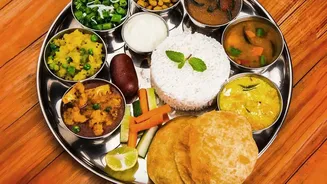
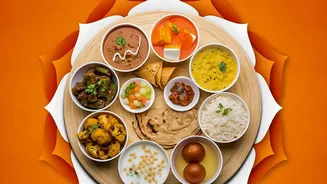
At the heart of Sawan cuisine is the concept of 'falahar' or 'vrat ka khana', a diet observed during fasting periods. This diet traditionally excludes grains like wheat and rice, lentils, onions, garlic, and common table salt. Instead, it features a specific
set of ingredients considered pure or 'sattvic'. These include fruits, milk and dairy products, and certain vegetables like potatoes and pumpkin. Flours made from buckwheat (kuttu), water chestnut (singhara), and amaranth (rajgira) are used, along with barnyard millet (samak rice) and tapioca pearls (sabudana). Seasoning is done with sendha namak, or rock salt, which is considered pure and unprocessed. This way of eating is designed to be light on the digestive system while providing sustained energy for days of spiritual observance.
Ghevar: Rajasthan's Monsoon Masterpiece
In North India, particularly Rajasthan, the arrival of Sawan is synonymous with ghevar. This disc-shaped, honeycomb-like sweet is a seasonal delicacy. Its preparation is an art form, requiring the right humidity that the monsoon provides to achieve its signature crispy-yet-soft texture. Made from a batter of flour and ghee, it is deep-fried and then soaked in sugar syrup. Ghevar is deeply connected to festivals like Teej and Raksha Bandhan, which fall during Sawan. It's a traditional gift from parents to their married daughters, symbolising love, blessings, and the sweetness of family bonds during this festive, rainy season.
Sabudana Khichdi: Maharashtra’s Fasting Staple
Travel west to Maharashtra, and you'll find sabudana khichdi reigns supreme on fasting days. Made with soaked tapioca pearls (sabudana), this dish is light, filling, and provides a quick energy boost. The fluffy, non-sticky pearls are tossed with roasted peanuts, boiled potatoes, cumin seeds, and green chillies. While it's now popular across India, its roots in Maharashtrian fasting cuisine are strong. Sabudana is favoured for vrats because it is a pure starch and free of the grains that are traditionally avoided, making it a perfect example of a delicious and compliant fasting meal.
Kuttu ki Puri: The Pride of North India
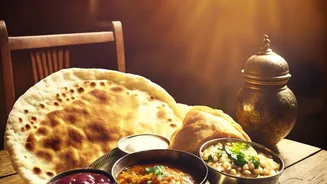
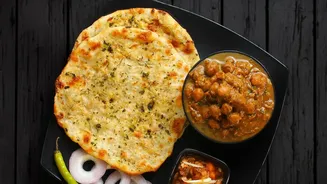
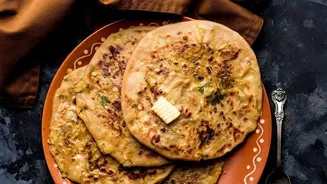
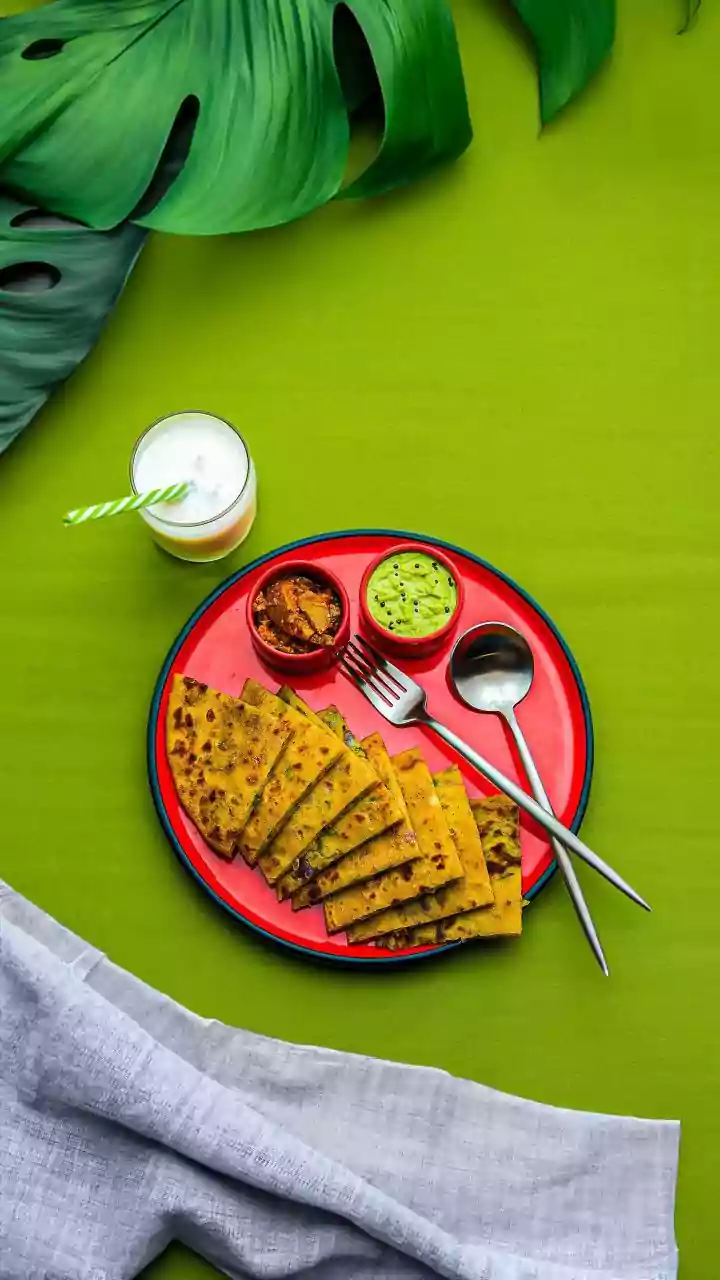
In states like Uttar Pradesh and Punjab, no Sawan fast is complete without dishes made from kuttu ka atta (buckwheat flour). Kuttu ki Puri is a staple, offering a hearty and satisfying meal. The dark-coloured, gluten-free flour is typically mixed with mashed potatoes and seasonings, then rolled into small discs and deep-fried. These puris have a unique, slightly nutty flavour and a crisp texture. They are most often served with a simple potato curry (vrat wale aloo) seasoned with rock salt and cumin, creating a classic combination that provides both comfort and nourishment.
Malpua: The Sweet Pancake of the East
In eastern India, especially Bihar and parts of Uttar Pradesh, malpua is a beloved sweet often prepared during Sawan. These are essentially small, sweet pancakes made from a batter of flour, milk, and sometimes mashed banana or khoya (milk solids). After being deep-fried in ghee, the golden-brown discs are soaked in a fragrant sugar syrup flavoured with cardamom or saffron. While enjoyed on many festive occasions, malpua holds a special place during the monsoon, often prepared as a celebratory treat to be shared with family.
Makhana Kheer: Bihar's Divine Dessert
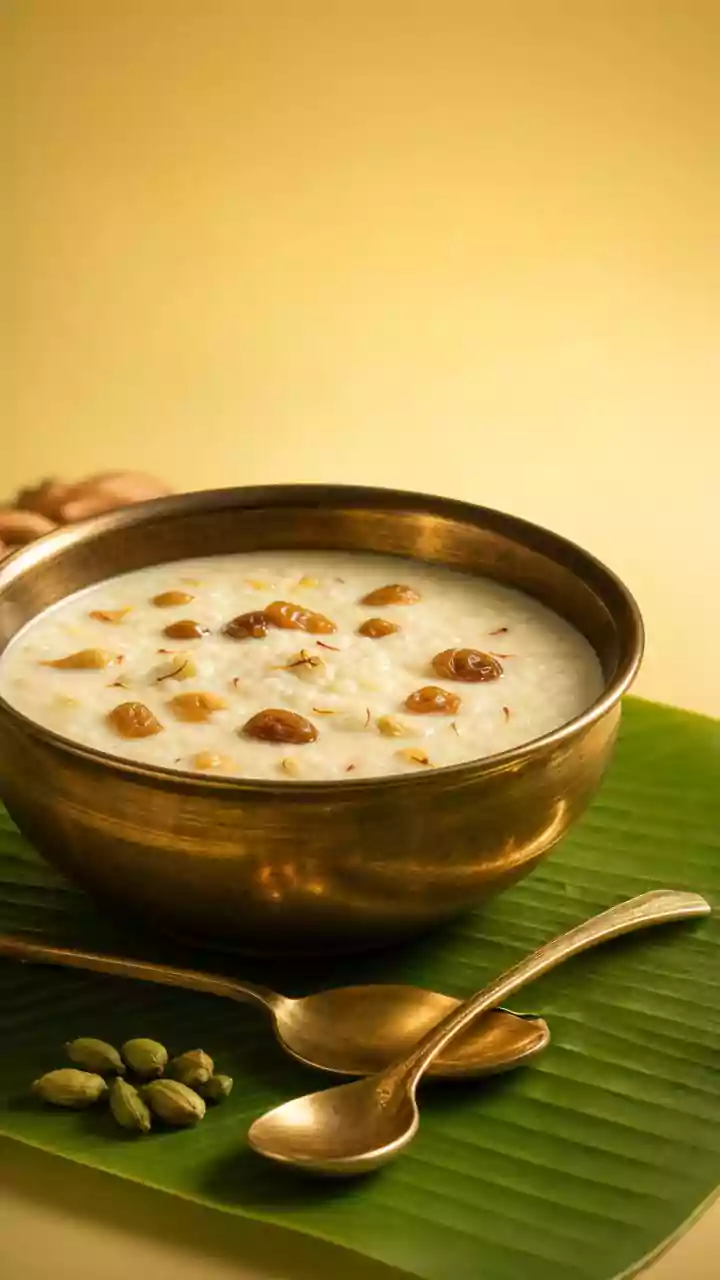
Makhana, or fox nuts, are closely associated with the region of Bihar and are a popular falahari ingredient. During Sawan, they are transformed into a creamy and divine kheer. The fox nuts are lightly roasted in ghee to make them crisp, then simmered in milk until it thickens. Sweetened with sugar and scented with cardamom and saffron, this kheer is a light yet rich dessert. It is nutritious, providing calcium and energy, making it an ideal dish to conclude a day of fasting with a touch of comforting sweetness.