





Beyond Complicated Rules
The modern wellness industry thrives on complexity. It sells you expensive powders, exotic berries, and restrictive diet plans that often feel like a full-time job. We are told to count macros, track calories, and eliminate entire food groups. The result?
Confusion, guilt, and burnout. Going "back to basics" means rejecting this noise. It's an invitation to step off the diet rollercoaster and embrace a simpler, more intuitive approach. Health is not about deprivation or perfection; it's about nourishment and consistency. This shift in mindset is the first and most crucial step towards a sustainable, healthy relationship with food.
Champion the Whole Food
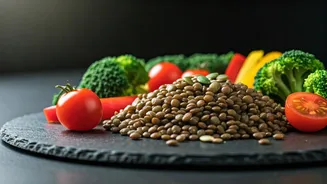
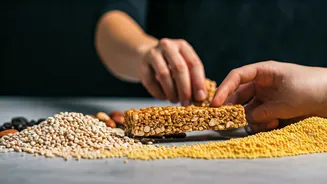
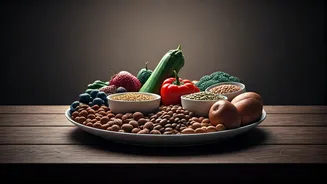
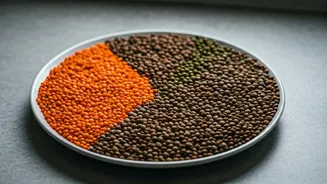
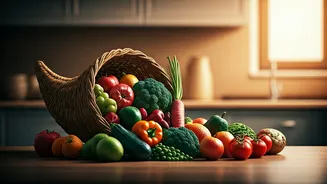
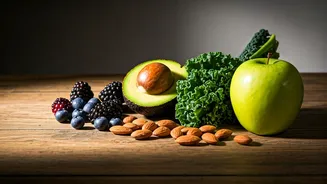
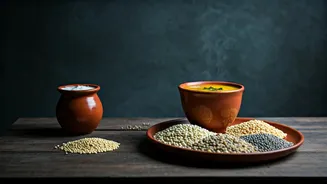
What does "back to basics" look like on your plate? It starts with whole foods—foods that are as close to their natural state as possible. Think fresh vegetables from the local market, seasonal fruits, hearty dals and legumes, and whole grains like millets, brown rice, or whole wheat atta. These are the foods that generations before us thrived on. They are packed with fibre, vitamins, and minerals, without the added sugars, unhealthy fats, and chemical additives found in processed and packaged items. Instead of reaching for a protein bar with a long list of unpronounceable ingredients, have a handful of nuts. Instead of a packaged juice, eat a whole orange. It’s that simple.
Listen to Your Grandmother
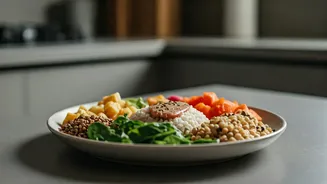
Our grandmothers and great-grandmothers were nutrition experts without any certifications. Their wisdom was rooted in tradition, season, and common sense. The Indian thali is a perfect example of this genius—a balanced plate offering carbohydrates (roti/rice), protein (dal/curd), vitamins and minerals (sabzi), and healthy fats (ghee). They taught us to eat seasonally, enjoying mangoes in summer and leafy greens in winter, ensuring we get a diverse range of nutrients throughout the year. They also understood the power of spices like turmeric, ginger, and cumin, not just for flavour but for their digestive and anti-inflammatory properties. This ancestral knowledge is our most valuable, and often forgotten, guide to eating well.
The Power of the Home Kitchen
One of the biggest shifts in modern eating habits is the move away from the home kitchen towards ready-to-eat meals, takeaways, and restaurant food. While convenient, this often comes at a cost to our health. When you cook at home, you control everything—the quality of ingredients, the amount of oil, salt, and sugar. Reclaiming your kitchen is a powerful act of self-care. It doesn't have to mean elaborate, time-consuming meals. Simple, home-cooked food like dal-chawal, khichdi, or a vegetable stir-fry is incredibly nourishing. Start small. Aim to cook one more meal at home each week than you currently do. You'll not only eat healthier but also reconnect with the food you eat.
Eat with Awareness
In our fast-paced lives, we often eat while distracted—scrolling on our phones, watching TV, or working at our desks. This mindless eating leads to overeating and poor digestion because we miss our body's natural hunger and fullness cues. The basic principle of mindful eating is to simply pay attention. Take a moment to look at your food, smell the aromas, and chew slowly. Notice the flavours and textures. This simple practice can dramatically improve your digestion, increase your satisfaction from smaller portions, and transform your relationship with food from one of haste to one of gratitude and enjoyment.