



The Reality of the Urban Morning Rush
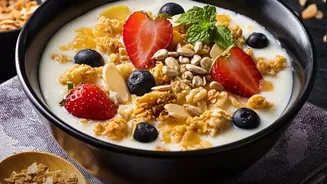
In cities across India, the day starts early and moves fast. The commute looms, deadlines are already on your mind, and finding time for a proper meal feels like a luxury. It’s no wonder that convenience often wins the breakfast battle. Packaged cereals,
toast with jam, and other quick-fix options have become the default. While they save a few minutes, they often lack the nutritional balance to sustain you through a demanding morning, leading to mid-morning energy slumps and a craving for unhealthy snacks. Many simply forgo the meal altogether, a habit that numerous studies have linked to a host of negative health outcomes. This trade-off between time and health is a defining challenge of modern urban living.
More Than Just Comfort and Nostalgia
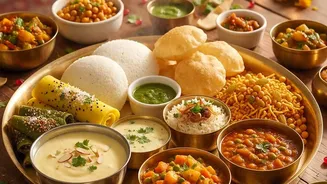
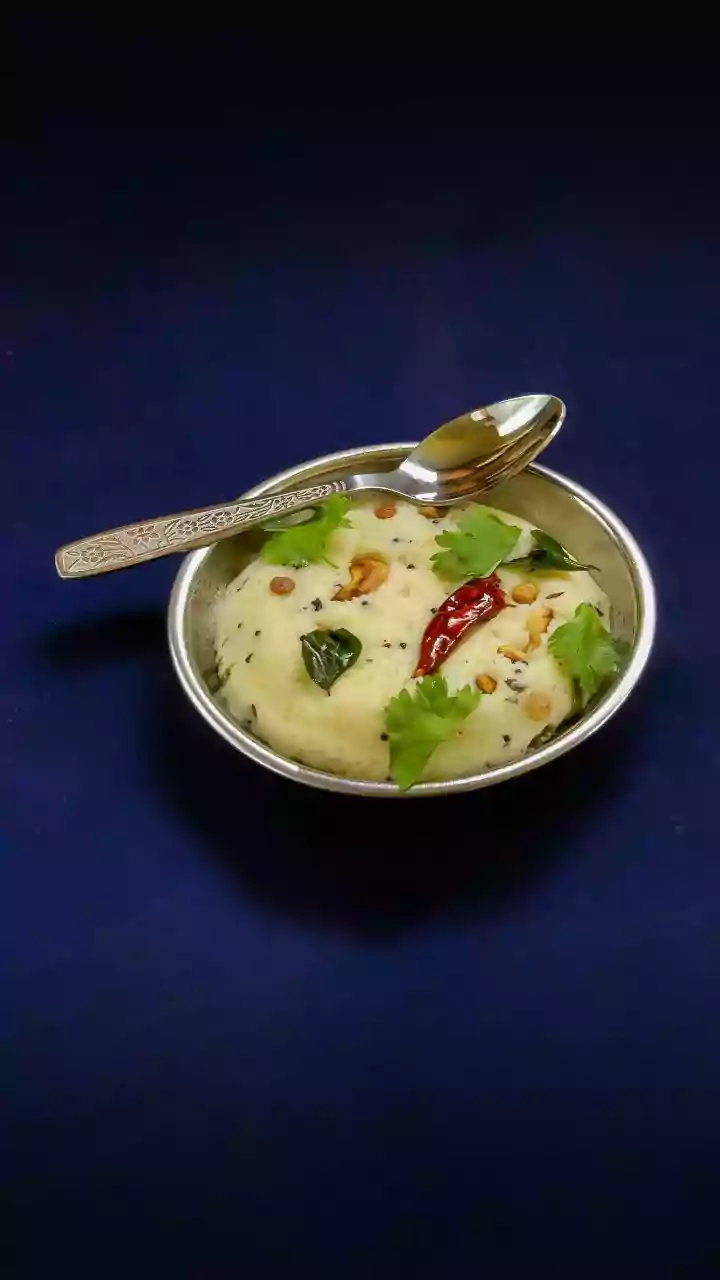
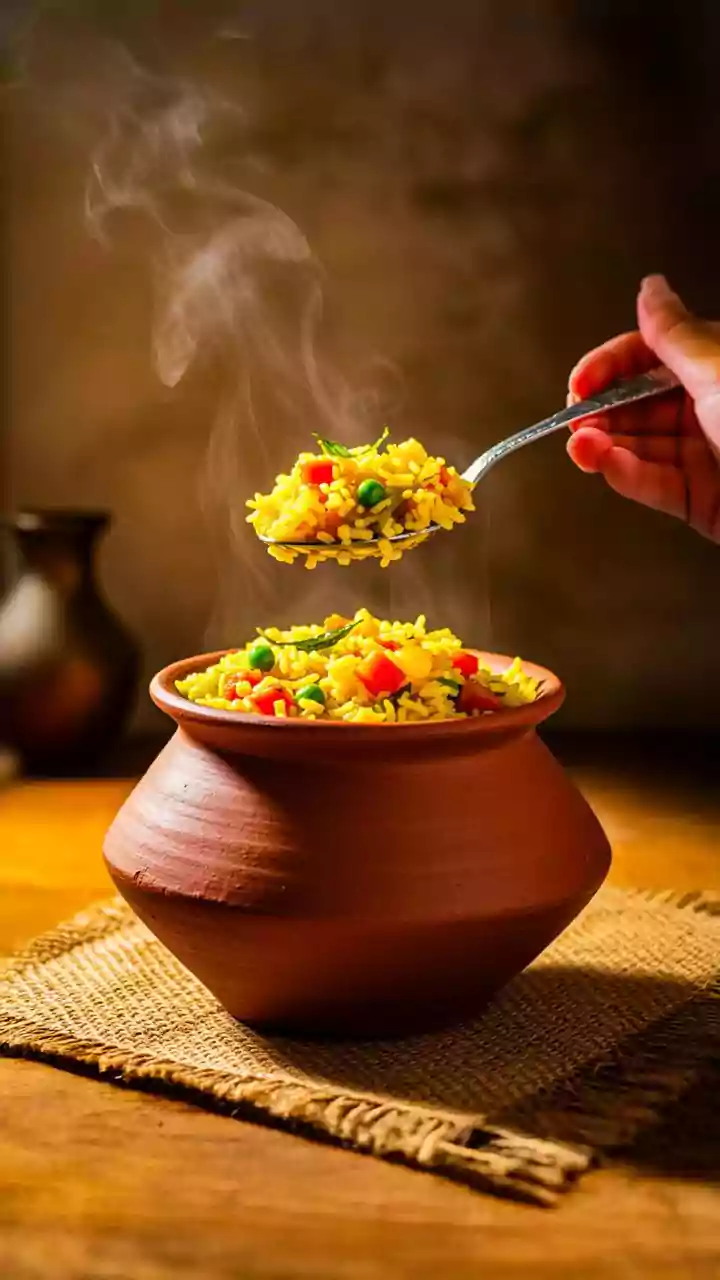
The breakfasts our parents and grandparents ate were not just about tradition; they were designed for sustained energy. A simple bowl of poha, for instance, offers a fantastic combination of healthy carbohydrates from flattened rice, fibre from vegetables, and a protein boost if you add peanuts. Upma, made from semolina, is light on the stomach yet filling. South Indian staples like idli and dosa, made from fermented batter, are rich in probiotics, easy to digest, and offer a good mix of carbs and protein. When you compare this to a bowl of processed cereal, which is often high in sugar and low in fibre, the nutritional winner is clear. Traditional breakfasts provide complex carbohydrates, essential proteins, and healthy fats from an array of whole ingredients, keeping you fuller and more focused for longer.
Faster Than You Think
The biggest argument against traditional breakfasts is that they take too long to prepare. This is a common misconception. While elaborate weekend brunches can be a lengthy affair, many daily breakfast dishes are incredibly quick. A plate of flavourful poha or a comforting bowl of upma can be prepared from scratch in under 20 minutes—often faster than waiting for a delivery app or toasting multiple slices of bread. Vermicelli upma is another 15-minute wonder. The key is to distinguish between everyday recipes and festive ones. By focusing on the simpler, quicker options that are part of daily cuisine across the country, you can enjoy a fresh, hot meal without sacrificing your precious morning minutes.
Work Smarter, Not Harder in the Kitchen
For those who want to incorporate dishes like idli, dosa, or parathas into their weekday routine, a little weekend planning is a game-changer. Dedicate just one hour on a Sunday to meal prep. You can roast a large batch of semolina for instant upma throughout the week. Chop and store common vegetables like onions, carrots, and beans in airtight containers. Prepare and refrigerate idli or dosa batter, which stays fresh for several days. For parathas, you can prepare the dough and the filling (like spiced potatoes or lentils) ahead of time. This 'grab and cook' approach drastically cuts down your morning cooking time, transforming a 45-minute process into a manageable 15-minute task.
A Practical Morning Menu
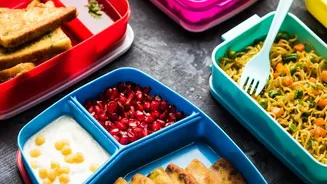
Let's make this practical. If you have only 15 minutes, kanda poha or a quick masala oats is your best friend. With ingredients prepped, you can have a hot, nutritious meal ready in the time it takes to brew your tea. If you have a slightly more relaxed 25-minute window, you can easily steam some idlis using your pre-made batter and serve them with a ready-made chutney or podi. Have half an hour? You can whip up a few parathas using your prepped dough and filling. The idea is to match the meal to the time you have available, ensuring that a home-cooked breakfast is always within reach, no matter how hectic your morning looks.