





What is Housing Premiumisation?
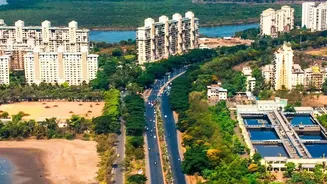
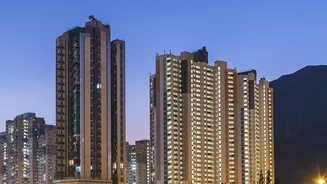
In simple terms, premiumisation is the real estate market's structural shift towards building and selling more expensive homes. Instead of focusing on affordable or mid-income housing, developers are pouring resources into projects with larger apartments,
high-end amenities, and prime locations. Recent data shows a stark change: in the first quarter of 2026, homes priced below ₹1.5 crore made up just 47% of new launches in India's top cities, a significant drop from 85% in 2022. Meanwhile, properties priced above ₹1.5 crore, including luxury homes exceeding ₹4 crore, now constitute a much larger share of new supply. This isn't just about a few ultra-luxury towers; it's a widespread trend where the definition of a 'standard' new home is moving steadily up the price ladder.
Why Are Developers Looking Upmarket?
The reasons behind this shift are primarily economic. Rising costs for land, construction materials, and regulatory compliance have squeezed the profit margins on affordable housing projects, making them less financially attractive for developers. In contrast, premium and luxury homes offer much healthier returns, sometimes as high as 25-30% compared to just 10-12% for budget-friendly projects. Demand in the high-end segment has also proven to be more resilient. Affluent domestic buyers and Non-Resident Indians (NRIs), who are less affected by interest rate hikes and inflation, continue to invest in high-quality properties. This steady demand encourages developers to cater to this reliable and profitable market segment, leading to a boom in launches of amenity-rich, well-located premium projects.
The Squeeze on Budget-Friendly Housing
For homebuyers with smaller budgets, the consequences of premiumisation are direct and challenging. The most obvious impact is a shrinking supply of new affordable homes. In the first quarter of 2026, the affordable segment (defined as below ₹40 lakh) accounted for a mere 10% of new launches. This scarcity of new stock drives up prices for existing budget-friendly homes and increases competition among buyers. The supply-to-demand ratio for affordable housing has plummeted, meaning far fewer homes are being built than are needed. As a result, many aspiring homeowners are forced to compromise, either by moving to peripheral locations with poor connectivity and infrastructure or by stretching their finances to enter a market that is increasingly priced beyond their reach.
Strategies for Navigating a Top-Heavy Market
While the market is tough, it's not impossible for budget-conscious buyers. The key is to be strategic and flexible. Firstly, consider the resale market, where you might find older, more affordable properties in established locations. Secondly, explore emerging real estate corridors. Government investment in infrastructure like new highways and metro lines is opening up new micro-markets in suburban and Tier-2/3 cities that offer lower property prices with improving connectivity. Thirdly, thorough financial planning is non-negotiable. Before you begin your search, get a clear picture of your budget, including additional costs like stamp duty and registration, and secure pre-approval for a home loan to understand your true affordability. Finally, investigate government initiatives like the Pradhan Mantri Awas Yojana (PMAY), which may offer interest subsidies to eligible first-time buyers.