



The End of the Itinerary
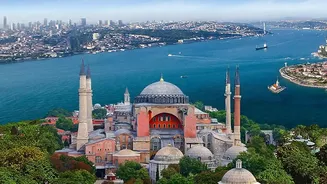
For years, the hallmark of a 'successful' trip was how much you could cram in. See the Eiffel Tower, the Colosseum, and the Tower of London in one week? Mission accomplished. But for a growing number of young travellers, this approach is losing its appeal.
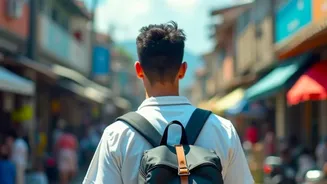
They are instead embracing 'slow travel'—a mindset that prioritises depth over breadth. This means staying in one place longer, foregoing a strict schedule, and allowing for spontaneous discoveries. Recent reports show a significant move away from crowded cities toward restorative, personal experiences in rural areas and small towns. Rather than checking off landmarks, this style of travel is about absorbing the rhythm of a place, whether it’s through a long meal at a local cafe or an unplanned afternoon spent wandering quiet streets. It’s a rebellion against the idea that you need to return from a holiday more exhausted than when you left.
A Conscious Rejection of Burnout
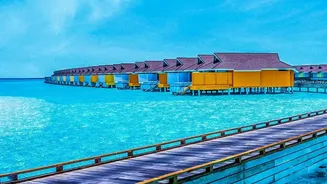
This shift is deeply connected to a broader cultural conversation around mental health and burnout. In an 'always-on' world, many young people find that traditional, high-stimulation holidays no longer feel restorative. The concept of a 'burnout break' is gaining traction—a trip designed specifically for genuine recovery and nervous system reset. Experts note that many people are in a constant state of 'fight or flight' and don't even realize they're burnt out until they stop. Slowing down, lowering expectations, and allowing for unstructured time are seen as essential for true recovery. For many, travel is now a form of self-care, with mental relaxation being a top priority. This 'deceleration travel' is an intentional choice to step away from the productivity pressure that defines so much of modern life and simply listen to what their minds and bodies need.
The Quest for Authentic Connection
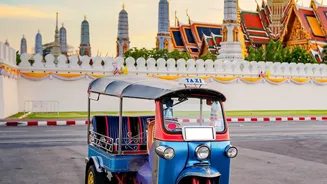
The move toward slower travel is also a search for authenticity. There's a growing fatigue with 'Instagrammable' tourism, where destinations become little more than a backdrop for a photo. Younger travellers are increasingly seeking 'hidden gems' and places that are 'off their feeds'. Instead of visiting famous landmarks, Gen Z and Millennials are showing more interest in discovering new places and having real experiences. This involves connecting with local communities, supporting small businesses, and understanding a culture from the inside rather than observing it from a tour bus. The goal is to return home with more than just photos—it's to return with new perspectives, meaningful memories, and a genuine sense of connection to the places they've been.
Sustainability and Smarter Choices
Environmental and social concerns are also steering young people towards a slower travel model. Staying in one destination for longer reduces a traveller's carbon footprint compared to a multi-city trip involving several flights. Furthermore, this approach often directs tourist money more effectively into local economies, away from multinational chains and toward independent businesses. A recent study found that a majority of Gen Z travellers consider their environmental impact more now than they did a few years ago. They are increasingly willing to travel off-peak or choose less crowded alternatives to reduce pressure on popular destinations. This conscious mindset sees travel not just as a personal pleasure, but as an activity with real-world consequences, prompting a more thoughtful and responsible approach.