



A New Space Race Begins
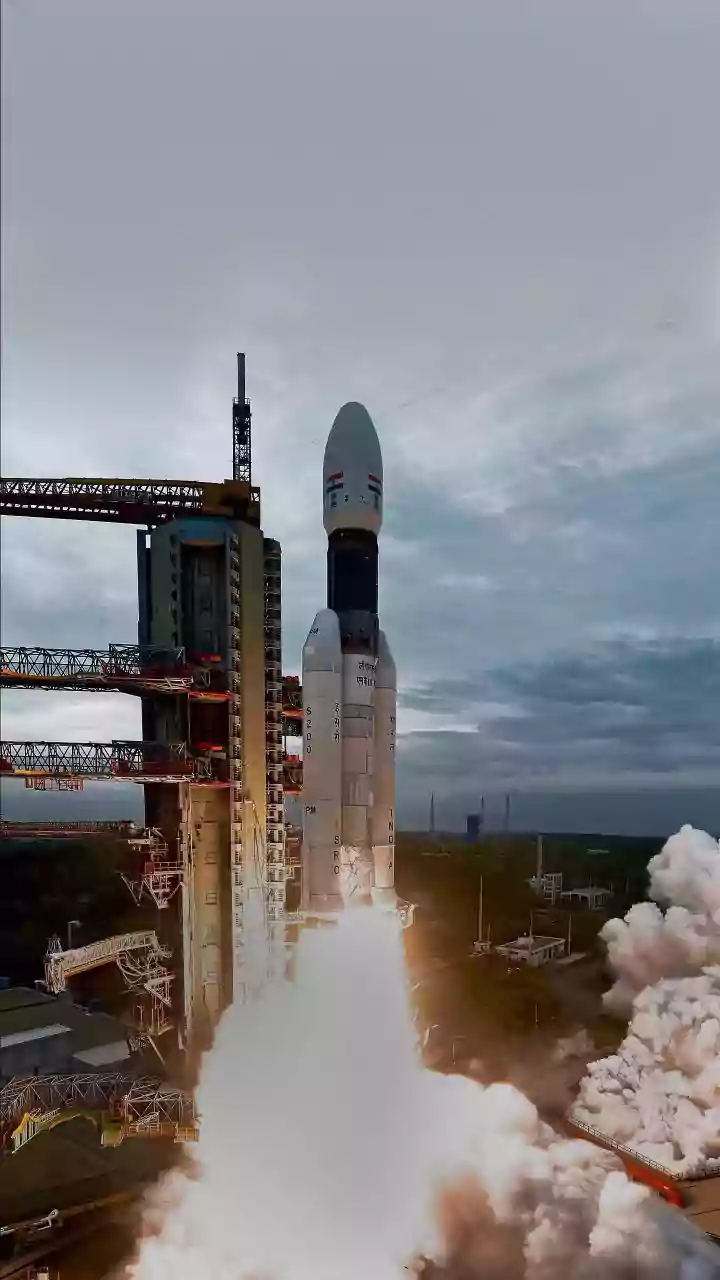
For decades, a career in space in India largely meant one thing: working for the Indian Space Research Organisation (ISRO). But a seismic shift is underway. Following landmark policy reforms in 2020, the government has officially opened the sector to private
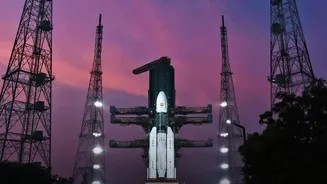
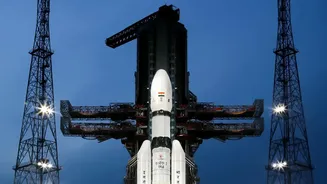
companies, sparking a startup revolution and an ambitious target to capture a larger share of the global space market. The goal is to grow the national space economy to as much as $45 billion by the end of the decade. This isn't about replacing ISRO, which will continue to focus on advanced research and strategic missions. Instead, it's about building a larger ecosystem where private companies handle routine manufacturing and commercial services, creating a surge in demand for skilled professionals. The establishment of IN-SPACe (Indian National Space Promotion and Authorisation Center) acts as a bridge, enabling private firms to use ISRO's facilities and expertise, fueling this new era of growth.
The Rise of Private Players
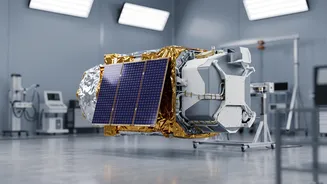
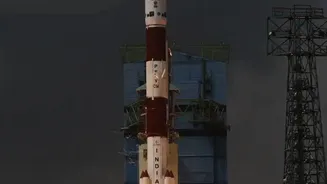
The number of space startups in India has soared from just one in 2014 to over 400 in 2026. Companies like Skyroot Aerospace, Agnikul Cosmos, and Pixxel are now leading the charge. Skyroot made history as the first private Indian company to launch a rocket into orbit, while Agnikul is known for its 3D-printed rocket engines. Pixxel is deploying a constellation of high-resolution satellites for earth observation. This new landscape means job opportunities are no longer concentrated in a single government agency. These startups, along with established industrial giants like Larsen & Toubro and Hindustan Aeronautics Ltd (HAL) who are now manufacturing ISRO's rockets, are creating a diverse and dynamic job market. This private-sector-led expansion is attracting significant investment, further accelerating hiring across the board.
It’s Not Just Rocket Science Anymore
The most significant change for young professionals is the sheer diversity of roles now available. While aerospace engineering remains a core discipline, the modern space industry needs a much broader range of expertise. The explosion of satellite data, for instance, has created a massive demand for data scientists and analysts who can interpret information for applications in agriculture, climate monitoring, and urban planning. Aerospace software engineers are critical for developing the complex flight software and autonomous systems that power modern missions. As the sector commercialises, new roles are emerging in space law and policy, business development, mission operations, and cybersecurity for space assets. This means professionals with backgrounds in computer science, electronics, mechanical engineering, data analytics, and even law and finance now have a clear pathway into the space economy.
In-Demand Skills for Your Career Launchpad
To be competitive in this evolving field, aspiring professionals need to cultivate a blend of foundational and specialised skills. A strong base in physics and mathematics remains essential. However, proficiency in programming languages like Python, C++, and analytical tools like MATLAB is now just as crucial for roles in simulation, data analysis, and software development. Expertise in AI and machine learning is highly sought after for processing satellite imagery and enabling autonomous systems. Other critical skill areas include robotics, embedded systems, and an understanding of satellite communications and orbital mechanics. Beyond technical skills, employers value systems thinking—the ability to understand how different complex components interact within a spacecraft or mission architecture. Gaining practical experience through internships, university satellite projects, and networking at industry events is a great way to stand out.