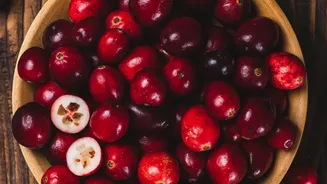




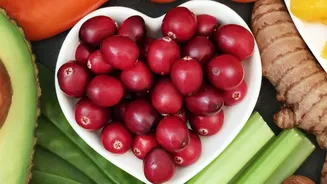
The tart, crimson cranberry is more than a festive treat; it's a unique North American native that can be a rewarding, if challenging, home gardening project. With the right know-how, you can even cultivate these fascinating vines indoors.
Debunking the Bog
First, let's
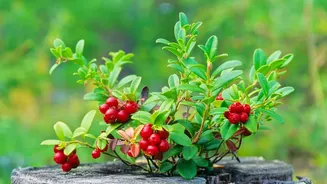
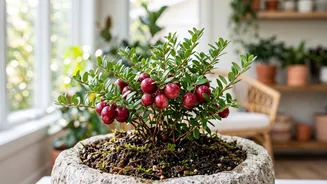
clear up a common myth. While commercial cranberry farms are flooded for harvesting, the plants themselves do not grow in water. In fact, cranberries are perennial, low-growing evergreen vines that thrive on dry land. They are part of the Ericaceae family, related to blueberries and rhododendrons, and share a love for acidic soil. The vines produce runners and short vertical stems called uprights, where the distinctive pink flowers and, eventually, the berries are formed. A healthy plant can be productive for many decades, but it requires patience, as it can take three to five years for a new plant to produce a full harvest.
The Ideal Outdoor Environment
To grow cranberries successfully, you must replicate their specific native conditions. The single most important factor is soil pH. Cranberries demand highly acidic soil, with a pH between 4.0 and 5.5. Anything higher will prevent the plant from absorbing nutrients. The soil should also be well-draining but consistently moist, rich in organic matter like peat moss. Full sun is essential for the best fruit production, requiring at least six hours of direct light daily. Finally, these plants are native to temperate climates and have a 'chilling requirement'. They need about three months of winter temperatures between 1°C and 7°C (32-45°F) to enter dormancy, which is crucial for setting buds for the next season.
Setting Up for Indoor Success
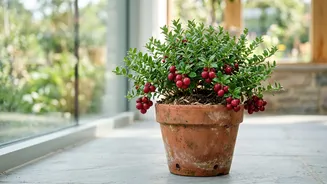
Growing cranberries indoors in a pot is an excellent option, especially for those in warmer climates who cannot meet the chilling requirement naturally. Start with a wide, relatively shallow container to accommodate the plant's spreading runners. Excellent drainage is non-negotiable. The potting mix must be acidic; a blend of peat moss, sand, and compost is ideal. You can buy a premixed acidic soil blend or amend your own. Place the pot in the sunniest spot you have, such as a south-facing windowsill that receives at least six hours of direct sunlight. Because containers dry out quickly, you'll need to monitor moisture daily, keeping the soil consistently damp but never waterlogged.
Simulating Winter and Encouraging Fruit
The biggest challenge for indoor cranberry gardening is meeting the chilling requirement. Without a dormant period, your plant won't flower or produce fruit. To achieve this, you must manually induce winter. After the growing season, typically from late November to March, move the pot to a cool location like an unheated garage, shed, or even a refrigerator for about three months. The temperature should remain consistently cool but not freeze solid. During this time, reduce watering significantly, only providing enough to keep the roots from completely drying out. In spring, as temperatures rise, bring the plant back to its sunny spot and resume regular watering.
Pollination and Harvesting Your Berries
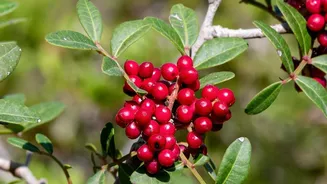
In late spring or early summer, your plant should produce small, pink, bell-shaped flowers. Outdoors, these are pollinated by bees. Indoors, you will need to play the part of the bee. Cranberry flowers are not easily selfstpollinating. To transfer pollen, you can gently shake the plant daily or use a small, soft paintbrush or cotton swab to dab the inside of each flower, moving from one bloom to the next. If pollination is successful, you will see small green berries form, which will slowly grow and ripen to their characteristic deep red colour by autumn. The harvest usually occurs from September through November, before the first hard frost.