



The Quiet Comeback of a Classic
Unlike food trends that arrive with a splash on social media, the resurgence of vegetable pulao is a quieter, more organic movement. It’s not about viral videos or fancy restaurant menus; it’s about what’s happening in real home kitchens. In an age of complex
recipes and global cuisines, many are finding solace in the simplicity of this traditional dish. It represents a return to basics, a preference for flavour that doesn't demand hours of labour. This isn’t a fleeting fad but a genuine shift in our collective culinary priorities, favouring practicality and comfort over performance.
The Ultimate One-Pot Wonder
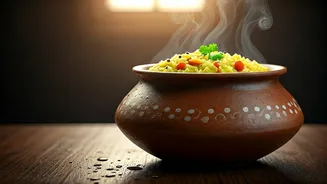
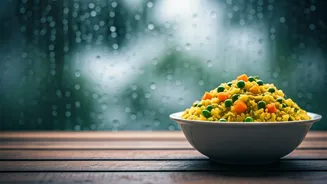
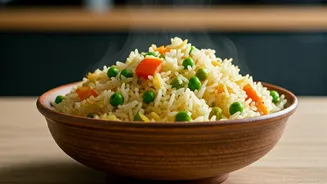
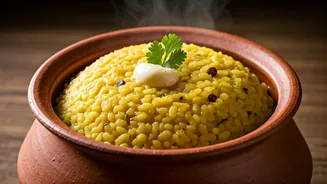
The primary driver behind pulao's newfound popularity is its sheer convenience. It is the quintessential one-pot meal. For the busy professional, the tired parent, or the student living away from home, the ability to create a complete, nutritious meal in a single vessel is nothing short of revolutionary. The process is beautifully simple: sauté aromatics, toast the rice, add vegetables and water, and let the pressure cooker or pot do the rest. The result is a fragrant, fluffy dish with minimal cleanup. In a world that constantly demands more of our time and energy, the pulao offers a delicious, low-effort reprieve, making it the hero of weeknight dinners.
Beyond Biryani: A Lighter, Quicker Choice
For years, pulao has lived in the shadow of its more extravagant cousin, the biryani. While biryani, with its complex layers of spiced meat or vegetables and meticulously cooked rice, is a dish for celebration and special occasions, pulao is a dish for everyday life. The cooking method itself explains the difference: pulao is made by the absorption method, where rice and vegetables cook together in a measured amount of liquid. This makes it significantly faster and lighter than the often rich, multi-step process of preparing a biryani. People are realising they don't have to choose one over the other; they serve different purposes. Pulao is the dependable friend you can call on any day of the week.
A Canvas for Creativity and Health
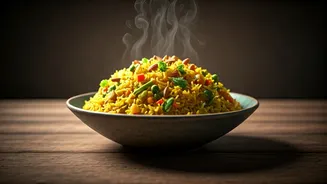
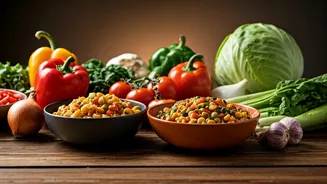
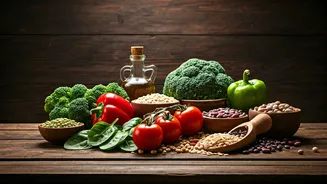
Don’t let its simplicity fool you; vegetable pulao is an incredibly versatile canvas. It’s a fantastic way to use up whatever vegetables are lingering in your fridge—carrots, peas, beans, potatoes, cauliflower, and bell peppers are all welcome. You can easily elevate it with chunks of paneer, soya, or chickpeas for a protein boost. The spice profile can be tailored to your liking, from a simple, fragrant blend of whole spices like cinnamon and cloves to a spicier version with green chillies and garam masala. This adaptability makes it not only a creative outlet but also a healthy one. It’s a balanced meal of carbohydrates, vitamins, and fibre, with the amount of oil and salt entirely under your control.
The Enduring Comfort of 'Ghar ka Khana'
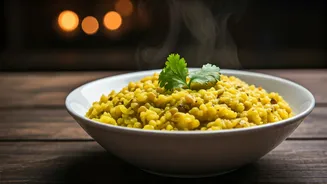
Beyond its practical benefits, veg pulao holds a powerful emotional connection for many. It is the taste of 'ghar ka khana'—home food. It’s the simple, fragrant dish often served with a side of plain curd or raita, evoking memories of childhood and comforting family meals. In a world that often feels chaotic, the familiar aroma of a freshly made pulao provides a sense of stability and care. This desire for nostalgia and the emotional security of home-cooked food has only grown stronger in recent years, cementing pulao's place not just as a convenient meal, but as a source of genuine comfort.