







Feeling winded after a few flights of stairs or unsteady on a long walk? The solution might be simpler than you think. Walking lunges, a powerful bodyweight exercise, build the functional strength you need to conquer daily movements with confidence.
The Power of Functional Fitness
Many
gym exercises isolate single muscles, but walking lunges are different. They are a 'functional' exercise, meaning they mimic real-world movements. Think about it: walking, climbing stairs, and even getting up from the floor all involve stepping forward and lifting your body with one leg at a time. A walking lunge trains this exact pattern, strengthening multiple muscle groups simultaneously in a way that directly translates to making these daily tasks feel less strenuous. By using your own body as resistance, you build strength that is practical for everyday life, not just for lifting heavy weights.
Muscles That Power Your Every Step
Each time you perform a walking lunge, you engage a powerful team of lower-body muscles. The quadriceps (front of the thigh) and gluteus maximus (your glutes) do the heavy lifting to power you up from the lunge and propel you forward. The hamstrings (back of the thigh) and calves assist and provide stability. But it doesn't stop there. Your core muscles—the abdominals and lower back—are constantly working to keep your torso upright and prevent you from wobbling. This total-body engagement is what builds balanced, coordinated strength.
From Lunge to Staircase: Making the Connection
So, how does this translate to that dreaded flight of stairs? Climbing stairs is essentially a series of single-leg squats or step-ups; you lift your entire body weight with one leg, over and over. Walking lunges strengthen the exact muscles required for this demanding task: the glutes and quads that provide the upward drive. Stronger legs mean each step requires less effort, reducing fatigue and breathlessness. Similarly, the exercise improves single-leg balance and control, making your walking gait more stable and efficient, which is especially helpful when carrying groceries or navigating uneven surfaces.
How to Perform the Perfect Walking Lunge
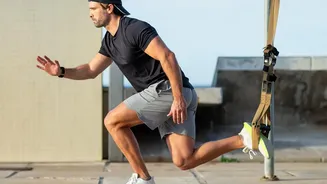
Proper form is key to getting the benefits and avoiding injury. Start by standing with your feet hip-width apart and your core engaged.
1. Take a large step forward with your right foot, planting it firmly on the floor.
2. Lower your hips until both knees are bent at approximately a 90-degree angle. Your front knee should be directly above your ankle, not pushed out over your toes, and your back knee should hover just above the ground.
3. Keep your torso upright and your chest lifted throughout the movement. Avoid leaning forward.
4. Push off your back foot and press through your front heel to stand up, bringing your left foot forward to step directly into the next lunge.
5. Continue this 'walking' motion, alternating legs with each step.
Getting Started Safely and Smartly
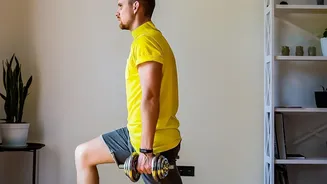
If you are new to lunges, begin with stationary lunges (returning to the start position after each rep) to master the form before adding the forward-walking motion. Start with just your bodyweight. You can always add dumbbells later for a greater challenge once you feel confident and strong. Focus on the quality of each repetition rather than speed or quantity. Aim for 8–12 lunges per leg for 2–3 sets. Listen to your body; muscle fatigue is normal, but sharp pain is a sign to stop. By starting slow and progressing gradually, you can safely build the strength and stability that will make a noticeable difference in your daily life.