





What are the Proposed BS-VII Norms?
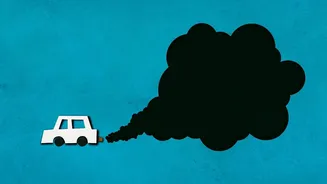
The Ministry of Road Transport and Highways has released a draft notification for the next generation of emission standards, known as Bharat Stage VII (BS-VII). These rules aim to significantly reduce vehicular pollution by setting stricter limits on pollutants
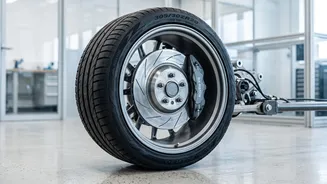
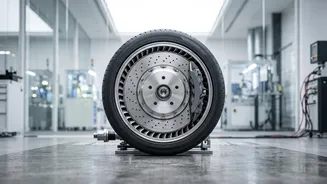
like nitrogen oxides (NOx) and particulate matter (PM). Unlike previous standards, BS-VII expands its focus beyond the exhaust pipe for the first time. It proposes to regulate emissions from brake and tyre wear, which release micro-particles into the atmosphere even from electric vehicles. The draft also includes requirements for on-board monitoring systems to track real-world emissions throughout a vehicle's life and mandates for battery durability in EVs. The proposed timeline is a phased rollout, starting with new passenger cars from April 1, 2029, followed by light commercial vehicles in 2030 and heavy commercial vehicles in 2031.
Why the Industry is Asking for a Delay
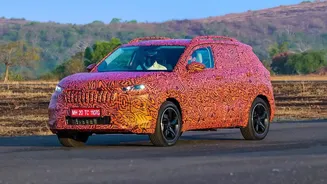
The Society of Indian Automobile Manufacturers (SIAM), the lead industry body, has raised concerns about the 2029 deadline. Automakers argue that the timeline is too ambitious, leaving them with insufficient time for the significant research, development, and validation required. The industry is reportedly considering a counter-proposal to implement the norms in two stages, starting from 2032 and then a second, stricter phase in 2035. This request stems from the immense technical complexity of the task, which involves redesigning engines, developing new pollution-control components, and re-configuring production lines. Automakers fear that a rushed timeline could strain resources, particularly while they are also heavily investing in the transition to electric vehicles.
Lessons from the BS-VI Transition
To understand the industry's cautious stance, it's important to remember the massive leap to BS-VI norms in April 2020. In a bold move to combat pollution, India skipped the BS-V stage entirely, jumping straight from BS-IV to BS-VI. This transition was one of the fastest and most comprehensive regulatory shifts ever undertaken by the global auto industry. It required automakers and oil refineries to invest thousands of crores in a very short period. While the transition was a success in terms of cleaning up emissions, it was a monumental engineering and financial challenge. The industry is still feeling the effects of that rapid change, and that experience is heavily influencing its perspective on the proposed BS-VII timeline. They argue for a more pragmatic roadmap this time around to ensure a stable and sustainable transition.
The Cost to Manufacturers and Consumers
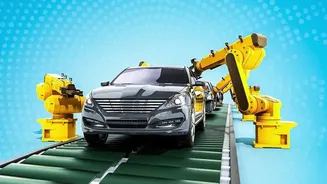
Meeting the stringent BS-VII requirements will not be cheap. The necessary technological upgrades, such as advanced catalytic converters, on-board monitoring systems, and more sophisticated engine components, will require substantial investment from car companies. This increased manufacturing complexity and cost is a major concern, especially for smaller automakers who may struggle to keep pace. Ultimately, these costs are expected to be passed on to the consumer. Industry estimates suggest that vehicle prices could rise, potentially affecting the affordability of entry-level cars and two-wheelers the most. This could dampen demand in a price-sensitive market, a key point in the industry's argument for a more extended timeline.
The Road Ahead: A Balancing Act
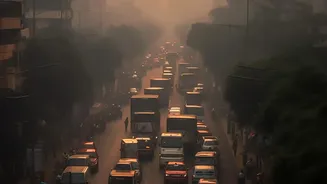
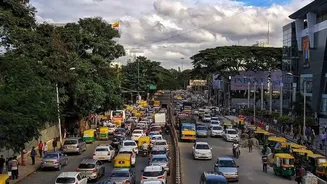
The government's proposal is currently a draft, and the Ministry has invited feedback from the public and stakeholders before the rules are finalised. This sets the stage for a crucial discussion between policymakers and the auto industry. The government is focused on the urgent need to improve air quality in India's cities, while the industry is advocating for a timeline that it sees as technologically and economically viable. The final outcome will likely be a balancing act between these two priorities. What is clear is that the move to BS-VII is not a question of 'if' but 'when'. The debate over the timeline will determine the pace of India's journey towards cleaner mobility and how the costs of that transition are shared.