



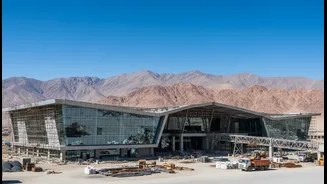
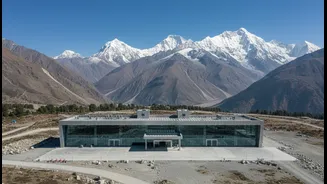
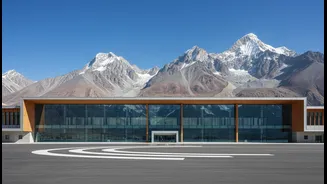


The Gateway to the Roof of the World
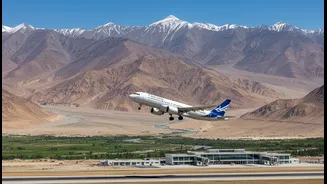
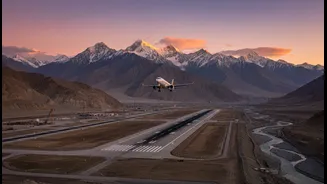
Kushok Bakula Rimpochee Airport in Leh is not just any airport. Perched at over 10,600 feet, it is one of the highest commercial airports in the world and serves as a critical lifeline for the Ladakh region, especially when high-altitude passes are closed
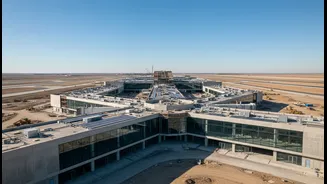
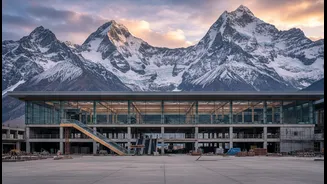
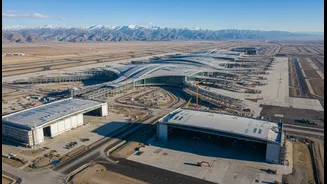
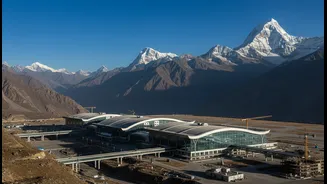
due to snow. For years, flying into Leh has been an adventure in itself, marked by early morning flights to avoid strong afternoon winds, breathtaking views, and a terminal that has been stretched to its limits by growing tourist numbers. However, this crucial gateway is undergoing a massive transformation. A new, state-of-the-art integrated terminal building is in its final stages of construction, a project designed to fundamentally upgrade the travel experience to this remote Himalayan paradise.
A New Era for Air Travel in Ladakh
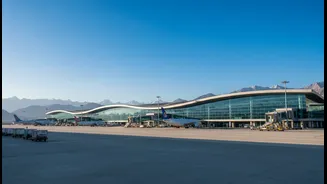
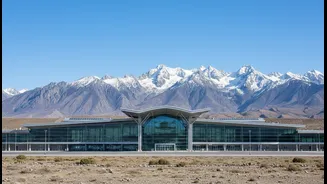
The new terminal is a significant upgrade. According to the Civil Aviation Minister, physical construction was 83% complete as of early July 2026. The project aims to dramatically increase the airport's capacity. While the current terminal handles around 18 flights a day, the new facility is designed to manage up to 54 flights daily, effectively tripling its capacity. This could allow the airport to serve up to 3.5 million passengers annually, a huge jump from the previous volume. For travellers, this means more than just a bigger building. The expansion includes modern amenities like 20 check-in counters, advanced baggage handling systems, and, for the first time, aerobridges, which will make boarding and deplaning much smoother. The project is also a model of sustainability, set to be one of India's first airports powered by a hybrid of geothermal and solar energy.
What the Expansion Means for Your Trip
The most significant benefit for travellers will be enhanced connectivity and potentially more reliable travel planning. The ability to handle more flights could lead to increased competition among airlines and more direct connections from cities across India. Even before the new terminal's completion, flight operations had been increased significantly for the peak season to revive tourism. With the new infrastructure, there is hope for fewer cancellations and delays, which have long been a frustrating part of the Leh travel experience due to weather and operational constraints. A larger, more comfortable terminal will also reduce the stress of travel, especially for those who need to acclimatize to the high altitude. Less time spent in crowded queues is a major plus when your body is adjusting to thinner air. The increased capacity and efficiency are expected to make the entire process of flying in and out of Leh far more predictable.
Boosting Ladakh's Tourism and Economy
This infrastructure upgrade is not just about passenger convenience; it's a strategic move to bolster Ladakh's economy. Tourism stakeholders in the region have previously raised concerns about a decline in visitor numbers, and enhanced air access is seen as a direct solution. The expansion is expected to drive a significant increase in tourist footfall, which will, in turn, support local hotels, tour operators, taxi drivers, and artisans. With the capacity to welcome more visitors throughout the year, the airport expansion could help create a more stable, less seasonal tourism industry. This provides a foundation for sustainable growth, creating more local livelihoods and positioning Ladakh as a premier global destination that is easier to reach without losing its charm.