




Sendha Namak: The Pure Salt
The most fundamental switch during any vrat is replacing regular table salt with Sendha Namak, or rock salt. From a spiritual perspective, it is considered the purest form of salt because it is raw, unprocessed, and free from the chemical treatments that
table salt often undergoes. This aligns with the Ayurvedic concept of a 'sattvik' diet, which emphasizes pure, natural foods that calm the mind and body, making it ideal for a period of spiritual discipline. But there is a strong scientific reason, too. Fasting can lead to dehydration and a loss of essential minerals. Sendha Namak is rich in electrolytes like potassium, magnesium, and calcium, which are crucial for maintaining the body's fluid balance, preventing muscle cramps, and sustaining energy levels. Unlike regular salt, which can be heating to the body, rock salt is believed to have a cooling effect and is gentler on the digestive system, which is naturally given a rest during a fast.
Sabudana: The Energy Booster
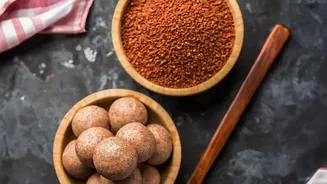
Sabudana, or tapioca pearls, are a near-ubiquitous presence in vrat meals, from khichdi to vadas. The primary reason for its popularity is simple: quick energy. Sabudana is almost pure carbohydrate, which the body can efficiently convert into glucose to fuel itself during long gaps between meals. This immediate energy boost helps combat the fatigue that can accompany fasting. Made from the starch of the cassava root, sabudana is not a grain and is therefore permitted during fasts when cereals are avoided. Furthermore, it is incredibly light on the stomach and easy to digest, which is a key consideration when the digestive system is in a state of rest. While sabudana itself lacks significant vitamins or protein, it acts as a perfect vehicle. When combined with other vrat-approved ingredients like peanuts, potatoes, and spices, it becomes part of a more balanced and satisfying meal that feels both comforting and sustaining.
Singhare ka Atta: The Grain-Free Flour
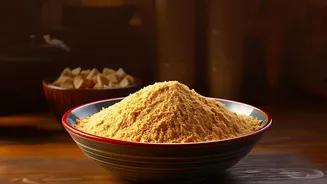
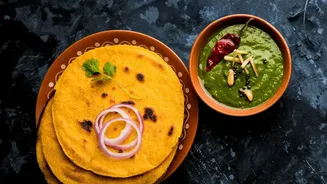
When grains like wheat and rice are off the menu, flours like Singhare ka Atta (water chestnut flour) step in to make staples like puris and halwa possible. Derived from dried, ground water chestnuts, it is technically a fruit, not a cereal grain, making it an acceptable ingredient for fasting. Nutritionally, it’s a powerhouse. It is naturally gluten-free and a good source of energy-boosting complex carbohydrates. It's also rich in potassium, which helps regulate blood pressure and counteracts water retention in the body. According to Ayurveda, singhara has cooling properties, making it beneficial for balancing body heat and supporting digestion during a fast. Its high fibre content also aids in keeping you feeling full for longer, which can be a significant advantage when you are limiting your food intake. This makes it not just a substitute for regular flour, but a nutritionally dense choice in its own right.