
The Building Blocks of Life
To understand the magic of dal and rice, we first need to talk about protein. Proteins are essential macronutrients made up of smaller units called amino acids. Our bodies use these amino acids for everything from building and repairing muscles to supporting
our immune system. There are 20 different amino acids, but nine of them are called “essential amino acids.” Our bodies cannot produce these nine, so we must get them from the food we eat. Foods that contain all nine of these essential amino acids in sufficient amounts are known as “complete proteins.” While most animal products like meat, eggs, and dairy are complete proteins, the majority of plant-based foods are not.
The Puzzle of Plant Proteins
Most plant foods are considered “incomplete” proteins because they are low in one or more of the essential amino acids. This doesn't make them inferior; it just means that relying on a single plant source throughout the day might leave you with a nutritional gap. For vegetarians, the key is to combine different plant foods strategically to cover all the bases. This is a concept known as protein complementation, where two or more incomplete proteins are eaten together to form a complete protein profile. This ancient food wisdom is perfectly demonstrated in one of India's most beloved meals: dal chawal.
Lentils: A Lysine Powerhouse
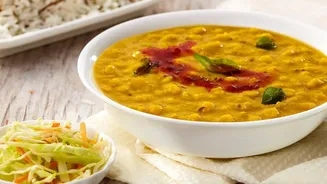
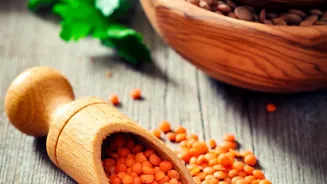
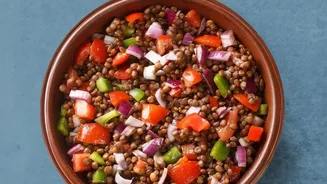
Lentils, or dal, are a cornerstone of vegetarian diets in India and for good reason. They are packed with protein, fibre, iron, and folate. A single serving provides a significant amount of your daily protein needs. However, when it comes to their amino acid profile, lentils are low in two specific sulphur-containing essential amino acids: methionine and cysteine. On the other hand, lentils are rich in another essential amino acid called lysine. This specific imbalance is where its famous partner comes into play.
Rice: The Perfect Counterpart
Rice, the other half of this iconic duo, has an amino acid profile that is almost the mirror opposite of lentils. Grains like rice are typically low in the essential amino acid lysine—the very one that lentils have in abundance. However, rice contains the sulphur-based amino acids, methionine and cysteine, that are lacking in lentils. When you eat dal and rice together, their individual weaknesses are cancelled out. The lysine from the dal compensates for the lack of it in rice, and the methionine and cysteine from the rice complete the profile of the dal.
A Scientifically Sound Combination
Together, dal and rice provide all nine essential amino acids, making them a source of high-quality, complete protein comparable to that of animal products. This combination provides sustained energy, helps in regulating blood sugar levels due to the fibre from the lentils, and promotes a feeling of fullness, which can aid in weight management. Modern nutritional science now confirms what Indian grandmothers have known for centuries: this simple, affordable, and delicious meal is a nutritional powerhouse. While it was once thought that you had to eat these complementary proteins in the very same meal, many experts now agree that consuming them over the course of the same day is sufficient for your body to get what it needs.
Beyond Just Dal and Rice
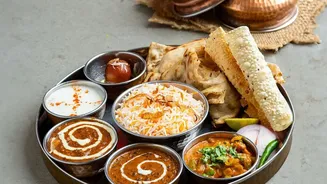
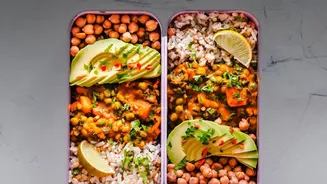
The principle of combining legumes with grains extends across Indian cuisine. Think of rajma with rice, chana with bhature, or even a simple dal with roti. Each of these pairings works in the same complementary way, ensuring a steady supply of complete protein. The variety of dals available also offers a diverse range of nutrients. Moong dal is light and easy to digest, masoor dal is rich in iron, and toor dal is a great source of potassium. By rotating different dals and grains, you not only keep your meals interesting but also ensure a wider spectrum of vitamins and minerals.