

The Dark Side of Festive Sweets
During the high-demand Diwali season, the pressure to produce large quantities of sweets quickly can lead some vendors to cut corners. This can range from using cheaper, low-quality ingredients to outright adulteration. Milk-based sweets, especially those
using khoya (milk solids), are particularly vulnerable. Common adulterants include starch, blotting paper, and even harmful substances like urea and detergent to add bulk and mimic a rich texture. Furthermore, sweets may be old stock, increasing the risk of spoilage and foodborne illnesses. Children, the elderly, and those with weakened immune systems face a higher risk from contaminated food, making caution essential.
Trust Your Eyes: What to Look For
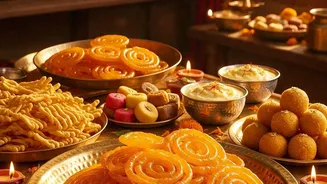
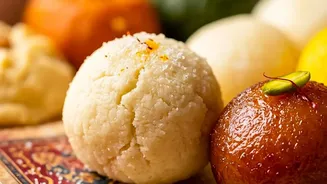
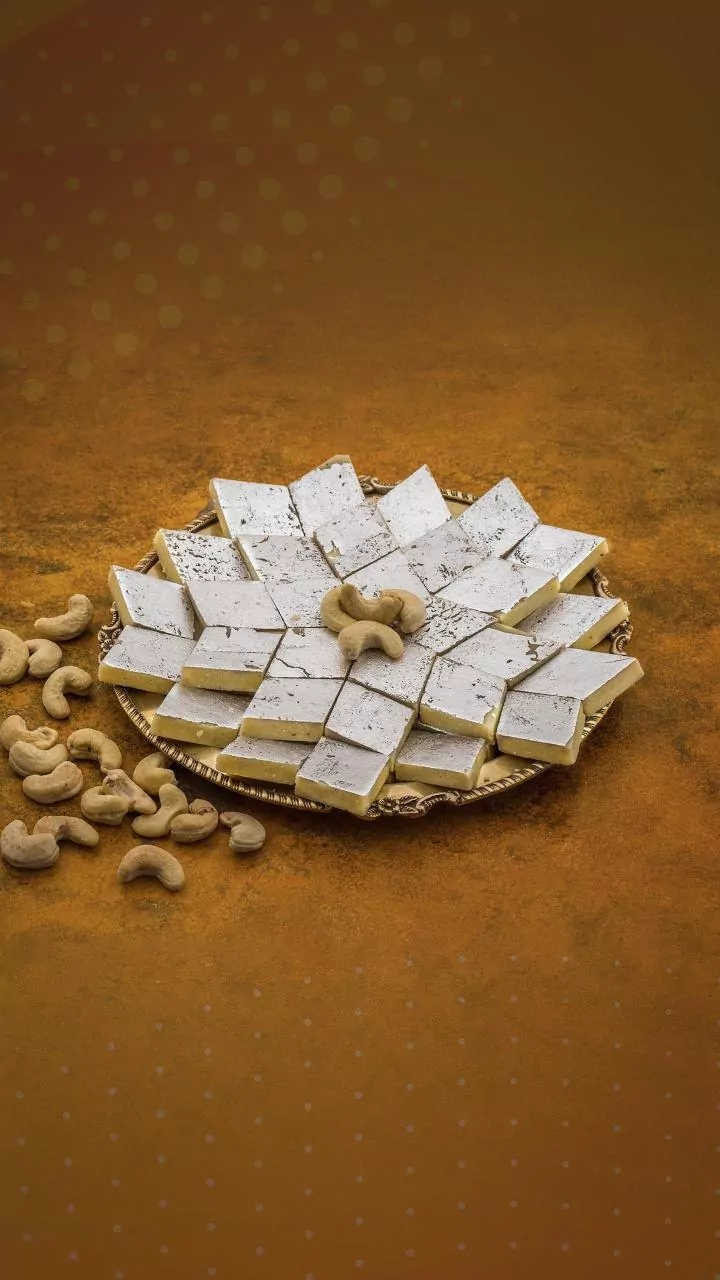
Your first and most powerful tool is careful observation. Before purchasing, take a moment to inspect the sweets. Be wary of unnaturally bright or vibrant colours, which could indicate the use of non-permitted industrial dyes instead of food-grade colouring. Fresh sweets should have an appealing, natural appearance. A dull, dry, or cracked surface often suggests staleness. Look for any signs of mould, which can appear as fuzzy spots. Also, pay attention to the decorative silver foil known as 'vark'. Genuine silver vark is incredibly delicate and should disintegrate when rubbed between your fingers. If it feels like a piece of foil and rolls into a ball, it is likely aluminium, which can contain harmful heavy metals.
Beyond Visuals: Using Smell and Touch
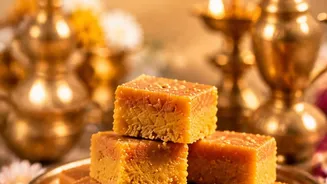
Your other senses can reveal what the eyes might miss. A fresh sweet should have a pleasant, inviting aroma of its main ingredients, like ghee, milk, or nuts. If you detect a sour, stale, or chemical-like odour, it's a major red flag. This could signal that the milk or fats used have gone rancid. Texture is another crucial indicator. Ask the shopkeeper for a small sample if possible. The mithai should have the expected texture – for instance, a barfi should be soft and melt-in-the-mouth, not hard or overly grainy. A sticky or slimy surface is a clear sign of spoilage. A simple palm test can also be telling; sweets made with pure ghee will start to melt slightly from your body heat, while those with vegetable fat (vanaspati) may feel waxy.
Smart Shopping for a Sweeter Celebration
Beyond inspecting the sweets themselves, your shopping habits can significantly reduce risks. Always buy from reputable, clean, and well-established vendors who have a displayed FSSAI license or registration. This indicates the business is regulated. In fact, FSSAI now mandates that shops display the 'manufacturing date' and 'best before' date even for loose sweets, so be sure to check the tray or container for this information. Avoid buying sweets that are left exposed to dust, flies, and excessive handling. Opt for those kept in clean, covered displays, and ensure refrigerated items are properly chilled. If possible, buy sweets that are made in smaller, fresh batches rather than those that have been sitting in large piles or pre-packed boxes for an unknown period.