




The Three Golden Rules of Storage
Before we get into specifics for different types of treats, there are three universal rules that apply to almost all Diwali leftovers. First, always let sweets and snacks cool down completely to room temperature before packing them away. Storing them while
still warm creates condensation, which is the primary cause of sogginess and spoilage. Second, invest in good quality airtight containers. Oxygen and moisture are the enemies of freshness. Glass jars are excellent, but high-grade plastic containers also work well. Third, segregation is key. Store different types of sweets and snacks separately. This prevents flavours from mingling and stops moisture from a milk-based sweet from ruining a crispy, fried snack.
For Milk-Based Mithai: Refrigerate Immediately
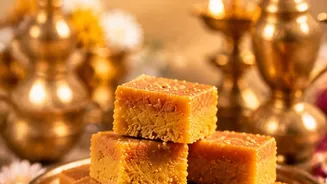
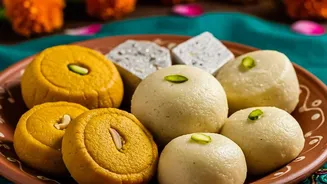
Sweets made with milk solids (khoya), paneer, or fresh cream are the most perishable. This category includes popular treats like milk cake, kalakand, and most varieties of barfi and peda. These should be your top priority for storage. Do not leave them out at room temperature for more than a few hours. Place them in a clean, airtight container and get them into the refrigerator as soon as possible. When stored correctly in the fridge, these delicate sweets will typically stay fresh for up to a week. If you notice any sour smell or change in texture, it is best to discard them.
For Ghee and Flour Sweets: Room Temperature is Best
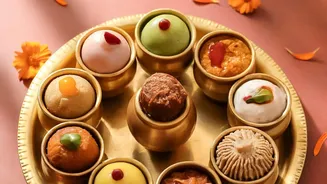
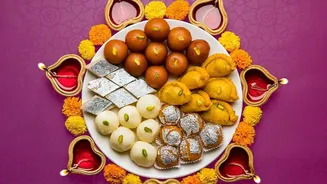
Ladoos, gujiyas, shankarpali, and nankhatai are more resilient thanks to their core ingredients of flour, sugar, and generous amounts of ghee, which acts as a natural preservative. For these, the primary goal is to maintain their texture. Storing them in the refrigerator can sometimes harden the ghee and make them dense. The best approach is to keep them in an airtight container at room temperature, away from direct sunlight or any heat source like a stove. They can easily last for two to three weeks this way. The same applies to delicate sweets like soan papdi, which should be handled gently to avoid crumbling and stored away from any moisture.
For Dry Fruit and Nut-Based Sweets
Mithai where nuts and sugar are the main stars, such as kaju katli and badam barfi, have a moderate shelf life. While they can survive at room temperature for several days, refrigeration is the better option if you want them to last longer. Storing them in the fridge in an airtight container will keep them fresh and flavourful for a good two weeks. If you do refrigerate them, consider letting them sit at room temperature for about 10-15 minutes before serving to soften them slightly for the best texture.
For Savoury Snacks: Keep Them Crisp
For all the delicious fried namkeen like chakli, mathri, and namak para, the storage mission is simple: protect the crunch. Moisture is their biggest enemy. Ensure they are completely cool, then transfer them into a large, airtight steel or glass jar. Do not refrigerate them, as this will not extend their life and serves no purpose. Stored properly at room temperature, these savoury snacks can remain perfectly crispy and delicious for several weeks, making them the perfect companion for your evening tea long after the festival has ended.
When in Doubt, The Freezer is Your Friend
Freezing is an excellent way to preserve many Indian sweets for the long term. Denser mithai like besan ladoo, pedas, barfis, and even gujiyas freeze remarkably well. To freeze them, you can either wrap each piece individually in cling film or place them in a single layer in a freezer-safe container, using parchment paper to separate the layers. This prevents them from sticking together. When you are ready to enjoy them, simply thaw them in the refrigerator overnight or on the counter for a couple of hours. Avoid microwaving them to thaw, as it can ruin their texture. This way, you can enjoy a taste of Diwali a month or two later.