
The Lithium Bottleneck
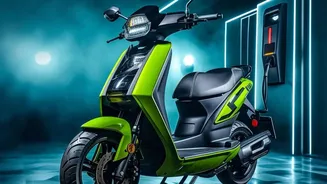
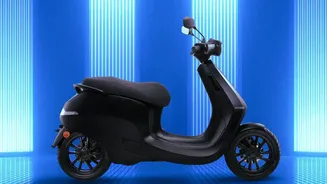
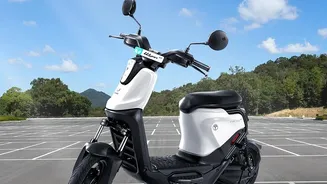
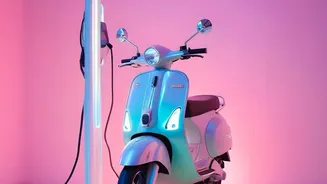
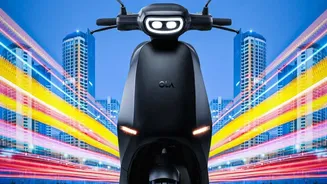
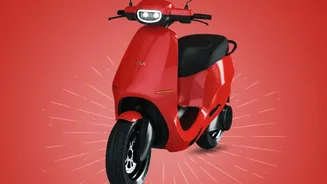
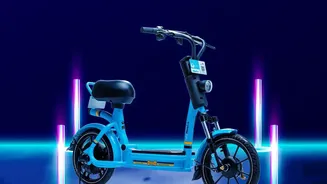
Walk through any major Indian city, and the quiet hum of electric scooters is undeniable. They represent a shift towards cleaner, more sustainable urban transport. Yet, for every person riding an e-scooter, there are many more who find the price tag prohibitive.
A significant chunk of that cost—often 40% to 50%—comes from one single component: the lithium-ion battery. Lithium is often called 'white gold' for a reason. Its demand has skyrocketed, but its supply is geographically concentrated and expensive to process. This creates a volatile supply chain and keeps the prices of electric vehicles stubbornly high. For the average Indian buyer, the difference of ₹30,000-₹40,000 for an EV scooter compared to its petrol counterpart is a major decision point.
Enter the Salt Alternative
Imagine a battery built not from rare, imported minerals, but from one of the most abundant and inexpensive materials on Earth: sodium. This is the promise of sodium-ion batteries. The core component is derived from common salt, a resource that India has in abundance. This simple fact has profound implications. By shifting from lithium to sodium, battery manufacturers could dramatically reduce their dependence on complex global supply chains and lower raw material costs. For a price-sensitive market like India, a technology that uses local, inexpensive materials aligns perfectly with national goals like 'Make in India' and achieving energy self-reliance.
How Sodium-Ion Stacks Up
The basic principle of a sodium-ion battery is very similar to its lithium-ion cousin, involving the movement of ions between two electrodes to store and release energy. The key difference is the material used. Replacing lithium with sodium fundamentally changes the cost equation. But it's not just about price. Sodium-ion batteries offer other compelling advantages. They have shown better performance in a wider range of temperatures, particularly in the cold, and are considered safer due to their thermal stability. They are also more durable, with some variants capable of withstanding more charge cycles than standard lithium-ion batteries. These characteristics make them particularly well-suited for the rigorous daily use of an electric scooter.
The Catch: Energy Density and Cost
If sodium-ion is so promising, why aren't all electric scooters already using it? The primary challenge has been energy density. Historically, sodium-ion batteries have been heavier and bulkier than lithium-ion batteries for the same amount of energy storage. For a two-wheeler, where space and weight are critical, this is a significant drawback. A heavier battery could mean a shorter range or a less nimble scooter. Furthermore, while the raw materials are cheap, the technology is still new. Currently, due to lower production volumes and a less developed supply chain, finished sodium-ion battery packs can sometimes cost more than their lithium counterparts. However, this is expected to change rapidly as manufacturing scales up, with some projections suggesting cost parity could be reached by late 2026.
The Road Ahead for India
The race is on to commercialise this technology, and India is an active participant. Several Indian companies and research institutions are working on developing commercially viable sodium-ion batteries. Nashik-based Jitendra New EV Tech, for instance, plans to launch electric two-wheelers powered by sodium-ion batteries by early 2026. Researchers at the Jawaharlal Nehru Centre for Advanced Scientific Research have also developed a fast-charging sodium-ion battery, demonstrating the country's innovation potential. The initial focus for these batteries is likely to be on applications where cost and durability are more critical than achieving the highest possible range, making the scooter market an ideal entry point. This could first impact the low-speed scooter segment, where affordability is the primary concern for customers in smaller towns and rural areas.