





The Golden Season for Blooms
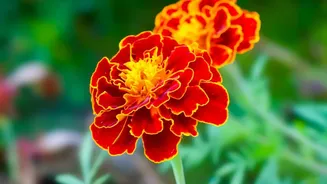
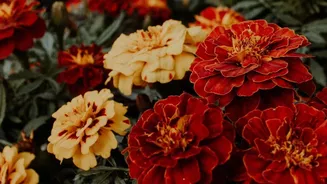
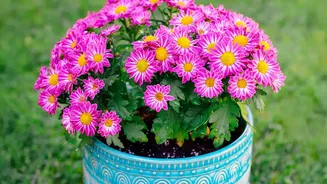
The Indian autumn, particularly the month of October, presents the perfect climate for marigolds (Genda) and chrysanthemums (Guldaudi). The weather is cooler than the harsh summer and less humid than the recent monsoon, creating an ideal environment for these
flowers to flourish. Marigolds, beloved in Indian households, thrive in these conditions, producing vibrant blooms that are integral to autumn festivals. Similarly, chrysanthemums, which are staples of winter gardens in India, begin their main blooming season now, lasting through the cooler months. Your potted plants will respond beautifully to the bright, sunny days and comfortable temperatures, making this a crucial time for focused care.
Perfect Placement and Sunlight
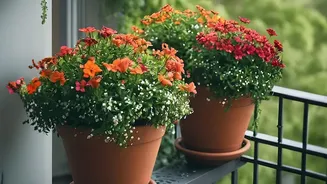
Both marigolds and chrysanthemums are sun-loving plants and require at least six hours of direct sunlight daily for strong growth and abundant flowers. For potted plants, an east-facing balcony or windowsill is often perfect, as it provides ample morning sun without the scorching intensity of the late afternoon. While these plants are hardy, protecting them from the harshest afternoon sun can prevent leaf burn and stress, helping to prolong the life of the blooms. If you notice your plants becoming 'leggy' or spindly with fewer flowers, it is a clear sign they are not receiving enough light. Ensure good air circulation between pots to prevent fungal diseases, which can be a risk after the monsoon.
Watering Wisely in Cooler Weather
As temperatures cool in October, your watering routine needs to adapt. The soil in pots won't dry out as quickly as it did during peak summer. Overwatering is a common mistake that leads to root rot, so it's essential to check the soil before adding more water. A good rule of thumb is to water only when the top one to two inches of soil feel dry to the touch. Water the plants at their base, directly onto the soil, to keep the foliage and flowers dry. This practice helps prevent powdery mildew and other fungal issues. Always use pots with adequate drainage holes to ensure excess water can escape freely.
Feeding for Fabulous Flowers
To support a profusion of blooms, your plants need the right nutrients. Chrysanthemums, in particular, are heavy feeders during their growing season. For both plants, once buds begin to appear, it is best to use a fertilizer that is high in phosphorus and potassium, rather than nitrogen. Too much nitrogen will encourage lush, green leafy growth at the expense of flowers. A balanced liquid fertilizer can be applied every two to four weeks, following the instructions on the package. Alternatively, enriching the soil with organic compost every few weeks provides a slow, steady supply of essential nutrients.
The Simple Power of Deadheading
One of the easiest yet most effective tasks for keeping your plants vibrant is deadheading. This simply means pinching or cutting off spent, withered flowers. Regularly removing old blooms redirects the plant's energy into producing new flowers instead of developing seeds. This encourages a continuous display of colour throughout the season. For chrysanthemums, you can also 'pinch' back the tips of the stems early in their growth to encourage a bushier plant with more branches, which will ultimately lead to more flowers.
Guarding Against Autumn Pests
The pleasant autumn weather can also be inviting for common garden pests like aphids, spider mites, and whiteflies. Regularly inspect your plants, especially the undersides of leaves and new growth, for any signs of infestation. Aphids often appear as small clusters on stems, while spider mites can cause a dusty appearance on leaves. For minor infestations, a strong spray of water can be effective at dislodging pests. For more persistent issues, a natural and effective solution for home gardeners is a diluted spray of neem oil, which can help manage pests without resorting to harsh chemicals.