





From Screen to Suitcase
The way Indians plan their holidays has fundamentally changed, and YouTube is at the heart of this revolution. A recent Google and Kantar report highlights that YouTube is a top source of travel inspiration for Indian travellers. It's no longer just about
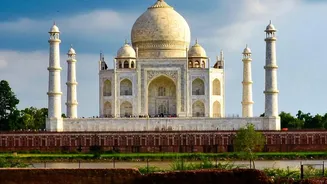
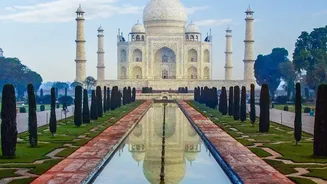
seeing a pretty picture; it's about experiencing a destination before you even book a ticket. Travel videos offer a dynamic, multi-sensory preview that static images in a brochure could never match. They capture the sounds of a bustling market, the view from a mountain peak, and the real-time pace of a city. This visual storytelling makes abstract plans feel concrete and achievable. Viewers are not just watching; they are shortlisting destinations, discovering activities, and building entire itineraries based on the vlogs they consume.
The Rise of the 'Vlogger-as-Friend'
One of the most powerful drivers of this trend is trust. Unlike slick tourism ads, many YouTube creators have built loyal followings by presenting an authentic, often unpolished, view of travel. Viewers form a parasocial relationship with these vloggers, seeing them as relatable friends whose recommendations feel genuine. Studies show that nearly 59% of travellers who follow creators trust their guidance when planning trips. This is especially true for amateur vlogs, which can feel more authentic than polished content from tourism boards. When a vlogger shares a budget breakdown, a visa hiccup, or a candid review of a hotel, it builds a layer of credibility that corporate marketing struggles to replicate. This trust directly translates into booking decisions.
Finding Your Perfect Travel Style
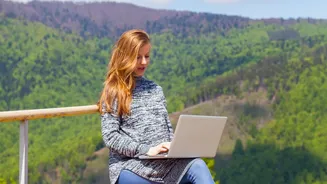
YouTube’s vast ecosystem allows for incredible specialization, catering to every imaginable travel niche. Whether you're a solo female traveler, a budget backpacker, a luxury seeker, or a family with young kids, there is a vlogger for you. Creators like Tanya Khanijow champion solo female travel, offering both inspiration and practical safety tips. Biking enthusiasts follow the road trip adventures of Jatt Prabhjot, while couples find relatable content from channels like Wanderers Hub. This allows travellers to find content that mirrors their specific interests, life stage, and budget. Instead of a one-size-fits-all itinerary, viewers can get tailored advice from someone who travels just like them, making the planning process deeply personal and relevant.
The Ultimate Practical Planning Tool
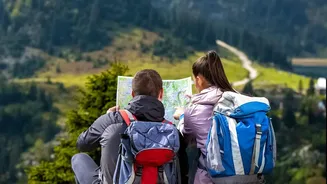
Beyond just inspiration, YouTube videos have become indispensable practical guides. Vloggers are increasingly providing detailed, actionable information that empowers viewers to plan their trips independently. Many popular creators like Mohit Manocha (Travelling Desi) share everything from detailed budget breakdowns and visa application processes to packing lists and day-by-day itineraries. Need to know the best local food to try in Vietnam or the cheapest way to get from the airport in Istanbul? There’s likely a vlog for that. This shift from purely aspirational content to service-driven guides has turned YouTube into a one-stop shop for travel planning, demystifying everything from complex international journeys to discovering hidden gems in one's own country.
Beyond the Picture-Perfect Frame
However, relying solely on YouTube for travel planning is not without its pitfalls. The pressure to create engaging content can sometimes lead to a highly curated, picture-perfect portrayal of travel that omits the less glamorous realities like crowds, delays, and unexpected costs. The phenomenon of "Instagrammable" locations going viral has also led to over-tourism, putting a strain on local infrastructure and environments in previously quiet spots. Furthermore, as the line between genuine recommendation and paid promotion blurs, viewers are becoming more aware of the need for transparency. Discerning travellers are learning to watch with a critical eye, using vlogs as a starting point for their research rather than the final word.