


The Rise of a More Refined Brew
The simple act of enjoying a cool drink on a warm afternoon is being redefined. Moving beyond mass-market options, discerning drinkers are seeking more complexity, authenticity, and a story in their glass. This curiosity has paved the way for a deeper
appreciation of high-quality teas, not just as a hot beverage but as the sophisticated base for exceptional iced refreshments. The focus has shifted from merely quenching thirst to creating a memorable experience, one that engages the palate with layered flavours and aromas. It’s about mindfulness in a glass, where every ingredient is chosen with purpose and every sip tells a story of its origin and craft.
Understanding 'Single-Estate' Tea
Much like single-origin coffee or wine, the term 'single-estate' signifies that the tea comes from one specific garden or estate. This is crucial because tea is deeply influenced by its 'terroir'—the unique combination of soil, climate, and altitude of its growing location. Unlike blended teas, which mix leaves from various sources to achieve a uniform taste, single-estate teas offer a pure expression of a particular place. This traceability not only ensures a higher standard of quality control but also allows you to taste the subtle, distinct character that a specific mountain, valley, or microclimate imparts on the leaves. You are tasting the authentic flavour as intended by the tea master and the land itself.
The Artistry of 'Orthodox' Production
The term 'orthodox' refers to the traditional, time-honoured methods used to process tea leaves. This typically involves careful, often manual, steps of plucking, withering, rolling, oxidation, and drying. The key goal of orthodox processing is to preserve the integrity of the whole tea leaf. This gentle handling allows the leaf to retain its natural oils and complex compounds, resulting in a more nuanced, aromatic, and multi-layered flavour profile compared to the more common CTC (Crush, Tear, Curl) method. While CTC production is faster and designed for strong, consistent brews often found in tea bags, orthodox teas are crafted to showcase complexity and subtlety, making them ideal for a premium drinking experience.
The Botanical Infusion
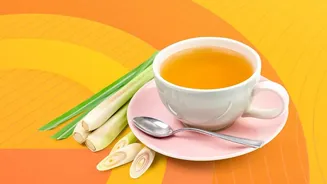
Pairing these exquisite teas with botanical herbs is where the magic truly happens. Adding herbs is not about masking the tea’s flavour, but complementing and enhancing it. Botanicals introduce a new dimension of aroma and taste, creating a symphony of flavours. Cooling mint, citrusy lemon balm, floral lavender, or zesty lemongrass can transform a great iced tea into an extraordinary one. To get the most out of your herbs, gently bruise the leaves before adding them to your brew; this helps release their fragrant essential oils. Whether you're seeking the refreshing zing of peppermint on a hot day or the calming, aromatic notes of chamomile and lavender in the evening, the right botanical can elevate your iced tea to a new level of sophistication.
Perfect Pairings to Try at Home
Experimenting with combinations is part of the fun, but here are a few classic pairings to get you started. The malty, robust character of a single-estate Assam black tea is beautifully complemented by the bright, citrusy notes of lemongrass or the sharp zest of an orange. A more delicate and floral Darjeeling tea pairs wonderfully with rose petals or a hint of lavender, creating an elegant, aromatic brew. For green teas, which often have grassy and light profiles, consider infusions with fresh mint and a squeeze of lemon for a classic refresher, or pair with ginger for a warming kick. Even a simple white tea can be elevated with the subtle sweetness of peach and basil.
Crafting Your Iced Elixir
Making your own premium iced tea is simpler than it sounds. The key is to brew the tea stronger than you would for a hot beverage to prevent it from tasting diluted when poured over ice. A good rule of thumb is to use about double the amount of loose-leaf tea you would normally use—around two teaspoons per cup of water. You can use the traditional hot brewing method: steep the tea and herbs in boiling water for the recommended time (typically 3-5 minutes for black tea), strain the leaves, and then let it cool before pouring over a generous amount of ice. Alternatively, try the cold brew method. Simply combine your tea leaves and botanicals with cold water in a jar and let it steep in the refrigerator for 8-12 hours. This process yields a smoother, less astringent, and naturally sweeter brew.