


The Problem of Produce Purgatory
It’s a familiar story in many Indian kitchens. You buy fresh, vibrant vegetables with the best intentions, but life gets busy. That lovely bunch of palak (spinach) gets pushed to the back, the half-used ginger shrivels in a corner, and before you know
it, they’re destined for the bin. This isn't just a waste of food; it's a waste of the money you spent and the resources used to grow it. When we waste food, we also waste the labour, water, and energy that went into bringing it to our table. The crisper drawer often becomes a place where good intentions go to spoil, simply because we can't see what we have.
Introducing the 'Use-First' Box
The solution is surprisingly simple: create a dedicated, highly visible 'use-first' box in your refrigerator. This can be any clear container, basket, or even just a designated shelf space at eye level. The rule is straightforward: anything that needs to be eaten soon goes into this box. It acts as a visual checklist, reminding you of what to use for your next meal. By placing older items at the front and newer ones at the back, you naturally follow a 'First In, First Out' (FIFO) system, a simple hack to ensure food gets eaten before it expires. This simple organisational change makes it easier to grab what you need and dramatically reduces the chances of produce being forgotten.
Priority One: Delicate Vegetables
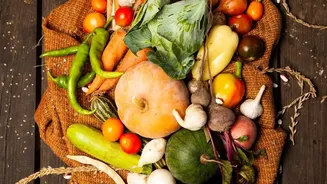
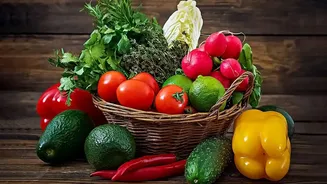
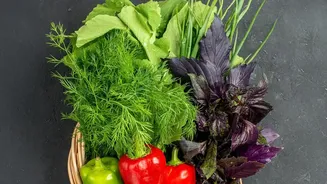
The first candidates for your 'use-first' box are delicate vegetables that spoil quickly. These are typically items with high water content or tender leaves. In an Indian context, this includes fresh herbs like coriander (dhaniya) and mint (pudina), which can wilt within a day or two. Leafy greens such as spinach and fenugreek (methi) also belong here. Other vegetables to watch are mushrooms, which can become slimy, and spring onions. To give them a longer life even within the box, you can wrap leafy herbs loosely in a damp paper towel and store them in a sealed bag or container. Storing these items in a dedicated, visible space ensures they are top-of-mind when you're deciding what to cook.
Priority Two: The World of Open Packs
The second category for your checklist is anything that has been opened. This includes that half-cut onion or lemon, the opened bag of frozen peas, a partially used block of paneer, or leftover chopped vegetables from last night's dinner prep. Once a vegetable is cut or its packaging is opened, its shelf life decreases significantly. Storing these items in the 'use-first' box prevents you from forgetting them. Using clear containers is especially helpful, as you can see exactly what's inside without having to open each one. This habit also keeps your fridge cleaner and more organised, preventing small, half-used items from getting lost.
Setting Up and Maintaining Your System
To start, you don't need fancy equipment. Any clear box or bin will do. The key is placement—put it at eye level so you can't miss it when you open the fridge. Make it a habit: as soon as you bring groceries home, identify the delicate items and place them in the box. When you cook, check the box first for inspiration. Did you just chop half an onion? The other half goes straight into the box. To make the system even more effective, line the bottom of your container with a paper towel. This absorbs excess moisture that can cause greens and other vegetables to rot faster. Change the towel whenever it gets damp. This small step can significantly extend the freshness of your most perishable items.