



Saturn Reaches Opposition
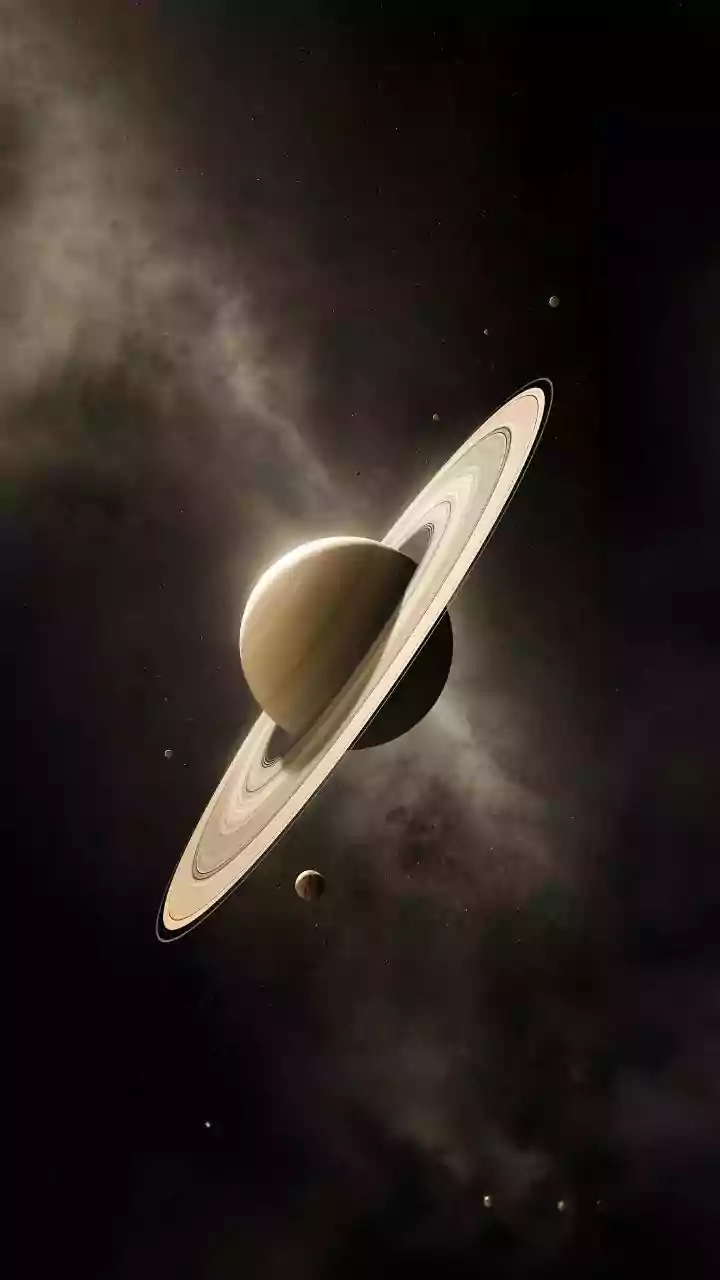
The star of the early October sky is undoubtedly Saturn. The ringed planet reaches opposition on October 4, an event where Earth passes directly between Saturn and the Sun. This alignment means Saturn will rise in the east around sunset, remain visible
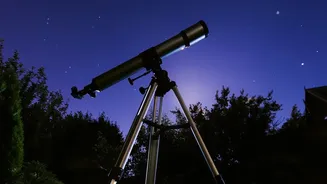
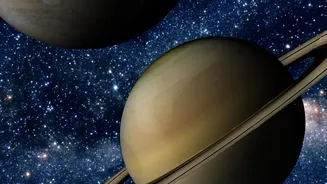
all night long, and set in the west around sunrise. For viewers in India, Saturn rises at approximately 6:11 PM on October 4 and will be at its highest point around midnight. During opposition, the planet is at its closest to Earth for the year, making it appear bigger and brighter than at any other time. To the naked eye, it will look like a steady, bright point of pale yellow light, easily visible even from urban areas. But if you have access to a small telescope, you'll be rewarded with a view of its magnificent rings. These are made of countless chunks of ice and rock, and they are currently tilted at an angle that makes them clearly visible. The nights around October 4 are the perfect time to witness this cosmic wonder.
A Lunar Encounter with Jupiter
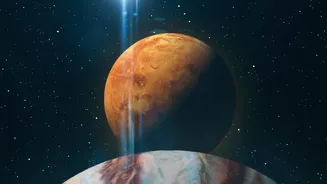
While Saturn dominates the start of the month, Jupiter puts on a special show in the predawn hours. The giant planet is a brilliant light in the eastern sky before sunrise. On the morning of October 6, skywatchers will be treated to a spectacular lunar occultation, where the Moon passes in front of Jupiter, hiding it from view for about an hour. This rare event is visible to the naked eye, though binoculars or a telescope will offer a more dramatic view as the giant planet disappears behind the Moon's bright edge and later reappears from behind the dark limb. The event occurs with a waning crescent moon, which means the sky will be darker, enhancing the visibility of both Jupiter and its own Galilean moons. For viewers across India, this celestial alignment offers a unique and memorable photo opportunity and a chance to witness the clockwork of our solar system in real-time.
The Draconid Meteor Shower
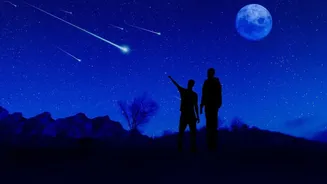
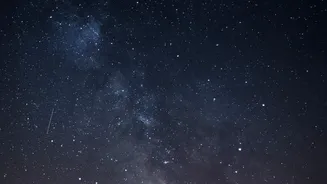
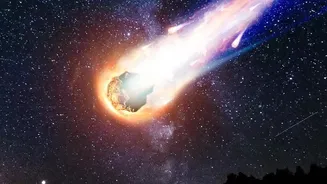
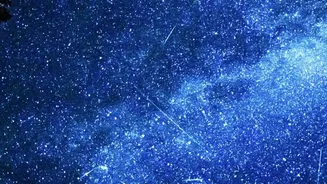
The first of two meteor showers this month is the Draconids, which peaks on the night of October 8-9. Unlike many other meteor showers that are best viewed after midnight, the Draconids are best seen in the early evening, just an hour or two after sunset. This is because their radiant point—the spot in the sky from which they appear to originate—is in the constellation Draco, which is highest in the northern sky after dusk. The Draconids are typically a modest shower, producing about 5 to 10 meteors per hour under ideal conditions. However, viewing conditions in 2026 are excellent, as the peak coincides with a near-new moon, meaning the skies will be very dark. The shower is known for being unpredictable; in the past, it has produced spectacular outbursts of hundreds or even thousands of meteors per hour. While no outburst is predicted for this year, it's worth heading out to a dark spot to try your luck.
The Orionid Meteor Shower
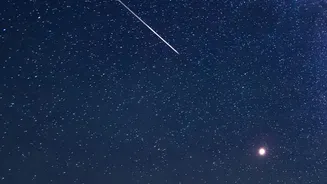
October's second volley of shooting stars, the Orionid meteor shower, peaks on the night of October 21-22. These meteors are famous for being fast and bright, and they are born from debris left behind by one of the most well-known comets: Halley's Comet. At its peak, the shower can produce between 15 and 25 meteors per hour in a dark sky. The best time to watch is in the pre-dawn hours, after midnight, when the radiant in the constellation Orion is high in the sky. This year, a bright waxing gibbous moon will be in the sky during the peak, which might wash out some of the fainter meteors. However, the moon is expected to set a few hours before dawn, leaving a dark window of opportunity to catch the show when it's most active. Find a comfortable spot, let your eyes adjust to the darkness, and watch for these swift streaks of light.
Tips for the Best Viewing
To make the most of these celestial events, a little preparation goes a long way. First, try to get away from city lights. Light pollution washes out fainter stars, meteors, and the finer details of planets. Find a location with a clear, unobstructed view of the sky. For meteor showers, you don't need any special equipment; your eyes are the best tool. Lie on a blanket or recline in a chair to get a wide view of the sky without straining your neck. Give your eyes at least 15-20 minutes to fully adapt to the darkness. Avoid looking at your phone, as the white light will ruin your night vision. If you need a light, use a red torch. Finally, be patient. Stargazing is an activity of waiting and watching, and the rewards are well worth it.