




What is the 'No PUC, No Fuel' Rule?
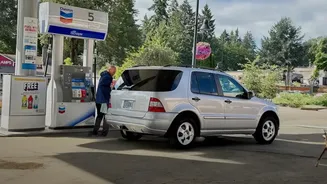
As of October 1, 2026, authorities across Delhi-NCR have intensified the 'No PUC, No Fuel' mandate. This policy prohibits petrol pumps from selling fuel—including petrol, diesel, and CNG—to any vehicle that does not have a valid Pollution Under Control
(PUC) certificate. The rule, which was previously in effect in Delhi, has now been expanded to cover the entire National Capital Region as part of a broader strategy to combat rising air pollution levels, especially ahead of the winter season. This enforcement is a key component of the Graded Response Action Plan (GRAP) aimed at improving the region's air quality.
How is the Rule Being Enforced?
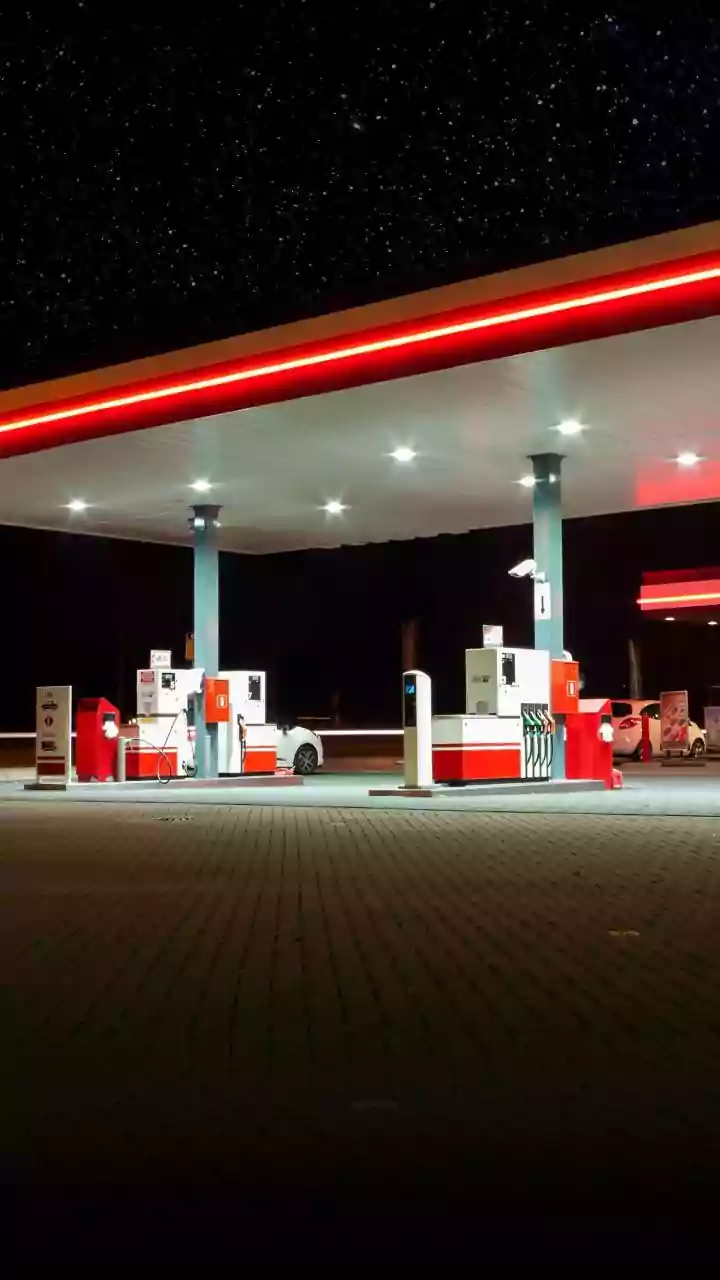
Technology is at the forefront of this initiative. Many fuel stations in Delhi-NCR are being equipped with Automatic Number Plate Recognition (ANPR) cameras. When a vehicle enters the station, these cameras scan the registration number and cross-reference it with the central VAHAN database to verify the PUC status in real-time. If the certificate is found to be expired or invalid, the system will automatically prevent the pump from dispensing fuel. In areas where ANPR systems are not yet installed, pump attendants may be required to manually check the PUC status using a dedicated app.
Why is This Happening Now?
This stricter enforcement is a pre-emptive measure to tackle the severe air pollution that plagues Delhi-NCR each winter. Vehicular emissions are a major contributor to the region's poor air quality. By linking fuel access directly to emission compliance, the Commission for Air Quality Management (CAQM) and local governments aim to ensure that all vehicles on the road adhere to prescribed pollution standards. The policy is designed to be a continuous, year-round effort rather than a temporary seasonal measure, making it harder for non-compliant vehicles to operate.
How to Get or Renew a PUC Certificate
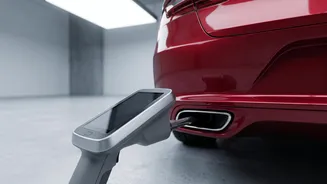
Obtaining or renewing a PUC certificate is a straightforward process. You must take your vehicle to an authorised emission testing centre, many of which are located at petrol pumps and service stations. A technician will use a device to analyse your vehicle's exhaust emissions. If the emissions are within the prescribed limits, a new certificate is issued. For a new car, the first PUC is valid for one year, after which it needs renewal. The validity period for renewed certificates depends on the vehicle's emission standard (e.g., 12 months for BS-IV and BS-VI vehicles). You can download a digital copy of your existing certificate from the official Parivahan portal.
What are the Penalties for Non-Compliance?
Beyond being denied fuel, driving without a valid PUC certificate carries significant financial penalties. Under the Motor Vehicles Act, the fine for this offence can be as high as ₹10,000. In addition to the fine, offenders may face imprisonment for up to three months and a suspension of their driving license. It's also important to note that a valid PUC certificate is often a prerequisite for renewing your vehicle's insurance policy, and a claim could be rejected without it.
Are There Any Exemptions?
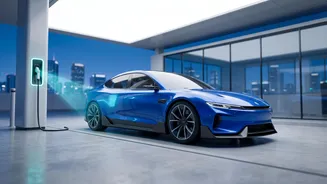
The PUC requirement applies to all petrol, diesel, and CNG vehicles. The only vehicles exempt from this rule are electric vehicles (EVs), as they have zero tailpipe emissions. It is also crucial for drivers to understand that having a valid PUC does not override other restrictions under the GRAP framework. For instance, during periods of severe pollution (Stage III), older vehicles like BS-III petrol and BS-IV diesel cars may be banned from the roads regardless of their PUC status.