






Why Emptying Saucers is Non-Negotiable
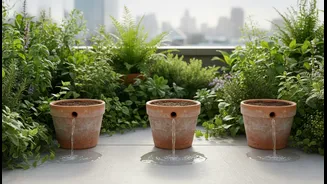
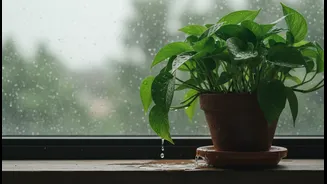
The single most important task for any plant parent during the monsoon is to empty the saucers or trays under your pots after every heavy rain. While saucers are great for protecting floors, they become a major hazard when they collect rainwater. When
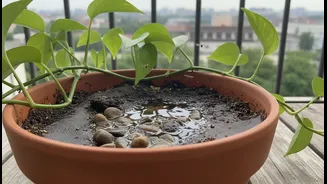
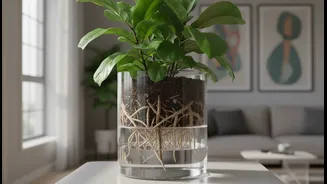
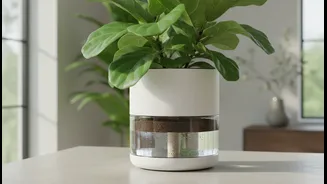
a pot sits in a saucer full of water, the soil becomes waterlogged. The roots, which need oxygen to survive, essentially suffocate. This condition, known as root rot, is the leading cause of plant death during the rainy season. Symptoms include yellowing leaves and wilting, even though the soil is wet. Stagnant water is also a breeding ground for mosquitoes and fungal diseases. Making it a daily habit to tip out excess water is the first line of defense in preventing your plants from drowning.
Ensure Your Pots Can Breathe
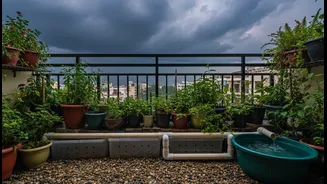
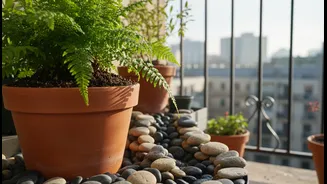
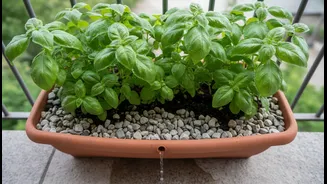
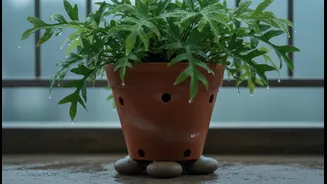
Good drainage goes beyond just emptying saucers. Before the monsoon arrives, it's wise to check that the drainage holes at the bottom of your pots are not clogged. If they are, use a small tool to clear them out. For an extra layer of protection, elevate your pots using bricks, small tiles, or dedicated pot feet. This creates a gap between the pot and the ground or saucer, allowing water to escape freely and improving air circulation around the root zone. The soil itself also plays a critical role. Heavy garden soil can become compacted and retain too much moisture. Amending your potting mix with materials like cocopeat, sand, or perlite improves its structure, making it lighter and more porous to prevent waterlogging.
Trim and Tidy for Better Airflow
High humidity during the monsoon creates the perfect environment for fungal diseases like powdery mildew and leaf spot. One of the best ways to combat this is by improving air circulation around your plants. Avoid overcrowding pots on your balcony or terrace; give them enough space to breathe. Regularly prune your plants by trimming away overgrown branches, dense foliage, and any dead or yellowing leaves. This not only helps the plant direct its energy toward healthy growth but also allows air to move freely through the leaves, helping them dry faster after a shower and reducing the risk of fungal infections taking hold.
Stay Vigilant Against Pests and Disease
The damp and humid conditions of the monsoon are an open invitation for pests like aphids, mealybugs, slugs, and snails. Fungal diseases also thrive in this weather. Make it a weekly routine to inspect your plants thoroughly, paying close attention to the undersides of leaves and the points where leaves meet the stem. Early detection is key. If you spot signs of pests or fungal growth, like a white powdery coating or dark spots, act quickly. An organic solution like a neem oil spray can be an effective preventive measure and treatment for many common monsoon plant problems.
Adjust Your Fertilizing Schedule
Plants generally experience slower growth during the monsoon due to reduced sunlight, which limits photosynthesis. At the same time, heavy rains can wash away essential nutrients from the soil through a process called leaching. It’s a common mistake to fertilize heavily to compensate. However, applying too much fertilizer when the plant is not actively growing can burn the roots. During the rainy season, it's best to reduce the frequency of fertilizing to once every three to four weeks. Opt for a light, liquid fertilizer or gentle organic options like vermicompost, and only apply it during a dry spell between rains.
Provide Shelter for Sensitive Plants
While many plants enjoy the rain, the force of a heavy downpour can damage delicate species, break stems, and erode soil from pots. Plants that are particularly sensitive to overwatering, such as succulents and cacti, should be moved to a sheltered location. A covered balcony, porch, or a spot under the eaves can provide protection from the worst of the rain while still offering bright, indirect light. Even for hardier plants, providing some form of temporary shelter during exceptionally intense storms can prevent physical damage and the stress of oversaturation.