




The New Philosophy of Feasting
Across India, a quiet revolution is taking place in homes and kitchens. Young hosts are reimagining what it means to celebrate festivals like Diwali, Onam, and Eid. The focus is shifting from extravagant displays to mindful gatherings that honour both
culture and nature. This new approach isn't about scarcity; it's about abundance of a different kind—rich flavours from seasonal ingredients, a deeper connection to food, and a lighter environmental footprint. This generation is asking a simple question: How can we celebrate our heritage while protecting our future? The answer lies in a return to traditional wisdom, blended with modern creativity. It’s a movement powered by a desire for authenticity, health, and a conscious lifestyle that extends to the festive platter.
Sourcing Smart: The Local Advantage
The foundation of a sustainable feast is its ingredients. Instead of relying on produce transported over long distances, young cooks are championing local and seasonal foods. This means embracing millets over imported grains, celebrating regional vegetables at their peak, and sourcing from local farmers' markets or community-supported agriculture (CSA) programs. This shift not only guarantees fresher, more flavourful dishes but also supports local economies and reduces the carbon footprint associated with food miles. Thinking seasonally might mean a winter festive menu rich with root vegetables and leafy greens, while a summer celebration could feature refreshing gourds and mango-based desserts. This practice brings a natural rhythm to the festive calendar, making each celebration unique to its time and place.
The Grand Return of the Humble Leaf
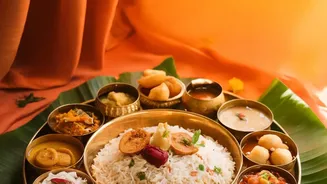
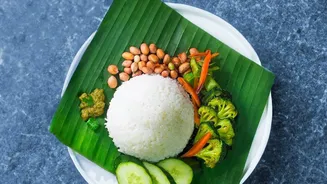
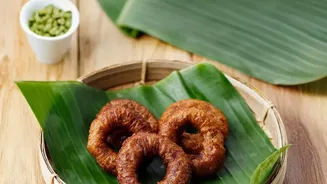
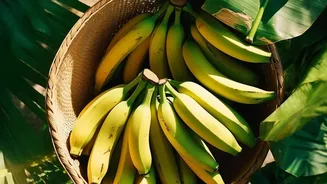
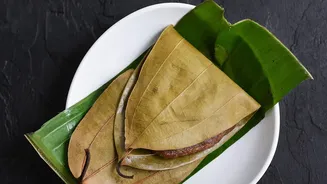
Leaves have been central to Indian culinary traditions for centuries, and they are making a major comeback in sustainable kitchens. Their use is twofold. Firstly, leaves like banana, sal, palash, and teak are being used as natural, biodegradable plates and serving vessels. Serving a festive meal or 'prasad' on a banana leaf is an age-old practice, especially in South India, that eliminates plastic waste and even adds a subtle flavour and antimicrobial properties to the food. Secondly, leaves are being celebrated as ingredients themselves. Turmeric leaves are used to steam dishes like 'patoleo', imparting a delicate aroma, while colocasia leaves are the star of dishes like 'patra'. These practices, once seen as merely traditional, are now recognized as sophisticated, eco-friendly culinary techniques.
The Zero-Waste Kitchen Mindset
True sustainability goes beyond just the main ingredients; it's about valuing every part of the plant. This 'root-to-leaf' approach was once standard in Indian kitchens and is now being revived. Vegetable peels, stems, and scraps, which might otherwise be discarded, are being transformed into flavourful stocks for dals and biryanis. Coriander and mint stems are chopped into chutneys, and citrus peels are used to infuse oils or make pickles. This philosophy challenges the modern notion of waste, viewing kitchen scraps not as trash but as an opportunity for creativity. It’s a return to the resourcefulness of our grandmothers, where every ingredient was respected and utilized, ensuring nothing was lost.
Inspiration for Your Festive Menu
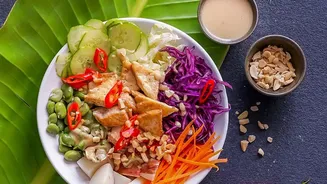
Putting it all together, a sustainable festive menu is vibrant, creative, and deeply flavourful. Start with appetisers like fritters made from vegetable peels or a salad featuring local greens and edible flowers. For the main course, consider a millet-based pulao, accompanied by side dishes that celebrate seasonal heroes—perhaps a pumpkin curry or a stir-fry using beetroot greens. Serve these dishes on traditional leaf plates for an authentic and eco-conscious touch. For dessert, move beyond refined sugar and explore sweets made with jaggery, local fruits, or even slow-cooked vegetables, like a rustic apple or pumpkin peda. The goal is to create a meal that tells a story of the season and the region, offering guests a taste of celebration that is both indulgent and responsible.