




The Rain-Shadow Advantage
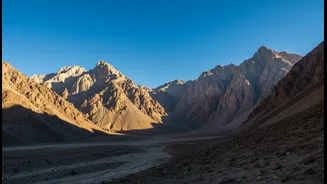
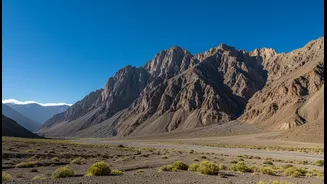
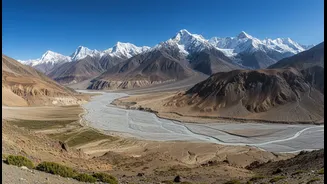
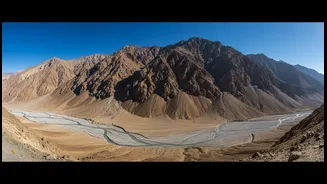
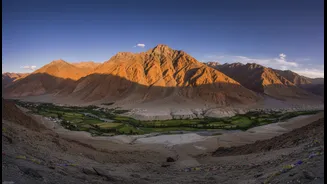
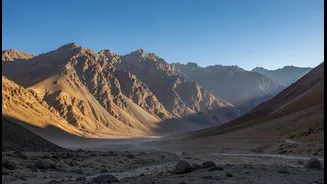
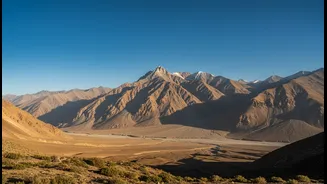
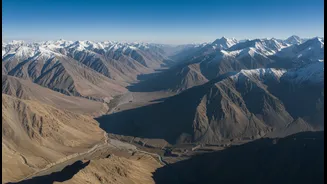
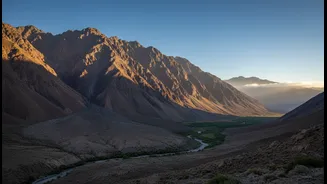
The secret to this unique travel trend lies in a simple geographical phenomenon: the rain-shadow effect. The towering Himalayan ranges act as a colossal barrier, blocking moisture-laden monsoon clouds from reaching the plateaus of Ladakh and Spiti Valley.
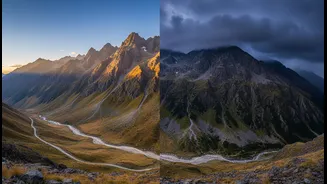
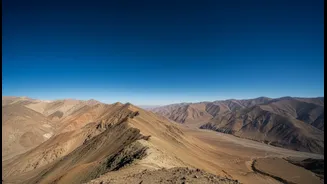
While the rest of the country experiences heavy rainfall between June and September, these regions remain remarkably dry, sunny, and accessible. This arid, cold desert climate offers a stark and stunning contrast to the typical Indian monsoon experience. Instead of contending with humidity and relentless showers, visitors find clear blue skies and comfortable daytime temperatures, often ranging from 15°C to 25°C. This makes it the peak season for tourism in these areas, precisely when many other hill stations are navigating the challenges of wet weather.
A Playground for Adventure Seekers
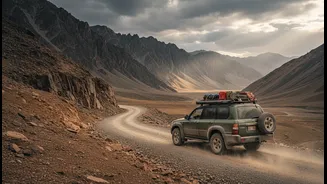
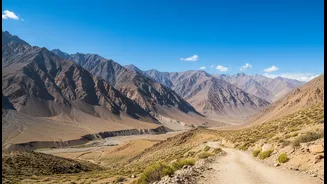
The dry, stable weather creates a perfect environment for outdoor adventure. For road trip enthusiasts, the iconic Manali-Leh and Shimla-Kaza highways are fully operational, offering some of the most spectacular driving routes in the world. Trekkers flock to the region for expeditions that are inaccessible at other times of the year, such as the Markha Valley trek or the Pin Bhaba Pass trek, which reveal a dramatic shift from lush valleys to barren landscapes. The rivers, swollen with glacial meltwater, provide thrilling opportunities for white-water rafting, particularly on the Zanskar and Indus rivers. Beyond the adrenaline, the monsoon months are also a time of vibrant culture. Many of the region's most important monastery festivals, like the Hemis festival in Ladakh, take place during this period, offering a dazzling display of masked dances and ancient traditions. For those seeking solitude, the relative lack of crowds compared to the peak summer rush in other destinations allows for a more peaceful experience at ancient Buddhist monasteries like Key and Tabo.
The Journey Can Be a Challenge
While Spiti and Ladakh themselves are dry, getting there requires navigating routes that are very much in the monsoon's path. The approach roads from Manali and Shimla cut through lower Himalayan regions that receive heavy rainfall. Travellers must be prepared for the realities of this journey: potential landslides, roadblocks, and treacherous water crossings where glacial melt and rainwater swell mountain streams. Experienced local drivers are highly recommended, and building extra buffer days into any itinerary is a crucial safety measure to account for unpredictable delays. The Shimla-Kaza route is often considered more stable but is significantly longer, while the Manali-Kaza route is more direct but also more prone to weather-related disruptions. Careful planning and checking road status updates from the Border Roads Organisation (BRO) are essential before setting out.
A Trend with Growing Pains
The rising popularity of these regions as monsoon getaways is not without consequence. The fragile desert ecosystems of Ladakh and Spiti are facing immense pressure from increased tourist footfall. Concerns about water scarcity, waste management, and unregulated construction are growing among environmentalists and locals. While the idea of monsoon travel here is booming, the reality on the ground can be complex. For instance, reports from 2025 showed a significant dip in domestic tourism in Lahaul-Spiti, attributed to infrastructure challenges, shifting traveller preferences, and weather-related disruptions on access routes. This highlights a delicate balance; the very remoteness that makes these places appealing also makes them vulnerable. As more people discover this alternative to a rainy-season holiday, the call for sustainable and responsible tourism—respecting local culture, minimising environmental impact, and supporting the local economy—becomes more critical than ever.