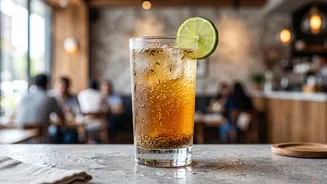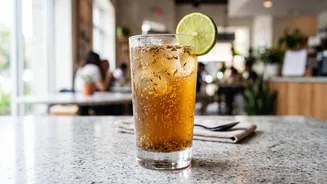






That spicy, tangy, and fizzy kick of jeera soda is a core memory for many. Once a humble street-side digestive, it's now finding its way into premium bottles and the hands of a new generation. But why is this familiar flavour suddenly so cool?
A Sip of Simpler Times
For many
Indians, the taste of jeera soda is deeply intertwined with nostalgia. It’s the flavour of post-wedding meals, street food binges, and hot summer afternoons when it was served fresh from a soda siphon. This emotional connection is a powerful driver of its current resurgence. In a fast-paced world, consumers are increasingly drawn to products that evoke a sense of comfort and authenticity. Brands have tapped into this, marketing jeera soda not just as a drink, but as an experience that connects generations. This isn't just about flavour; it's about reclaiming a piece of cultural heritage that feels both personal and uniquely Indian. The success of brands like Paper Boat, which built its identity on selling 'memories in a bottle', proved that nostalgia is a potent commercial opportunity, paving the way for other traditional beverages to make a comeback.
The Health-Conscious Choice
As consumers become more mindful of what they consume, many are swapping out sugary colas for what they perceive as healthier alternatives. Jeera, or cumin, has a long-standing reputation in Indian tradition and Ayurveda for its digestive properties, known to help with bloating and indigestion. This gives jeera soda a 'functional' edge that most international soft drinks lack. While it's not a health tonic, it is often seen as a better-for-you option, typically containing less sugar than conventional sodas. This perception has been a significant factor in its growing popularity, especially as a post-meal beverage. The broader wellness trend has consumers looking for drinks with purpose, and jeera soda, with its roots in traditional wellness, fits the bill perfectly.
New Brands, Modern Makeover
The jeera soda of today isn't just the street-side drink of yesterday. A host of new and established brands are giving it a modern, ready-to-drink avatar. Companies like Lahori Zeera, which started in 2017, have seen explosive growth, challenging the dominance of global cola giants. Lahori Zeera is expected to end the year with revenues between $115-120 million. Other brands like Bindu's Fizz Jeera Masala, Parle Agro's Dhishoom, and Xotik Frujus' Jeeru have also expanded their reach nationally. These companies are packaging the traditional drink in sleek cans and bottles, making it convenient and appealing to a younger, urban audience. Even legacy brands that have had jeera soda for decades report that it's now their fastest-growing category, with some seeing its share of revenue double in just five years.
An Unapologetically 'Desi' Vibe
Part of jeera soda's new appeal is its unapologetic Indian identity. For a long time, Indian brands either tried to Westernise their products or adapt Western products for local tastes. Now, there's a growing confidence in 'desi cool'. Brands are leaning into this, with taglines like 'Apna Desi Thanda' (India's own cold drink). This shift reflects a broader cultural movement where consumers are embracing local products, flavours, and traditions as a source of pride. Jeera soda, with its distinctive spicy and tangy flavour profile, offers a clear alternative to the homogenous sweetness of many global soft drinks. It has become more than just a beverage; it's a statement of cultural confidence, resonating with a new generation that sees authenticity as the ultimate trend.