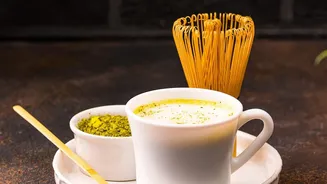



The Green Newcomer: What Is a Moringa Latte?
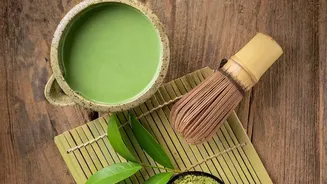
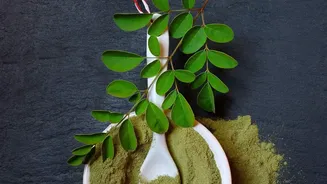
Before it was a latte, moringa was a household staple. Known as the drumstick tree, it has been a part of Indian cuisine and Ayurvedic tradition for centuries, from sambar in the south to stir-fries in the north. The latte is its modern makeover. Made
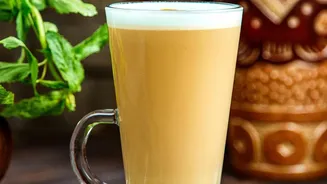
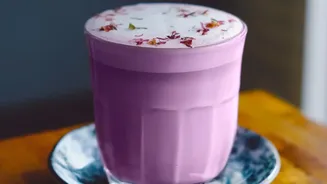
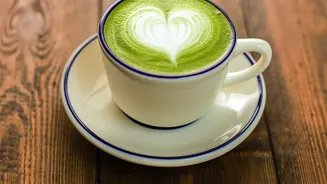
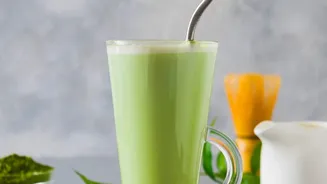
by whisking moringa leaf powder into a smooth paste and combining it with steamed milk (dairy or plant-based) and often a touch of sweetener like jaggery or honey, the drink is earthy, slightly bitter, and visually striking. Its flavour is often described as grassy and similar to matcha, but it boasts a distinct advantage: it's naturally caffeine-free.
More Than a Drink, It's a Wellness Statement
The rise of the moringa latte isn't just about taste; it's deeply tied to the global wellness movement. Dubbed a 'superfood' and the 'miracle tree', moringa is celebrated for its dense nutritional profile. It's packed with vitamins, antioxidants, and minerals like iron and calcium. For a growing segment of health-conscious urban Indians, choosing a moringa latte is a deliberate act of self-care. It offers a gentle, sustained energy boost without the infamous caffeine jitters and subsequent crash associated with coffee. This makes it an appealing alternative for those looking to reduce their caffeine intake or seeking a beverage that nourishes rather than just stimulates.
The Unshakeable Kingdom of Iced Coffee
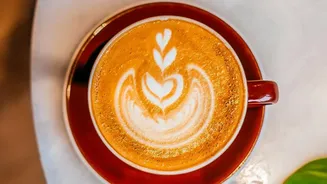
To understand the moringa latte's challenge, one must appreciate the sheer dominance of its rival. Iced coffee is more than a beverage in India; it's a cultural phenomenon, especially among Gen Z and millennials. The Indian iced and ready-to-drink (RTD) coffee market has seen explosive growth, becoming one of the fastest-growing beverage segments. Brands from Tata Starbucks to Nestlé are heavily investing in cold coffee formats, which have transitioned from a summer treat to a year-round staple. The appeal is multi-faceted: it’s a caffeine fix, a refreshing treat, and a status symbol, all rolled into one convenient, on-the-go package.
A Cultural Shift in a Cup
The moringa latte's growing presence signifies a fascinating cultural pivot. It represents the 'glocal' trend: taking a local, traditional ingredient and presenting it in a global, contemporary format. For generations, moringa was simply food or medicine, found in backyards and kitchens. Now, it's being served in the same artisanal cafes that helped popularise the flat white and cold brew. This isn't just about a new item on the menu; it's about a renewed sense of pride in Indian botanical heritage. Cafe owners are finding that offering moringa lattes helps them stand out, cater to wellness-focused customers, and tap into the power of a visually appealing, 'Instagrammable' product that generates its own buzz.
Coexistence Over Conquest
Despite its rise, the moringa latte isn't poised to dethrone iced coffee. The coffee market in India is massive and still expanding. Instead, the trend points towards a diversification of the urban Indian palate. The modern cafe-goer is no longer a monolithic consumer. They might crave an iced Americano for a morning jolt but opt for a calming, caffeine-free moringa latte in the evening. The success of alternatives like turmeric lattes and now moringa proves that there's a growing demand for functional beverages that offer benefits beyond caffeine. The choice is no longer just hot or cold, black or with milk; it's about what the drink can do for you.