






A Symphony in Emerald
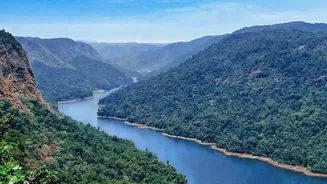
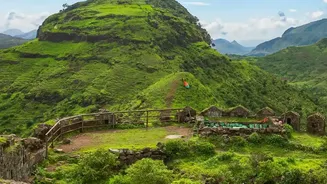
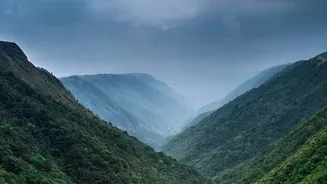
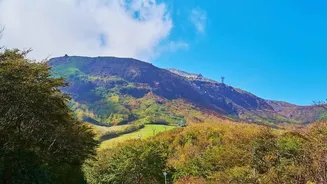
The period from September to November is when the Western Ghats are at their most visually stunning. After months of rain, the entire landscape is washed clean and cloaked in countless shades of green. The forests appear thicker, the coffee and tea plantations
are lush, and the rolling hills are covered in a fresh, vibrant carpet. This post-monsoon renewal makes every turn on the winding roads a picturesque moment, with the scenery bursting with life. The air is crisp and clean, carrying the scent of wet earth and blooming wildflowers, offering a sensory feast that the drier summer months simply cannot match.
The Weather Sweet Spot
Autumn strikes the perfect balance in the Ghats. The relentless downpours of the monsoon have passed, but the searing heat of summer has yet to arrive. This season offers pleasant, cool weather with comfortable daytime temperatures, ideal for driving with the windows down and for outdoor activities like trekking and sightseeing. The humidity drops, and the skies are often clear, providing excellent visibility for soaking in the panoramic vistas from viewpoints. While you might encounter a few lingering showers, especially in early autumn, they are typically brief and only add to the misty, romantic atmosphere of the hills.
Waterfalls in Their Full Glory
One of the most compelling reasons to visit the Western Ghats post-monsoon is to witness the region's waterfalls at their peak. Fed by the heavy rains from June to September, cascades like Abbey Falls in Coorg, Hebbe Falls in Chikmagalur, and Iruppu Falls are thunderous and spectacular. During other times of the year, many of these falls are reduced to a mere trickle. In autumn, however, they are powerful displays of nature's force, creating a dramatic soundtrack to your journey and offering countless opportunities for stunning photographs.
Fewer Crowds, More Serenity
The autumn months represent a shoulder season, nestled between the monsoon off-season and the peak winter tourist rush that begins in December. This means you can enjoy the beauty of popular destinations like Coorg, Chikmagalur, and Wayanad without the large crowds. Fewer tourists translate to more peaceful viewpoints, greater availability at homestays and resorts, and often, better deals on accommodation. It's a chance to experience the tranquility of the Ghats more authentically, whether you're exploring a spice plantation or simply enjoying a quiet cup of coffee overlooking a misty valley.
Navigable Roads and Scenic Drives
While the monsoon season can make driving treacherous due to landslides and poor road conditions, by autumn, the routes are generally safer and more accessible. Main highways are typically cleared and repaired, making for a smooth and enjoyable drive. This season is arguably the best for the drive itself, combining safe conditions with the stunning, green landscapes that the monsoon leaves in its wake. The winding roads through destinations like Sakleshpur and Wayanad become part of the adventure, offering breathtaking views at every hairpin bend.
Popular Autumn Routes from Bengaluru
Several destinations in the Western Ghats are perfect for an autumn road trip. The drive to Coorg (approx. 265 km) takes you through verdant landscapes to the 'Scotland of India'. Chikmagalur (approx. 245 km), the heart of India's coffee country, offers misty peaks and aromatic plantations. Sakleshpur (approx. 220 km) is a closer option, known for its dense forests and the scenic Bisle Ghat viewpoint. For those willing to drive a bit further, Wayanad in Kerala (approx. 280 km) beckons with its pristine lakes, ancient caves, and lush rainforests.