

A Healthier Twist on Festive Traditions
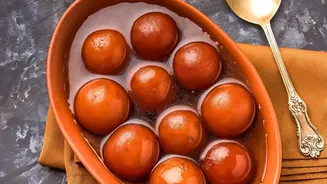
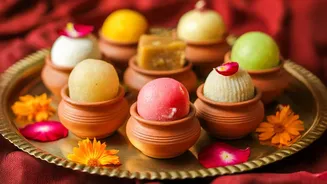
Janmashtami, celebrating the birth of Lord Krishna, is a festival steeped in devotion, fasting, and feasting. Central to the celebrations are the offerings of 'prasad' or 'bhog', which often feature an array of rich, decadent sweets like Panjiri, Laddoos,
and Kheer. While these treats are an integral part of the festive joy, a growing awareness around health and wellness, particularly among younger generations, is inspiring a shift. Youth collectives and health-conscious families are now leading a movement to adapt these cherished recipes for a modern palate, focusing on reducing refined sugar and incorporating more nutritious ingredients. This trend is not about discarding tradition, but about evolving it, ensuring that the essence of the festival remains intact while aligning with contemporary lifestyles. The goal is to create sweets that provide sustained energy for midnight pujas and celebrations, rather than a fleeting sugar rush.
The Sweet Swap: Natural Alternatives to Sugar
The cornerstone of this culinary upgrade is the replacement of white sugar with natural, healthier sweeteners. Jaggery (gur) is a popular choice, bringing not only sweetness but also a distinct, molasses-like flavour and a dose of iron. Similarly, dates are being used to create a naturally sweet paste that also adds fibre and a rich, caramel taste to recipes. For those seeking low-glycemic options, especially those with dietary restrictions like diabetes, ingredients like stevia or monk fruit sweetener are being used to sweeten everything from Kheer to Shrikhand. This thoughtful substitution allows everyone to partake in the festive offerings without compromising their health goals, turning indulgence into a more mindful practice.
Recipe Upgrade: The New Panjiri and Laddoos
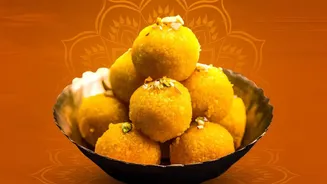
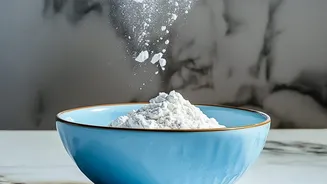
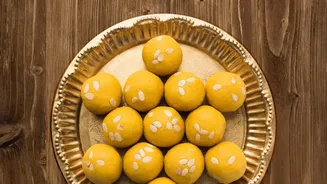
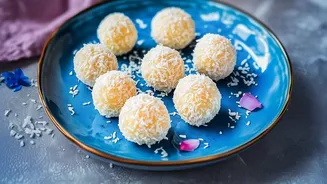
Dhaniya Panjiri, a quintessential Janmashtami prasad, is getting a significant update. The traditional recipe involves roasting coriander seed powder and wheat flour in ghee and mixing it with powdered sugar and nuts. The modern version often swaps refined sugar for powdered jaggery or finely chopped dates. Some innovative cooks are also incorporating nutrient-dense seeds like melon and chironji to enhance its nutritional profile. Laddoos are also being reimagined. Instead of besan or rava laddoos loaded with sugar, youth-led efforts are popularizing versions made from oats, coconut, and nuts, all bound together with date paste or jaggery syrup. Another rising star is the millet laddoo, using flours from ragi or bajra, which offer a lower glycemic index and higher fibre content.
Reimagining Kheer and Other Milk-Based Sweets
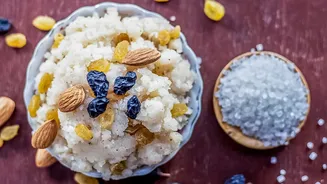
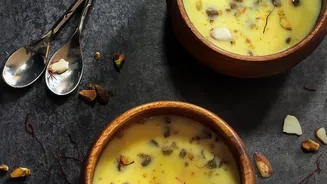
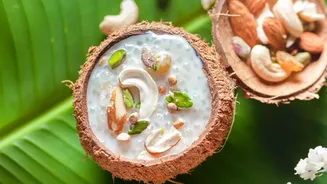
Kheer, the creamy rice pudding synonymous with Indian festivals, is another classic receiving a healthy makeover. To make it lighter, some are using almond milk instead of full-fat dairy and replacing rice with healthier grains like barnyard millet or makhana (fox nuts). Sweetness is introduced through jaggery, date paste, or a few spoonfuls of coconut sugar, which add complexity to the flavour. Even Shrikhand, a strained yogurt sweet, is being adapted. The traditional sugar-heavy recipe is being updated with natural sweeteners like stevia, and the hung curd is blended until creamy with just a hint of cardamom and saffron, making for a guilt-free yet decadent dessert.
More Than Just Recipes: A Generational Shift
This trend extends beyond individual kitchens; it reflects a broader cultural shift. Youth organizations focused on nutrition and sustainable living are using social media and community workshops to share these recipes and ideas. They are creating spaces where traditional knowledge can meet modern nutritional science. This movement is not just about cutting sugar; it's about a generation taking ownership of its cultural heritage and ensuring it remains relevant and sustainable for the future. It’s a celebration of innovation, where the love for tradition is expressed not just by following old recipes, but by thoughtfully adapting them for the well-being of the community.