







Start With An Outer Defence
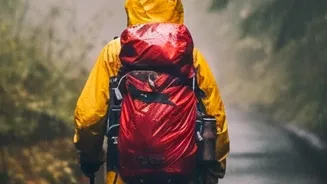
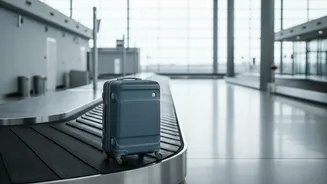
Your first line of defence is your main luggage. While hard-shell suitcases offer better protection than fabric ones, neither is completely infallible. The most effective strategy is to use a waterproof rain cover. These covers are designed to fit snugly
over your backpack or trolley bag, providing a crucial barrier against sudden downpours, especially when your bags are being loaded onto a vehicle or left momentarily on a wet platform. Think of it as a raincoat for your luggage—an essential and inexpensive investment that can save you from the stress of dealing with a suitcase full of damp belongings.
Embrace the Power of Dry Bags
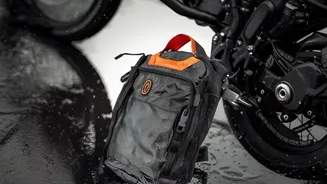
Even with a rain cover, humidity is a persistent threat. This is where dry bags come in. Originally popular with campers and kayakers, these waterproof bags are a game-changer for any monsoon traveler. Instead of simply packing your clothes into your suitcase, compartmentalize them within dry bags. Use one for electronics, another for sensitive documents, and a few for your clothes. This creates multiple layers of protection. If the outer shell of your luggage gets compromised, the contents inside your dry bags will remain perfectly safe and dry. They are also great for separating wet or dirty clothes from clean ones later in your trip.
Guard Your Gadgets Religiously
Water and electronics are a disastrous mix, and the monsoon's high humidity can cause damage even without direct contact with rain. For complete peace of mind, adopt a multi-layered approach. Invest in a high-quality waterproof case or pouch for your smartphone. For larger items like laptops, cameras, and power banks, seal them inside a zip-lock bag before placing them in a padded sleeve and then into a larger dry bag. This triple-layer method might seem excessive, but it’s a small effort compared to the cost and inconvenience of a water-damaged device. Also, be mindful of power surges during storms and unplug devices when not in use.
Harness the Magic of Silica Gel
The battle against monsoon moisture continues even inside your sealed bags. Humidity can make clothes feel damp and lead to a musty smell. The secret weapon of seasoned travelers is silica gel packets. These small desiccants are excellent at absorbing excess moisture from the air. You often get them for free with new shoes or electronics, so start saving them. Sprinkle a few packets into your main luggage, inside your electronics bags, and among your folded clothes. This simple trick helps maintain a drier micro-environment, protecting both fabrics and sensitive circuits.
Pack the Right Kind of Clothes
What you pack is just as important as how you pack it. Heavy fabrics like denim and thick cotton are a poor choice for monsoon travel as they absorb a lot of moisture and take forever to dry. Instead, opt for lightweight, synthetic, or quick-drying fabrics like polyester, nylon, or certain wool blends. These materials not only dry faster if they get wet but also resist the musty odours that can develop in humid conditions. Darker colours are also a practical choice, as they are more forgiving of mud splashes from puddles. And always pack at least one extra set of clothes in a separate dry bag.
Don't Forget Your Vehicle
If you're on a road trip, your car is your sanctuary. Before you leave, check the rubber seals around the doors and boot to ensure they are intact and not letting water in. During the drive, be strategic about where you place your bags. Avoid leaving sensitive items on the floor, where water can pool. Use rubber mats to contain any water and mud brought in on your shoes. Finally, keep a few microfiber cloths handy in the glove compartment. They are super absorbent and perfect for quickly wiping down a wet phone, a foggy windscreen, or any other unexpected drips.