


Kyoto: A Search for Serenity
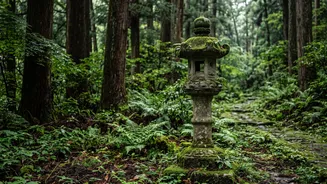
Kyoto is the heart of traditional Japan, a city of thousands of temples, geishas, and tranquil gardens. Or so the story goes. The reality for many visitors is a battle with 'overtourism'. Iconic sites like the Fushimi Inari Shrine, with its thousands of red
torii gates, and the Arashiyama Bamboo Grove are often packed from dawn till dusk, turning a quest for peace into a shuffle through crowds. The city's bus system groans under the pressure, making it difficult even for locals to get around. This doesn't mean the magic is gone, but finding it requires a new approach. A critical look means skipping the midday rush, exploring the lesser-known temples that dot the city, or simply wandering down a side street away from the main attractions. The real Kyoto may not be in the famous photo, but in the quiet moments you carve out for yourself.
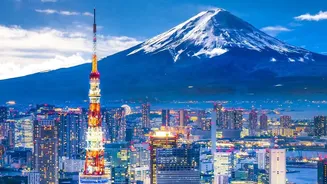
Mount Fuji: More Than a Postcard View
As Japan's tallest and most sacred mountain, Mount Fuji is an undisputed icon. Many travellers dream of seeing it up close or even climbing to its summit. However, a critical look reveals two very different experiences. For those viewing it from afar, the mountain is often hidden by clouds, and getting to popular vantage points can involve long bus rides only to find a crowded viewing deck. For climbers, the challenge is real. The official season is short, and the trails can be congested. The main difficulties aren't technical, but rather the risks of altitude sickness, exhaustion, and sudden weather changes. Recent regulations have been introduced to manage the flow of climbers and improve safety, including fees and daily caps. Appreciating Fuji might mean choosing a less-crowded hiking trail on a nearby mountain for a better view, or if you do climb, preparing rigorously and respecting the mountain's power.
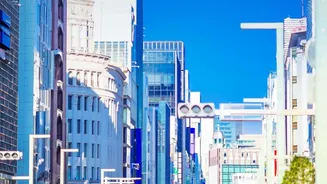
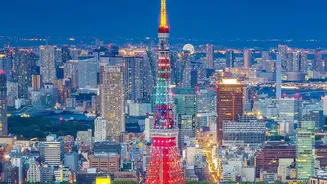
Tokyo's Icons: Chaos and Commercialism
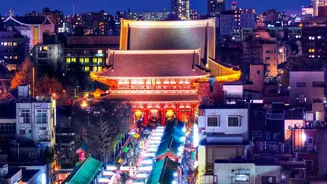
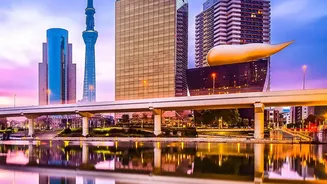
Tokyo is a city of dazzling contrasts, from the quiet dignity of its temples to the vibrant energy of its modern districts. Shibuya Crossing, famously known as the world's busiest intersection, is a prime example. It's often described as 'organized chaos', an exhilarating spectacle of humanity. Up to 2,500 people can cross at once during peak times. Yet for some, the experience can feel overwhelming or even performative, with tourists stopping traffic to get the perfect selfie. Meanwhile, the spiritual havens of the city face different pressures. With a declining population and waning religious affiliation, some temples and shrines are struggling to survive. This has led to a controversial market where religious sites are bought and sold, sometimes by entities looking for tax benefits rather than spiritual preservation, leading to historic buildings being demolished. A critical visit to Tokyo involves seeing both the thrilling spectacle and the deeper cultural shifts happening beneath the surface.
Finding a More Authentic Japan
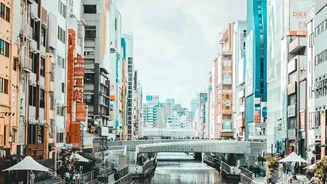
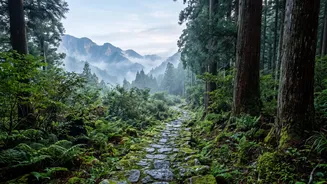
A critical look at Japan's landmarks isn't about discouraging travel; it's about encouraging a more thoughtful way of seeing the country. The issues of overcrowding and commercialisation are real, but so are the opportunities to find genuine experiences. This often means looking beyond the 'Top 10' lists. Instead of joining the crowds in Kyoto, consider a trip to Kanazawa, a city with beautifully preserved geisha districts and one of Japan's most stunning gardens. For a vibrant, food-focused city experience that is less overwhelming than Tokyo, Osaka or Fukuoka offer incredible culinary scenes and a more relaxed atmosphere. Exploring smaller cities like Matsuyama on Shikoku Island or the onsen town of Kurama north of Kyoto can reveal a side of Japan that feels more personal and less performed for tourists. By adjusting expectations and being willing to explore the path less travelled, you can discover the profound beauty that lies beyond the famous facades.