




The Meaning of a Buzzword
First, let's get one thing straight: the word 'natural' on a food label is notoriously slippery. For human food, regulatory bodies have historically maintained a loose definition, generally meaning that nothing artificial or synthetic has been added.
Now, this concept is being extended to animal feed. The primary definition used in the industry comes from the Association of American Feed Control Officials (AAFCO). It states that a 'natural' feed is one derived solely from plant, animal, or mined sources. This means it shouldn't contain any chemically synthetic additives or preservatives. However, the definition is more liberal than many consumers might assume. It allows for a wide range of common processing methods like heat treatment, purification, and fermentation.
Not Quite 100% Natural
One of the biggest caveats in the 'natural' feed definition is the exception for essential nutrients. To ensure animals receive a balanced diet, producers often need to add synthetic vitamins and minerals. Feeds with these additions can still be marketed as natural, provided they include a disclaimer like, “Natural with added vitamins, minerals, and other trace nutrients.” This is an important distinction. The claim is not a boast about purity but a disclosure that synthetic ingredients, while essential for animal health, are present in an otherwise natural product. Crucially, the AAFCO guidelines do not make any claims that 'natural' feed is inherently safer or more nutritious than its conventional counterpart.
Why the Sudden Interest?
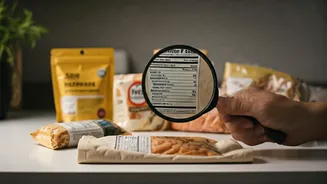
The push for 'natural' animal feed isn't coming from the animals themselves; it's coming from us. As consumers in India and around the world become more health-conscious and scrutinise labels more closely, they are demanding products that align with a 'clean eating' ethos. This has created a powerful 'health halo' around the word 'natural'. Food producers are responding to this by extending the logic to their entire supply chain. If consumers want natural chicken, it stands to reason that the chicken should have eaten natural feed. It’s a marketing strategy designed to reassure shoppers and build brand trust in a competitive market where terms like 'organic', 'non-GMO', and 'antibiotic-free' already hold significant sway.
From Feed to Fork
So, does what an animal eats really make a difference to the food on our tables? The connection is complex. A healthier animal generally leads to a better end product. Proponents argue that natural feeds, free from synthetic additives, can help boost an animal's immune system, potentially reducing the need for routine antibiotics. The diet of livestock certainly impacts the nutritional profile and flavour of meat, milk, and eggs. For example, the types of fats in an animal's diet can influence the fatty acid profile of the meat you buy. However, a 'natural' feed label is not a guarantee of a healthier or superior final product. It doesn't automatically mean the animal was raised in better conditions or that the resulting food is more nutrient-dense. It is one piece of a much larger puzzle that includes the animal's overall welfare, environment, and genetics.
The Indian Consumer's View
In India, there is a powerful and growing demand for food that is perceived as pure, safe, and healthy. Consumers are increasingly willing to pay more for products that offer transparency and align with wellness goals. This makes the Indian market particularly receptive to claims like 'natural'. While the regulations around animal feed might not be a topic of dinner-table conversation, the downstream effect on food labelling is significant. As this trend continues, Indian consumers will likely see more products highlighting not just the final item's qualities, but the 'natural' journey it took from the farm to the store. The challenge will be for shoppers to distinguish between meaningful claims and simple marketing.