
An Engineering Marvel Through Nature's Paradise
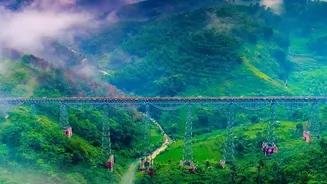
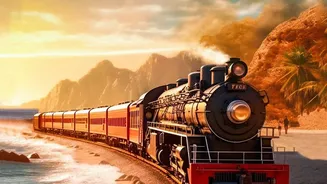
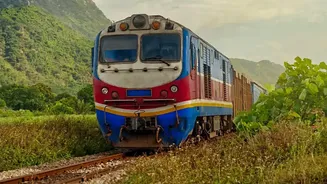
The Konkan Railway is more than just a train line; it's a testament to human ingenuity. Spanning approximately 741 kilometres from Roha, just south of Mumbai, to Thokur, near Mangaluru, it carves a path through one of India's most challenging yet beautiful
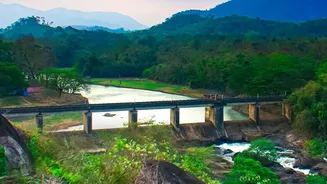
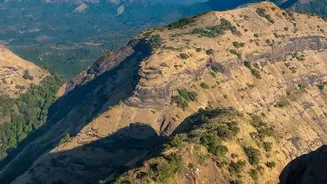
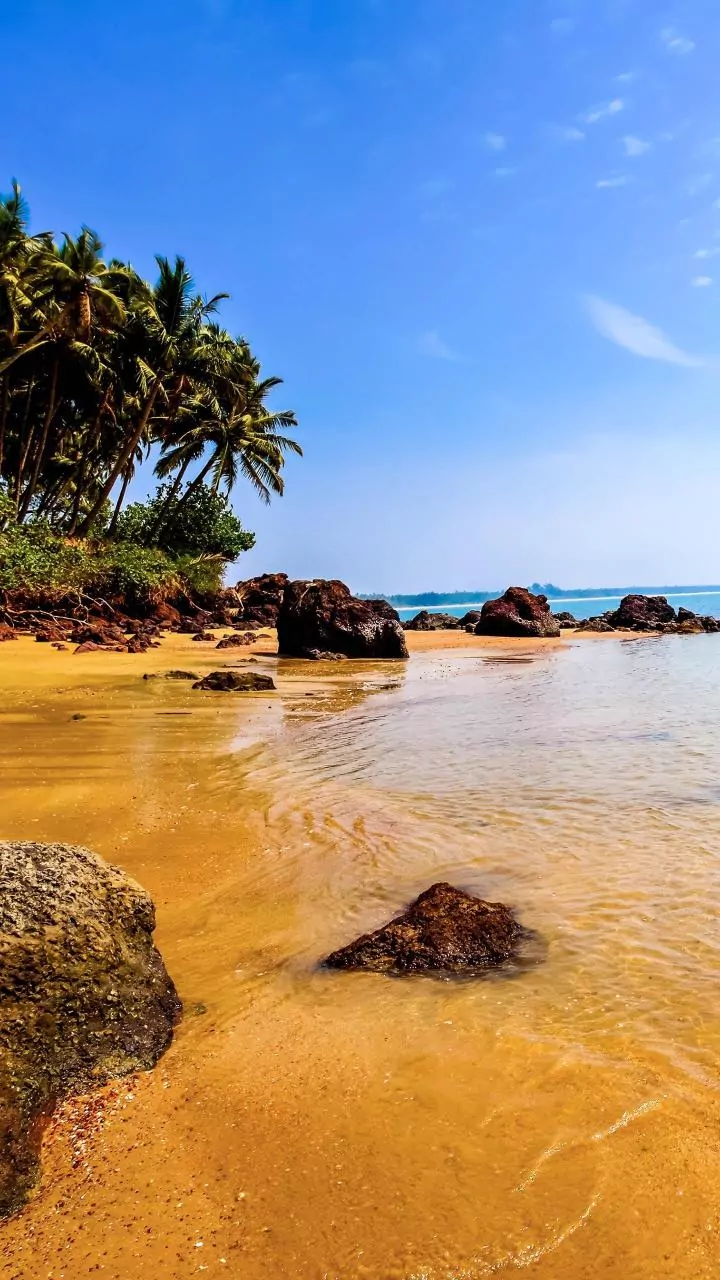
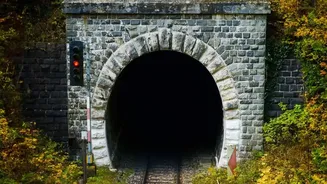
terrains. The route, which connects Maharashtra, Goa, and Karnataka, traverses the magnificent Sahyadri mountains on one side and the sparkling Arabian Sea on the other. Its construction involved cutting through formidable rock, building over 2,000 bridges, and boring through 91 tunnels, including the once longest in India, the Karbude Tunnel. This journey offers passengers a front-row seat to a landscape rich with dense forests, plunging valleys, and rivers rushing to meet the sea.
The Post-Monsoon Visual Feast
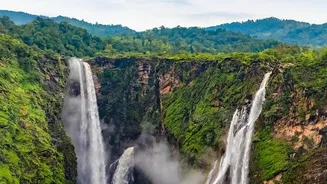
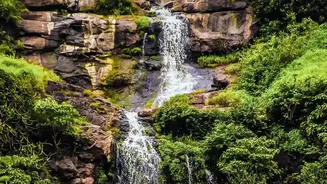
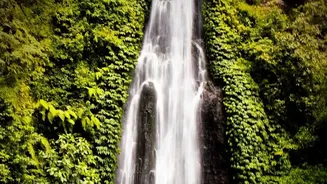
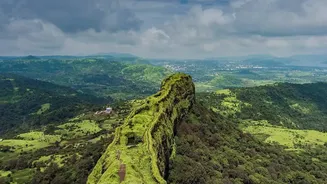
While beautiful year-round, the Konkan route transforms into a spectacle of unparalleled vibrancy in the months immediately following the monsoon, from late September to November. After months of heavy rain, the entire landscape is draped in countless shades of lush, saturated green. The real showstoppers are the waterfalls. Countless temporary cascades, born from the monsoon's generosity, gush down cliffs and mountainsides, with some, like the Ranpat Waterfall near Ratnagiri, passing just metres from the train tracks. The famous Dudhsagar Falls, a mighty four-tiered cascade on the Goa-Karnataka border, is a breathtaking highlight, resembling a "sea of milk" as it thunders down the Western Ghats. Rivers and streams are full, the air is clean and misty, and the entire region feels refreshed and alive, offering a visual experience far more dramatic than in the drier seasons.
Why Your Wallet Will Thank You
The phrase “amazing views cheaply” is the core appeal of a post-monsoon trip. This period is considered a shoulder season, nestled between the peak monsoon rush and the crowded winter holiday season. With lower tourist footfall, there's often less demand for tickets, making it easier to find a seat without booking months in advance. This can also translate to more competitive pricing for accommodation and activities in popular destinations along the route like Goa, Gokarna, or Ratnagiri. The train journey itself offers a range of classes to suit every budget, from affordable sleeper class and chair cars to the premium Vistadome coaches, ensuring that this incredible experience is accessible to all.
Choosing Your Perfect Ride
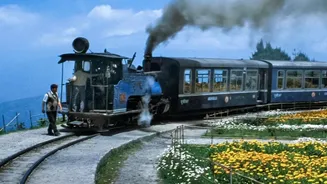
The experience can vary greatly depending on the train you choose. For the ultimate scenic immersion, the Vistadome coaches are unmatched. Attached to trains like the Jan Shatabdi and Tejas Express, these special coaches feature oversized windows, rotating seats, and a glass roof, offering panoramic, unobstructed views of the passing landscapes. For a classic daytime journey prized by rail enthusiasts, the Mandovi Express is a legendary choice. Overnight trains like the Konkan Kanya Express offer a different charm, allowing you to wake up to the stunning coastal scenery of Goa. The entire route is now fully electrified, making for a smoother and more environmentally friendly journey. It is worth noting that a special monsoon timetable is often in effect until late October for safety, with trains running at a slightly reduced speed, which only gives you more time to soak in the views.
Planning Your Konkan Rail Adventure
To make the most of your trip, a little planning goes a long way. The stretch between Ratnagiri in Maharashtra and Madgaon in Goa is widely considered the most scenic part of the journey, packed with viaducts and waterfalls. When booking your tickets, try to ensure this section falls during daylight hours. For the best views, experts suggest booking a window seat. When travelling south from Mumbai towards Goa, the right side of the train generally offers more coastal and valley views, while the left side is preferable when travelling north. Popular stops for tourists include Ratnagiri for its forts and mangoes, Kudal and Sawantwadi for a glimpse into rural life, and of course, Goa and the coastal towns of Karnataka like Udupi and Gokarna for their beaches and temples.