



From the Locker to Everyday Life
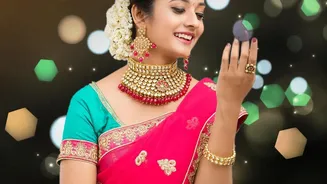
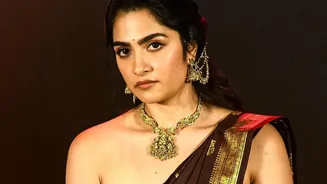
For generations, festive jewellery was an investment, a store of value locked away and brought out only for special occasions. Today, younger buyers are rewriting that script. They view jewellery not as a treasure to be guarded but as a form of daily
self-expression. This shift means they gravitate towards pieces that are versatile and comfortable enough to be worn long after the festivities are over. A delicate chain or a pair of elegant studs bought for Diwali can just as easily be worn to the office or a casual brunch, offering far more utility than a heavy, traditional set that spends most of its life in a locker. This desire for practicality has made 'cost-per-wear' a crucial, if unspoken, factor in their purchasing decisions.
The Economics of Modern Elegance
It's impossible to ignore the financial reality. With gold prices rising significantly, the budget for festive shopping doesn't stretch as far as it used to. Many Gen Z and Millennial buyers are financially independent but also pragmatic. They prefer to invest in pieces that are affordable without compromising on style. Lightweight jewellery, often crafted in 14K or 18K gold, sterling silver, or as gold-plated designs, offers an accessible entry point into luxury. Jewellers have responded with innovative, hollow designs that look substantial but use less metal, keeping costs down. This approach allows young consumers to own multiple, stylish pieces for the price of one traditional, heavy ornament, satisfying their desire for variety and novelty.
An Expression of Individuality
Minimalism is not about owning less; it's about choosing pieces that are more meaningful. For Gen Z and Millennials, jewellery is a powerful tool for personal storytelling. Unlike the uniform, heavy sets often dictated by tradition, minimalist pieces allow for customisation and layering. Stacking slim rings, layering delicate necklaces of different lengths, and mixing metals are popular ways to create a look that is unique. This generation values authenticity over opulence. They are drawn to designs featuring their initials, birthstones, or zodiac signs, transforming an accessory into a personal statement. It's a move away from wearing wealth to wearing one's identity.
The Comfort and Versatility Factor
Festive days are long and often involve travel, socialising, and participating in rituals. Comfort has become a non-negotiable requirement. Heavy, cumbersome jewellery can be impractical and uncomfortable to wear for hours on end. Lightweight alternatives provide the festive shine without the strain. This practicality extends to styling. A minimalist necklace or pair of earrings can complement a wide range of outfits, from a traditional saree or lehenga to a contemporary fusion dress or even western wear. This adaptability is crucial for a generation that fluidly mixes modern and traditional aesthetics in their festive wardrobe. The goal is to feel celebratory without feeling weighed down.
Inspired by the Digital World
The way young Indians discover and shop for jewellery has been completely reshaped by social media. Platforms like Instagram and Pinterest are their primary sources of inspiration, where global trends and celebrity styles are instantly accessible. They see influencers and style icons effortlessly blending delicate jewellery into their daily looks, making it aspirational. This digital exposure has also fuelled the rise of direct-to-consumer (D2C) brands that specialise in minimalist and contemporary designs. These brands speak the language of Gen Z and Millennials, focusing on wearability, modern aesthetics, and ethical sourcing, creating a shopping experience that feels more aligned with their values.