


The Shade-Matching Struggle Is Real
For decades, finding the right foundation shade has been an imperfect science. The traditional method involves visiting a store, swatching a few shades on your hand or jawline under fluorescent lights, and hoping for the best. This process is fraught
with potential errors. The lighting in a store is rarely the same as natural daylight, and the skin on your wrist is often a different colour from your face. For many Indian consumers, the problem is compounded by a market where international brands historically failed to offer ranges that catered to the vast diversity of Indian skin tones and, crucially, their undertones. This often leads to a cycle of buying, trying, and returning products, wasting both time and money.
Enter the Virtual Makeup Artist
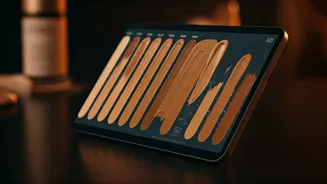
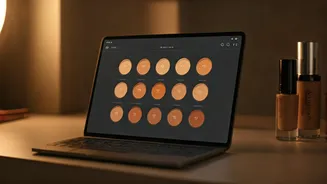
The solution to this age-old problem is arriving, not in a new bottle, but through your smartphone screen. Artificial Intelligence (AI) and Augmented Reality (AR) are poised to eliminate the guesswork entirely. Think of it as having a personal makeup artist on call, one with access to a massive database of skin tones and products. AI algorithms analyze your skin, while AR technology lets you 'try on' the recommended shades in real-time, wherever you are. Brands like Maybelline, L'Oréal, and Estée Lauder are already integrating these tools into their websites and apps, signalling a major shift in how we shop for beauty.
How AI Gets Your Shade So Right
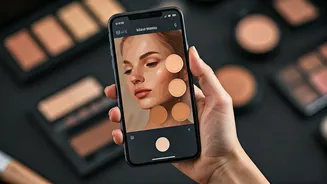
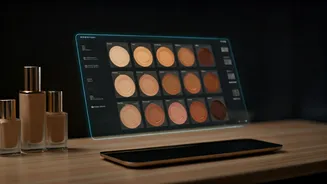
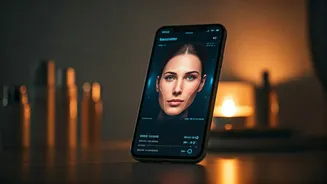
So how does it work? These AI-powered tools use your phone's camera to analyze your skin. By taking a selfie or a short video in good lighting, the technology scans your face to identify its unique characteristics. The sophisticated algorithms go beyond just 'light, medium, or dark'. They analyze thousands of pixels to determine not only your precise skin tone but also your undertone—the subtle cool, warm, or neutral hue beneath the surface, which is the key to a perfect match. The system then cross-references this data with its vast product database to recommend the best foundation shades for you. Some tools can even account for texture and skin concerns like blemishes.
Try Before You Buy, Virtually
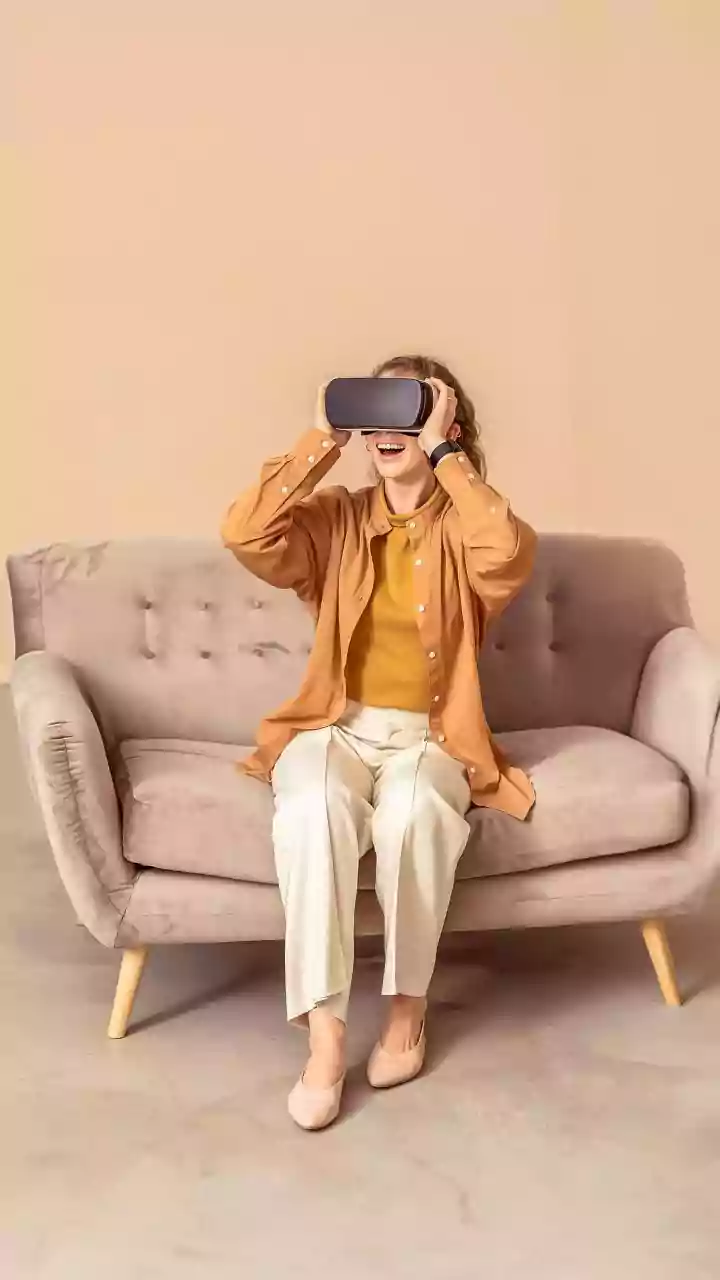
This is where Augmented Reality comes in. Once the AI has recommended a few shades, AR creates a virtual overlay on your face, allowing you to see exactly how the foundation would look when applied. You can turn your head and see the shade from different angles, all without applying a single drop of makeup. This virtual try-on experience dramatically increases purchase confidence and reduces the likelihood of choosing the wrong product. In India, platforms like Nykaa and brands such as Lovechild by Masaba are also leveraging tech, from AR try-ons to quiz-based finders, making these innovations increasingly accessible.
The Future Is Personal
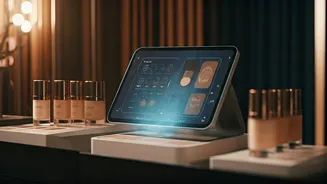
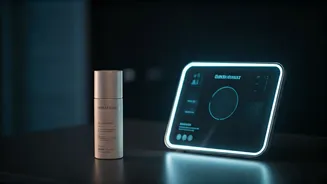
This technological revolution goes beyond just finding the right shade of an existing product. It marks the dawn of hyper-personalized beauty. The data gathered from these AI analyses can be used to create custom-formulated cosmetics tailored to an individual's specific needs. Imagine a foundation mixed just for you, accounting for your unique tone, skin type, and even concerns like dryness or oiliness. Companies are already exploring on-demand customization in stores and adaptive formulas that can adjust to environmental factors. This move towards bespoke beauty ensures products are not only a perfect match but also more effective, making beauty more inclusive and individual-centric than ever before.