




The Allure of the November Safari
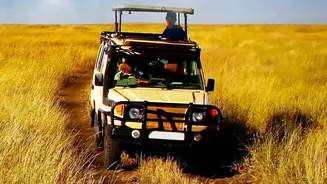
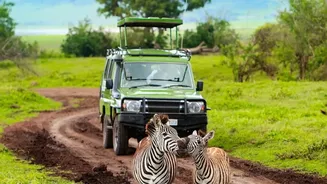
November is widely considered a sweet spot for wildlife safaris across India. The harsh monsoon has retreated, leaving the forests lush, green, and brimming with life. Temperatures are pleasant, creating comfortable conditions for the long hours spent
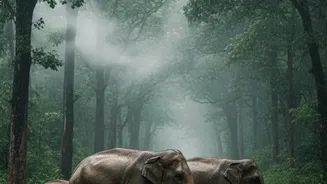
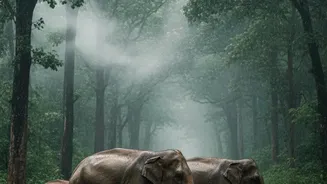
in an open-top vehicle. Parks from Ranthambore in Rajasthan to Kanha in Madhya Pradesh are in their prime, with animals active and the scenery at its peak. However, this post-monsoon freshness brings a signature challenge: the early morning fog. This ethereal mist, while breathtakingly beautiful, fundamentally alters the safari experience, demanding a higher level of skill from both guides and visitors.
How Fog Blinds the Senses
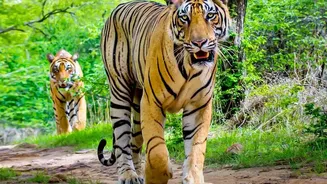
The most obvious challenge of fog is reduced visibility. The dense, low-hanging moisture can shrink the world to just a few dozen metres ahead of your vehicle, obscuring the vast grasslands and dense thickets where animals roam. A tiger could be resting just off the track and remain completely invisible. But the impact goes beyond sight. Fog dampens sound, making it harder to hear the subtle rustle of leaves or the soft padding of paws on the forest floor. It also blankets the ground, sometimes obscuring fresh pugmarks, which are a primary tool for tracking predators like tigers and leopards. This combination of visual and auditory obstruction means that the usual methods of spotting wildlife are simply not enough.
The Art of Listening for Alarms
When sight fails, hearing becomes the most critical sense. Experienced naturalists and guides shift their focus from looking for the predator to listening for its prey. The jungle has its own intricate alarm system. The sharp, barking call of a sambar deer, the frantic chatter of a langur monkey from the treetops, or the sudden, piercing cry of a peacock are all tell-tale signs that a predator is on the move. In the dense fog, these alarm calls are often the first and only indication of a tiger or leopard's presence. A skilled guide can interpret the direction, intensity, and type of call to build a mental map of where the predator might be, turning the jeep to follow the sound long before anything is visible.
Reading the Subtle Signs on the Ground
While fog can hide tracks, the moisture it leaves behind can also be an advantage. The damp soil preserves pugmarks beautifully, making them easier to read for those who know what to look for. A guide isn't just looking for a print; they are analysing it. Are the edges sharp, indicating it was made just moments ago? Is there water seeped inside, suggesting it is older? They look for other signs, too: fresh scrape marks on trees where a tiger has marked its territory, or droplets of water flicked onto leaves from a passing animal. These minute details, almost invisible to the untrained eye, become crucial clues in the misty morning, helping to piece together the puzzle of an animal's recent movements.
Patience and a Shift in Perspective
For the safari-goer, the foggy morning requires a mental adjustment. The thrill is not in the high-speed chase but in the slow, methodical process of tracking. It's about trusting your guide implicitly as they pause for long minutes, engine off, just listening. It’s about using your own senses, staying quiet, and scanning the treeline not for a whole animal, but for the flick of an ear or the twitch of a tail. Dressing in warm layers is crucial, as the chill in an open vehicle can be intense before the sun burns through the mist. Binoculars become more important than ever, allowing you to scrutinize the hazy shapes that might just resolve into a deer, a wild boar, or, if you are very lucky, the predator you came to see.