

The Ancient Art of Fermentation
Long before kombucha became a global trend, kitchens across India were mastering the art of fermentation. This age-old process is a natural transformation where microorganisms like beneficial bacteria and yeasts break down the starches and sugars in food.
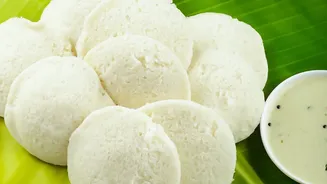
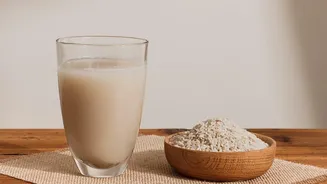
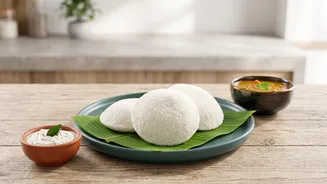
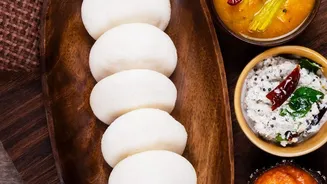
In the case of idli, a batter of soaked rice and urad dal (black lentils) is left to sit, allowing wild yeasts and bacteria to get to work. This process not only preserves the food but also fundamentally changes its nutritional profile, turning simple ingredients into a powerhouse of health benefits. It’s a form of 'pre-digestion,' where microbes do some of the digestive work for you before the food even reaches your stomach.
Your Gut's Best Friends: Probiotics and Prebiotics
The primary benefit of fermentation lies in its impact on our gut microbiome—the trillions of microorganisms living in our digestive tract. Fermented foods can be rich in probiotics, which are live, beneficial bacteria that help maintain a healthy balance in your gut. While the steaming process of idli at 100°C inactivates these live bacteria, the benefits don't disappear. Cooked idli serves as an excellent prebiotic food. This means it contains fibres and resistant starches that act as food for the good bacteria already living in your colon, helping them thrive. The fermentation process also leaves behind valuable byproducts called postbiotics, such as lactic acid, which further support a healthy gut environment.
Why Idli is a Gut-Friendly Superfood
Idli is uniquely suited to promote digestive wellness. The fermentation of the rice and dal batter breaks down complex carbohydrates, making it incredibly easy to digest and reducing the chances of bloating or sluggishness. Furthermore, this process neutralises 'antinutrients' like phytic acid, which are naturally present in grains and legumes. Phytic acid can block the absorption of essential minerals. By breaking it down, fermentation unlocks and increases the bioavailability of nutrients like iron, zinc, and calcium, meaning your body can absorb them more effectively.
The Effortless Morning Energy Connection
So, how does a happy gut lead to an energetic morning? The connection is surprisingly direct. A healthy gut microbiome is more efficient at extracting and absorbing nutrients from your food. The fermentation process in idli batter significantly increases the levels of B-complex vitamins, including B1 (thiamine) and B2 (riboflavin), which are crucial for converting food into energy. When your body effectively absorbs these vitamins and other minerals from your breakfast, it supports your metabolic processes, leading to sustained energy. Unlike a sugary breakfast that provides a quick rush followed by a crash, the balanced carbohydrates and protein in idli offer a steady release of glucose, keeping you focused and energized without the slump.
Expanding Your Fermented Food Palate
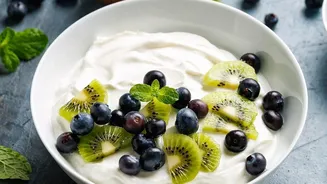
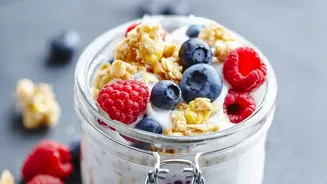
While idli is a fantastic example, it is just one of many gut-friendly fermented foods in Indian cuisine. Dosa, made from a similar fermented batter, offers many of the same benefits. Dhokla, the spongy, savoury snack from Gujarat made with fermented gram flour, is another light and digestible option. And of course, dahi (yogurt) is a staple probiotic powerhouse in households across the country. Incorporating a variety of these traditional foods into your diet is a simple and delicious strategy to support both your digestive health and overall vitality.