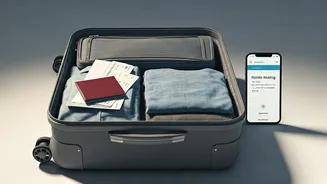









The Golden Rule of Europe Trip Planning
The most common and financially painful mistake Indian travellers make when planning a trip to Europe is booking non-refundable flights and hotels before their Schengen visa is approved. Embassies and consulates themselves advise against making irreversible
financial commitments. A visa rejection could mean losing thousands of rupees. The correct sequence is to secure your visa first. This doesn't mean you don't need an itinerary; it means you need proof of one. The key is understanding the difference between a 'reservation' and a 'paid booking'. For a visa application, a reservation is all you need, and you can get one without risking your travel budget.
Decoding the Schengen Visa for Indians
The Schengen visa is a short-stay visa that allows Indian passport holders to travel throughout the 29 countries in the Schengen Area for up to 90 days within a 180-day period. This single visa eliminates the need for separate applications for each country, making a multi-country European tour seamless. You must apply at the embassy or consulate of the country that is your main destination (where you will spend the most nights) or your first point of entry if you're spending an equal number of days in multiple countries. In India, these applications are typically processed through centres like VFS Global.
Proof of Travel Without the Price Tag
This is the heart of the 'visa-first' strategy. Consulates require a flight itinerary and proof of accommodation, but they do not demand a fully paid, non-refundable ticket or hotel stay. For flights, you can use online services that provide a verifiable flight reservation with a genuine PNR code for a small fee. These reservations are typically held for a limited time, long enough for the visa processing. Alternatively, some airlines and travel agents can hold a reservation for you. This provides the embassy with the necessary proof of your travel plans without the financial risk on your end.
Smart Hotel Reservations for Your Application
Similarly, for accommodation, you need to show you have a place to stay for every night of your trip. The smartest way to do this is by using hotel booking websites that offer 'free cancellation' and 'pay at the property' options. You can make a legitimate booking, print the confirmation email to include in your visa application, and then cancel it without charge if your plans change or your visa is denied. The confirmation must clearly show your name, the hotel's details, and the dates of your stay, which must match your flight itinerary. Some hotels may even offer special 'visa bookings' if you contact them directly.
Assembling a Rejection-Proof Application
Beyond travel reservations, a strong application is built on consistency and completeness. The most common reasons for rejection among Indian applicants are preventable documentation errors. Ensure you have mandatory travel insurance with a minimum coverage of €30,000 valid across the entire Schengen area. Your financial documents, like bank statements for the last 3-6 months, must show a stable and sufficient balance to cover your trip, not a sudden large deposit right before applying. A clear cover letter explaining your travel purpose and strong ties to India (like employment and family) is also crucial to convince the visa officer of your intent to return.
The Application Process in Simple Steps
Once your documents are ready, the process is straightforward. First, determine the correct country's visa to apply for. Then, book an appointment at the designated visa application centre, like VFS Global. You'll need to fill out the online application form for that specific country. On your appointment day, you will submit all your documents, provide biometric data (fingerprints and a photo), and pay the visa and service fees. After submission, you can track your application's status online while you wait for the consulate's decision. It's recommended to apply at least 30-45 days before your trip.