



The New Commercial Space Age
India's space story is entering a new, commercially driven chapter. The government's decision in 2020 to open the sector to private enterprise, followed by the Indian Space Policy in 2023, has transformed the landscape. Regulatory bodies like the Indian National
Space Promotion and Authorisation Centre (IN-SPACe) now act as a single window for private companies, enabling them to build, launch, and operate space assets. This shift has unleashed a torrent of innovation, with over 400 space-tech startups now registered in the country. These companies are attracting significant investment and building everything from rockets to satellite constellations, creating an ecosystem that is projected to grow from around $8 billion today to $44 billion by 2033. This rapid expansion means the industry needs talent, and not just from traditional aerospace backgrounds.
Satellite Data: The Digital Goldmine From Orbit
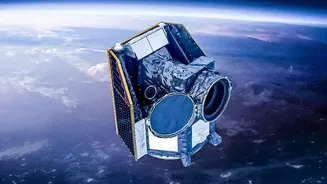
One of the most explosive growth areas is the downstream application of satellite data. Companies like Pixxel, which is building a constellation for high-resolution hyperspectral imaging, and SatSure, which provides satellite-based 'decision intelligence', are turning orbital data into valuable insights for a range of industries. This data is being used to monitor crop health, manage climate risk, plan urban infrastructure, and even underwrite insurance policies. The career opportunities here are vast and varied. There is high demand for data scientists and geospatial analysts who can work with GIS skills and remote sensing outputs. Software developers are needed to build the AI-powered platforms that process this information, and domain experts in fields like agriculture and finance are required to translate data into actionable business strategies. This field represents the convergence of space technology and big data analytics, creating roles that didn't exist a decade ago.
Launch Systems: Building India’s Ride to Space
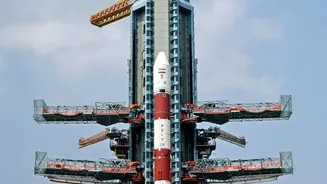
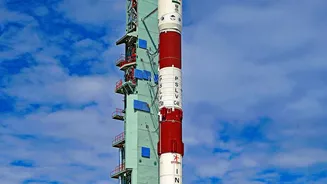
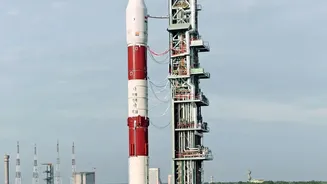
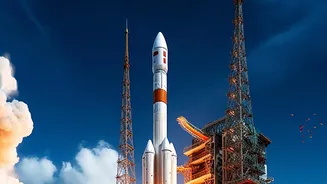
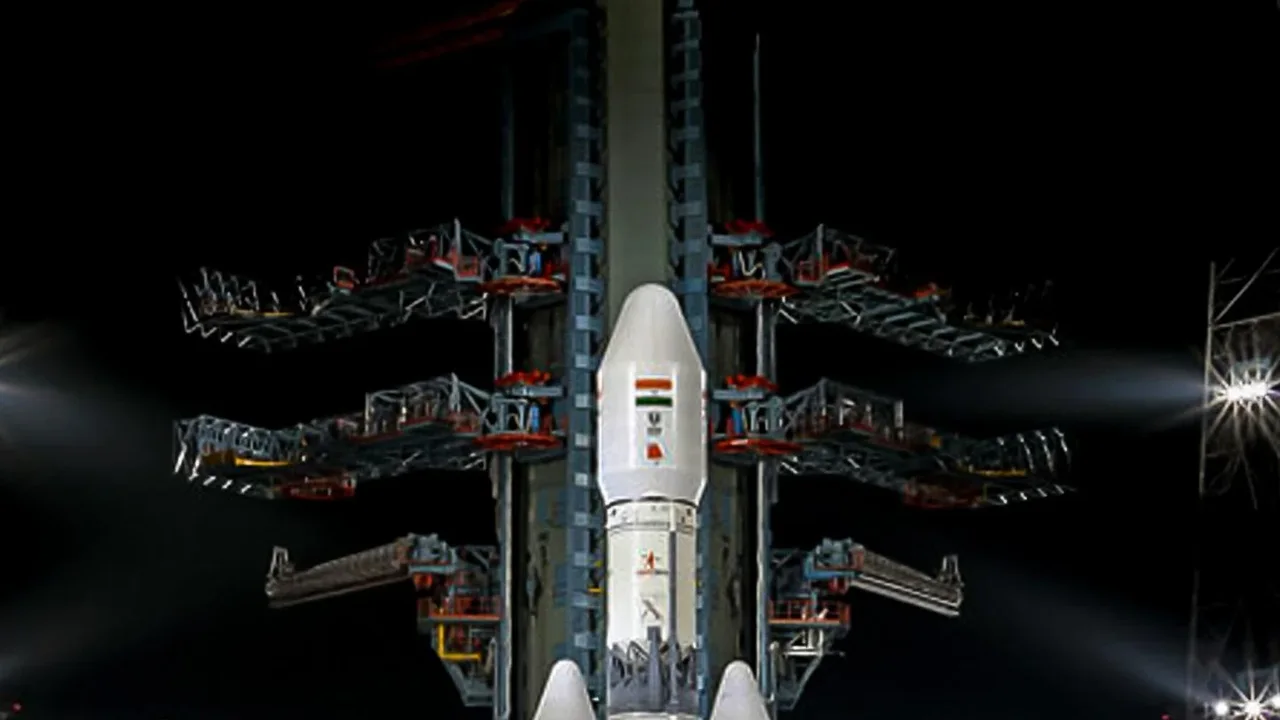
Getting to space is the first challenge, and a new breed of Indian startups is tackling it head-on. Companies like Skyroot Aerospace and Agnikul Cosmos are developing their own launch vehicles, aiming to provide cost-effective and on-demand access to orbit for small satellites. Skyroot became the first private Indian company to successfully launch a rocket, Vikram-S, while Agnikul has pioneered the world's first single-piece, 3D-printed rocket engine. This 'upstream' segment of the industry is a hotbed for core engineering talent. It requires aerospace, mechanical, and propulsion engineers to design and build the rockets. Materials scientists are crucial for developing the advanced composites and alloys needed for spaceflight, while avionics and software engineers develop the critical guidance, navigation, and control systems. As these companies scale up manufacturing, there is also a growing need for specialists in industrial automation and precision engineering.
Space Services: The Supporting Universe
Beyond building and launching rockets and satellites lies the vast domain of space services. This includes everything from satellite-based communications and internet services to ground station operations and space situational awareness—tracking objects in orbit to avoid collisions. Companies like Dhruva Space offer end-to-end solutions, providing satellite platforms, launch services, and ground support as a complete package. Digantara is focusing on monitoring space traffic, a critical service for a congested orbital environment. This sector demands a wide array of skills. Electronics and communications engineers are needed to manage data transmission, while cybersecurity experts are essential to protect space assets from threats. As the commercial space economy matures, non-technical roles are also becoming vital. Business development managers, space policy experts, and legal professionals with knowledge of international space law are increasingly in demand to navigate this complex new frontier.