




What is the Gaganyaan Mission?
Gaganyaan, which means "sky vehicle" in Sanskrit, is India's first human spaceflight programme. [11] The primary objective is to launch a crew of two to three astronauts into a 400-kilometre orbit around the Earth for a mission lasting up to three days.
[3, 11] The crew will then return safely, splashing down in Indian waters. [3] This historic endeavour will make India only the fourth country in the world—after the United States, Russia, and China—to have an independent capability to send humans into space. [5] The programme involves a series of uncrewed test flights to ensure every system is safe and reliable before the final crewed launch. [2, 16] The first crewed flight is currently targeted for 2027. [2, 16]
Meet India's First Astronauts in Four Decades
For the first time since Rakesh Sharma's flight in 1984, Indian citizens are preparing to journey into space. [9] Prime Minister Narendra Modi introduced the four astronaut-designates to the nation: Group Captains Prasanth Balakrishnan Nair, Ajit Krishnan, Angad Pratap, and Wing Commander Shubhanshu Shukla. [3, 12, 15] All four are highly accomplished pilots from the Indian Air Force, selected after a rigorous process. [9, 12] They have undergone extensive training, including in Russia, to prepare for the challenges of spaceflight. [9, 14] While all four are trained, the final crew for the first mission will be selected from this group. [3] In a significant preparatory step, Wing Commander Shubhanshu Shukla flew to the International Space Station (ISS) in June 2025 as part of a private mission to gain firsthand experience in microgravity. [14, 22]
The Technology Behind the Mission
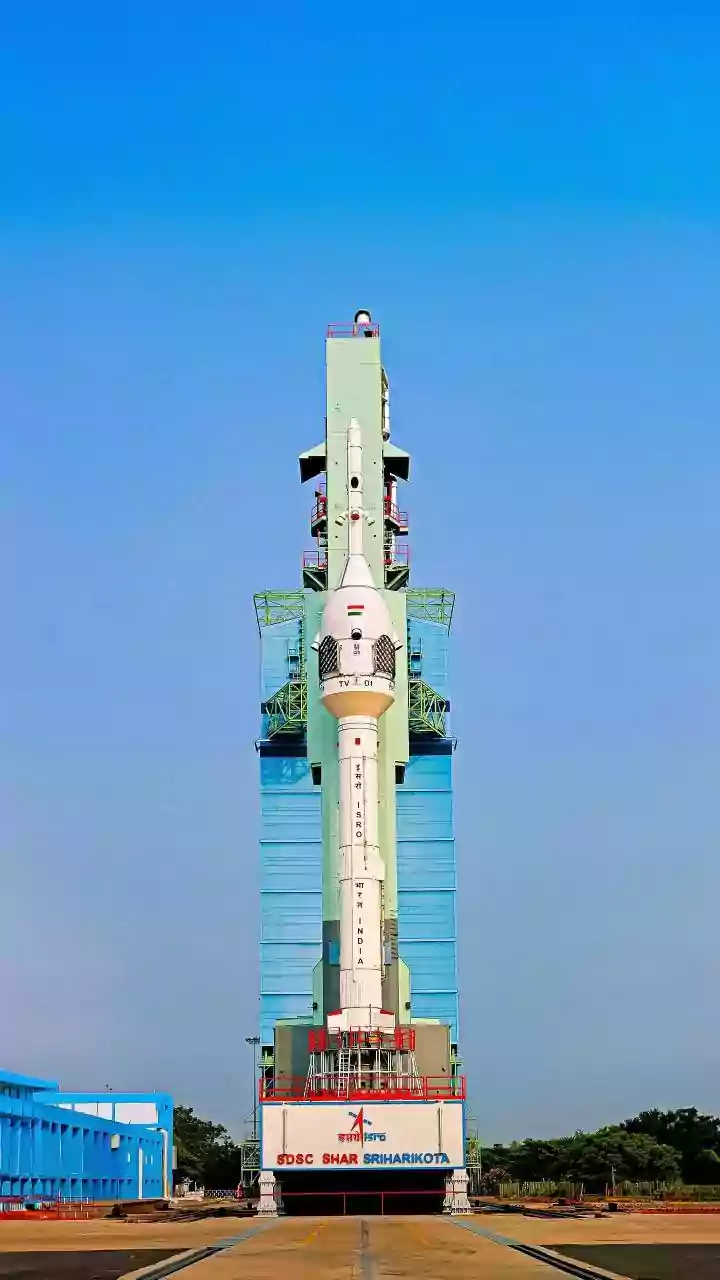
Sending humans to space is a monumental technological challenge that ISRO is tackling with a host of new, indigenously developed systems. The mission will use the human-rated LVM3 rocket, a modified version of ISRO's heaviest and most reliable launch vehicle. [5] A critical component is the Crew Escape System, designed to pull the crew module away to safety in case of a launch emergency. [5, 19] The astronauts will travel in an 8.2-tonne orbital module, which consists of the Crew Module and a Service Module. [19] To ensure the systems are flawless, ISRO has been conducting a series of exhaustive tests. This includes multiple Integrated Air Drop Tests to validate the parachute system that will slow the capsule for a safe splashdown. [4, 7, 10] The G1 uncrewed mission, scheduled for the second half of 2026, will carry a humanoid robot named Vyommitra to simulate human functions and test life support systems. [2, 17]
Why Gaganyaan is More Than Just a Flight
The Gaganyaan mission is a powerful symbol of a rising, self-reliant India ('Aatmanirbhar Bharat'). [14] Its significance extends far beyond the scientific achievement of human spaceflight. The program is expected to create around 15,000 jobs and stimulate growth in the private sector, with nearly 60% of the mission's components being sourced from Indian industries. [6, 13] It will also inspire a generation of students and researchers to pursue careers in science and technology. [6] On a global stage, a successful Gaganyaan mission will enhance India's prestige and strategic autonomy, solidifying its position as a major space power. [6, 11] Furthermore, the mission is a crucial stepping stone for India's future space ambitions, which include establishing the 'Bharatiya Antariksh Station' (Indian Space Station) by 2035 and landing an Indian on the Moon by 2040. [8, 20]