






From Side Dish to Main Attraction
Kerala's culinary identity, shaped by centuries of the spice trade and diverse cultural influences, has always been remarkable. However, for most tourists, it was something enjoyed between sightseeing. Today, that has fundamentally changed. Travellers
are now designing entire trips around food, seeking authentic, hands-on experiences. This evolution is driven by a global desire for authenticity and the understanding that to truly know a place, you must taste it. Tour operators and local entrepreneurs have responded, creating a vibrant ecosystem of culinary tourism that goes far beyond restaurant dining.
The Homestay Cooking Revolution
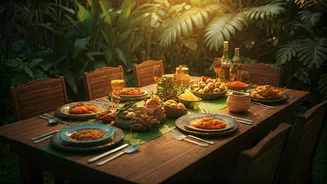
At the heart of this transformation are Kerala's homestays. Local families are opening their kitchens to visitors, offering more than just a meal, but a lesson in culture and connection. In places like Fort Kochi, you can join a class in a family home and learn to prepare a traditional Syrian Christian meal or master the art of the perfect fish molee. These intimate, hands-on sessions, often led by home cooks with generations of knowledge, allow travellers to learn the secrets behind the region's complex spice blends and cooking techniques. You don't just eat; you learn, cook, and share a meal, creating a powerful and lasting memory.
A Journey Through Spice and Soil
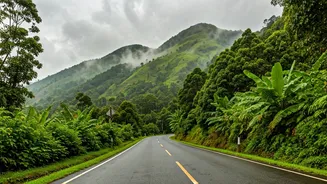
No culinary tour of Kerala is complete without a journey to its aromatic spice plantations, the historical source of its wealth and flavour. In regions like Thekkady, Munnar, and Wayanad, you can walk through lush gardens thick with the scent of cardamom, pepper, cinnamon, and cloves. Guided tours explain the entire process from cultivation to harvest. This 'farm-to-table' concept is expanding, with some farms offering everything from picking your own vegetables for a cooking class to staying overnight in a guesthouse surrounded by the plantations. This movement connects visitors directly to the land and the source of the flavours that define Kerala's cuisine, offering a deeper appreciation for every bite.
Tasting the Diversity of the Land
Kerala's cuisine is not monolithic; it varies dramatically from the rich, layered biryanis of the northern Malabar coast to the coconut-based stews of the south. Culinary tourism now celebrates this diversity. Specialised food trails guide visitors through these regional variations. You can join a tour focused on Mappila (Kerala Muslim) cooking, explore the coastal seafood delicacies, or experience the grandeur of a traditional vegetarian sadhya—a feast of dozens of dishes served on a banana leaf. These experiences are about storytelling, explaining how geography, history, and community have all seasoned the pot.