









The Great Monsoon Myth
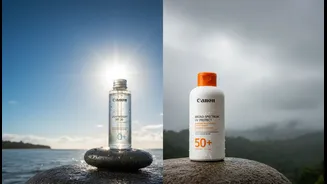
A widespread belief during the monsoon is that the thick cloud cover provides a natural shield against the sun, making sunscreen unnecessary. It’s a logical assumption: less sun means less damage, right? Unfortunately, this is a dangerous myth. While
clouds do reduce the intensity of sunlight and heat, they don't block the most harmful ultraviolet (UV) rays. In fact, dermatologists emphasise that sunscreen should be a 365-day habit, regardless of the weather or season. The visible light that is blocked by clouds is not the same as the invisible UV radiation that causes long-term skin damage.
Understanding the Invisible Threat
The sun emits two main types of UV rays that reach our skin: UVB and UVA. An easy way to remember them is that UVB causes 'Burning' and UVA causes 'Ageing'. UVB rays, which are the primary cause of sunburn, are partially blocked by clouds. This is why you are less likely to get a visible burn on a cloudy day. However, UVA rays have a longer wavelength that allows them to penetrate clouds, and even glass, with ease. According to the Skin Cancer Foundation, up to 80% of the sun's UV rays can pass through cloud cover. These UVA rays penetrate deep into the skin, contributing to premature ageing, fine lines, wrinkles, and increasing the risk of skin cancer.
Choosing Your Monsoon-Ready Shield
The extreme humidity of the Indian monsoon presents a unique challenge: how to wear sunscreen without feeling like a sticky mess. The key is choosing the right formula. Dermatologists recommend lightweight, non-greasy textures. Look for gel-based, fluid, or matte-finish sunscreens that absorb quickly. Opt for a 'broad-spectrum' product with an SPF of 30 or higher, which protects against both UVA and UVB rays. Given the rain and sweat, a 'water-resistant' formula is a must. These are designed to maintain their SPF rating for a specified time (usually 40 or 80 minutes) in damp conditions, but remember that no sunscreen is fully waterproof.
A Commuter's Survival Guide
For those navigating crowded trains and buses, the idea of reapplying sticky lotion is a non-starter. This is where modern formulations come to the rescue. Start by applying a generous layer of lotion or gel sunscreen about 15-20 minutes before you leave home. For reapplication on the go, consider mess-free options. Sunscreen sticks are excellent for targeted touch-ups on the face, neck, and ears without needing to use your hands. After a sweaty commute, it's best to blot your face with a tissue to remove excess oil and grime before reapplying. Keeping a small, travel-sized tube of your favourite lightweight sunscreen in your bag is another practical solution.
Application Is Everything
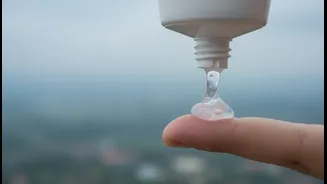
Even the best sunscreen is only effective if applied correctly. The most common mistake is not using enough. A good rule of thumb for the face and neck is the 'two-finger' method: squeeze out sunscreen along the length of your index and middle fingers, and apply that amount. Reapplication is just as crucial. The general rule is to reapply every two hours when outdoors. If you're commuting, a midday top-up before heading out for lunch or before the journey home is a smart habit to build. High humidity can cause sunscreen to wear off more quickly, so staying diligent is key to effective protection.